Festival Film Dokumenter 2026
Venues
Cemeti - Institute for Art and Society
Kedai Kebun Forum
Langgeng Art Foundation
Pascasarjana ISI Yogyakarta
Festival trailer
20—27 November 2026
Join us in commemorating 25 years of Festival Film Dokumenter! Listen to the voices of resistance from across the globe through 94 thought-provoking and eye-opening films. All programs are admission-free and open to the public. Attend, witness, and advocate!
Program
- International Feature-Length Competition
- Indonesia Feature-Length Competition
- Short Competition
- Student Competition
- Perspektif
- Retrospektif: Curtis Levy
- Spektrum 1
- Spektrum 2
- Utopia/Dystopia
- Lanskap 1
- Lanskap 2
- Docs Docs: Short! 1
- Docs Docs: Short! 2
- Human; Frame by Frame
- Dear Memory
- DOC Music
Item 1
Program Note
Conflict in documentary films rarely appears as a front-and-center event. It is more often found in the surrounding context—in spaces, bodies, and memories that bear…
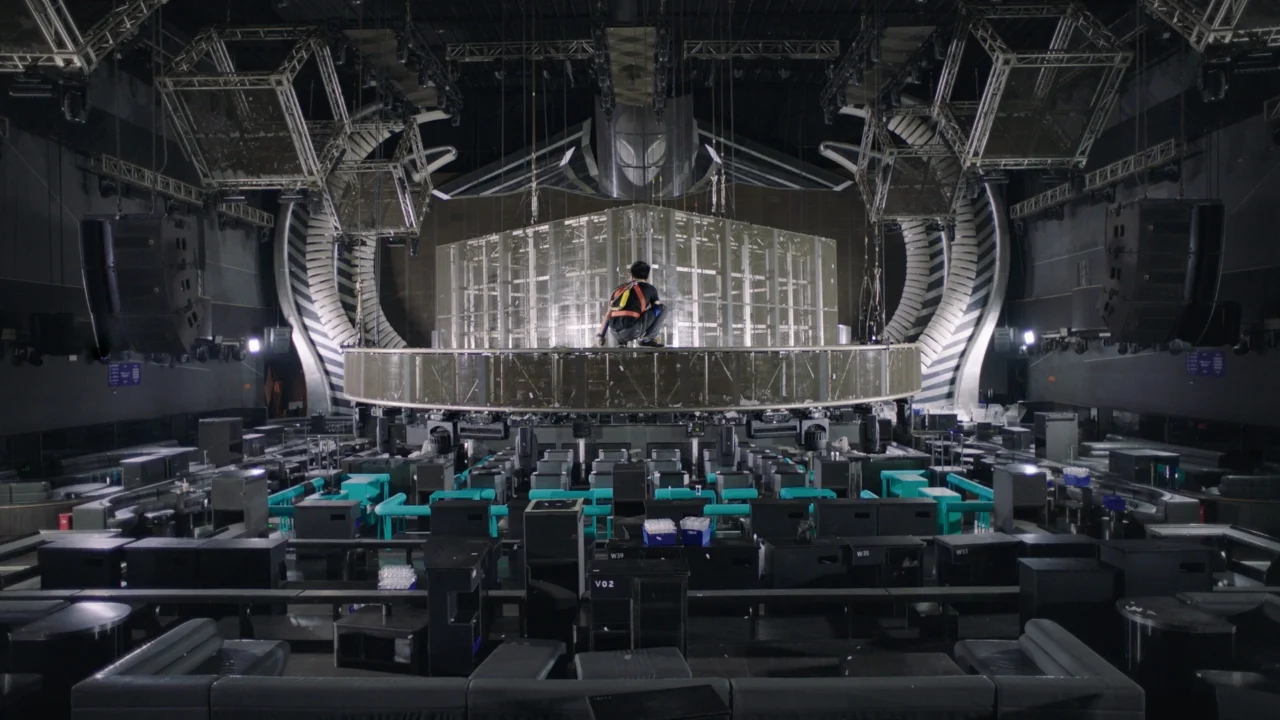
Conflict in documentary films rarely appears as a front-and-center event. It is more often found in the surrounding context—in spaces, bodies, and memories that bear its traces. The films in this competition are grounded in this observation—and when viewed collectively, they reflect a movement rather than merely a subject.
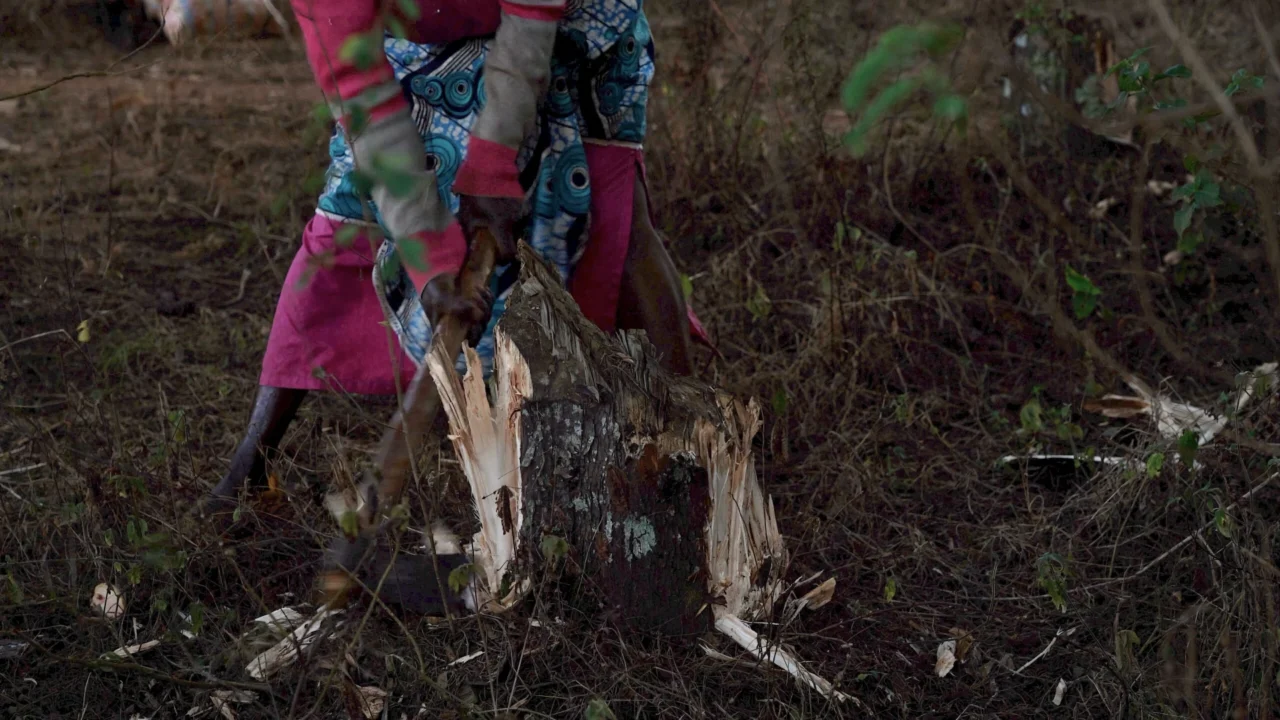
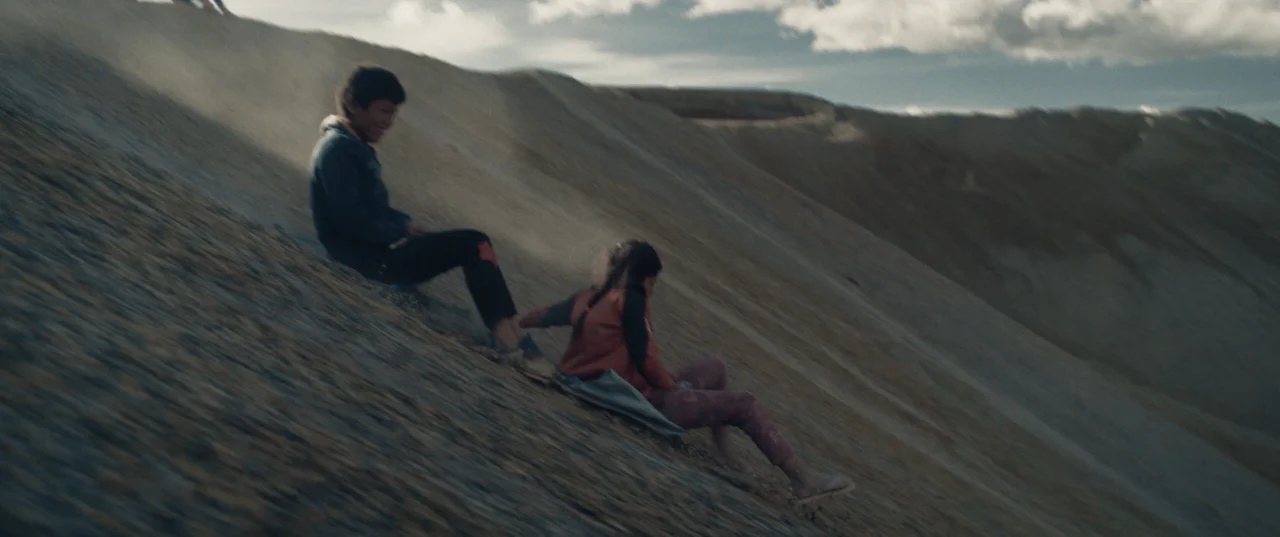
Most of the films begin with something intimate and confined—such as a plantation, a mine, a household, or an individual’s life—and then expand outward until that confined space is revealed as a crossroads of larger historical narratives. Colonialism, the Cold War, extractivism, and deforestation are not treated as separate issues, but as interconnected forces. All three emerge as layers of the same soil, accessed through a scale that constantly shifts from the macro to the micro, and then to the movement.
What makes this shift convincing is the way these films handle the process of inheritance. Knowledge and experience are passed down, often to a child, and with each handover, something shifts, so that absence becomes just as real as what is shown. History does not come as a lesson. History migrates through personal narratives, a family, a body, and these films seem less interested in their resemblance to facts than in the manner of their delivery: a process that repositioning who speaks, who inherits, and wherein.
A portrait of an individual’s life can thus coexist on the same timeline as the history of cinema and Cold War politics without any visible gaps, and family conflicts—common throughout Asia—can depict war on the most domestic scale.
In these films, form does most of the political work. The sound design immerses the audience before any argument is even presented. Scenes are rendered with a detail that feels threatening, while sentimental moments are allowed to unfold with unabashed drama. The editing shifts between registers so seamlessly that the transitions themselves become a way of thinking.
Poetic elements and intimacy offer an alternative path, one that keeps history within reach rather than pushing it away, and creates space for the audience not only to understand but also to feel. However, tenderness comes at a price. When a film rejects spectacle, it may also keep the audience at a certain distance, as in a film that offers an alternative narrative to the “Stone Age.”
Taken together, these films shift the question from the so-called conflict to the way that conflict is passed down: as a process, not merely an event; and as what remains, not what is seen.
Selection note is written by Dito Yuwono
Selection committee: Dito Yuwono, Alia Damaihati, Michael A. Chandra, Vanis
General Note on 2026 Competition
Documentaries do more than just preserve; they also open up possibilities for what has yet to be discovered. Some films seek to explore lingering issues or experiences that remain absent from our collective memory. Others venture into a future we cannot possibly imagine. Both stem from the same anxiety about the present. Through this interpretation, convergence depicts two times meeting, and culmination depicts what must be endured to end the postponement of neither dwelling on the past nor waiting for the future.
Selection Committee
Dito Yuwono
Dito Yuwono
Dito Yuwono’s practice traverses between artistic and curatorial practice. He addresses socio-political-historical issues through video, and photography. His work has been exhibited at the Herbert F. Johnson Museum of Art, ISCP New York, JIPFest 2022, Festival Film Dokumenter, and Cité Internationale des Arts, among others. He is part of LIR Curator Collective, and he is an alumni Independent Curators International Intensives. In 2024, he was appointed as one of the new directors of Cemeti – Institute for Art and Society.
Item 1
Program Note
What can we learn about the past and the lives of others through the lens of a camera? This question serves as the common thread…
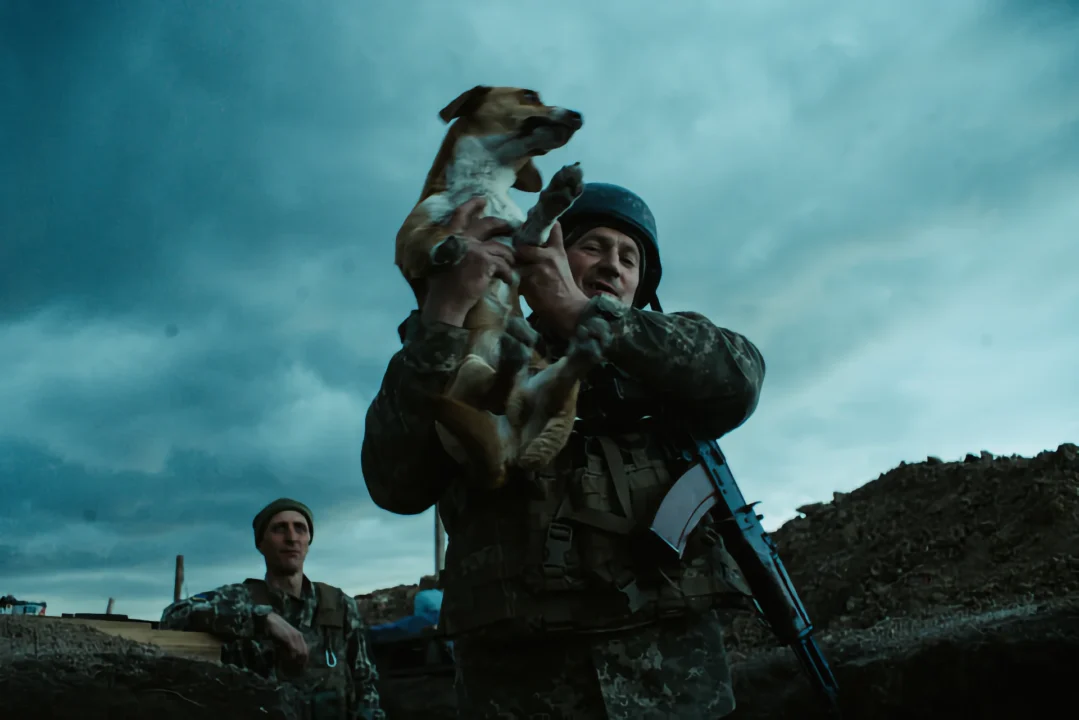
What can we learn about the past and the lives of others through the lens of a camera? This question serves as the common thread among the films in this year’s Indonesia Feature-Length Competition. While each film addresses a different concern, they all demonstrate that images always hold a significant role and importance in portraying reality.
Films that work with archival footage reveal that history does not simply emerge from recordings of the past. The selection, arrangement, and contextualization of images determine how an event is reinterpreted. The relationship between images and history also emerges in a film that explores the life of a gemblak following the events of 1965. While narratives about political violence often stop at the events and their immediate impacts, this story draws attention to the lives that continued afterward. History is present in human experience, even when that experience rarely finds a place in public memory.
Other films expand on this issue through their use of camerawork, sound, duration, and technology. The camera can alter the events being recorded, while certain stylistic choices place the audience in an experience that is sometimes uncomfortable.
From archival footage to firsthand observations, from political history to everyday life, this year’s Indonesia Feature-Length competition demonstrates that documentary filmmaking always involves decisions about what is recorded, how images are constructed, and whose voices are represented in the story—and that the reality captured on camera is never entirely separate from the way we perceive it.
Selection note is written by Eric Sasono
Selection committee: Eric Sasono, Alia Damaihati, Ratno Hermanto, Kurnia Yudha F.
General Note on 2026 Competition
Documentaries do more than just preserve; they also open up possibilities for what has yet to be discovered. Some films seek to explore lingering issues or experiences that remain absent from our collective memory. Others venture into a future we cannot possibly imagine. Both stem from the same anxiety about the present. Through this interpretation, convergence depicts two times meeting, and culmination depicts what must be endured to end the postponement of neither dwelling on the past nor waiting for the future.
Selection Committee
Eric Sasono
Eric Sasono
Eric Sasono is an Indonesian film researcher and critic who earned his Ph.D. in Film Studies from King’s College London and writes about documentary film culture in Indonesia. He is a co-founder of an online media outlet, Marginalia.id, which also organizes film screenings in the United Kingdom.
Item 1
Program Note
This year’s Short Competition is marked by a shared attention to the small and the everyday. In a media landscape that favors speed and large-scale…
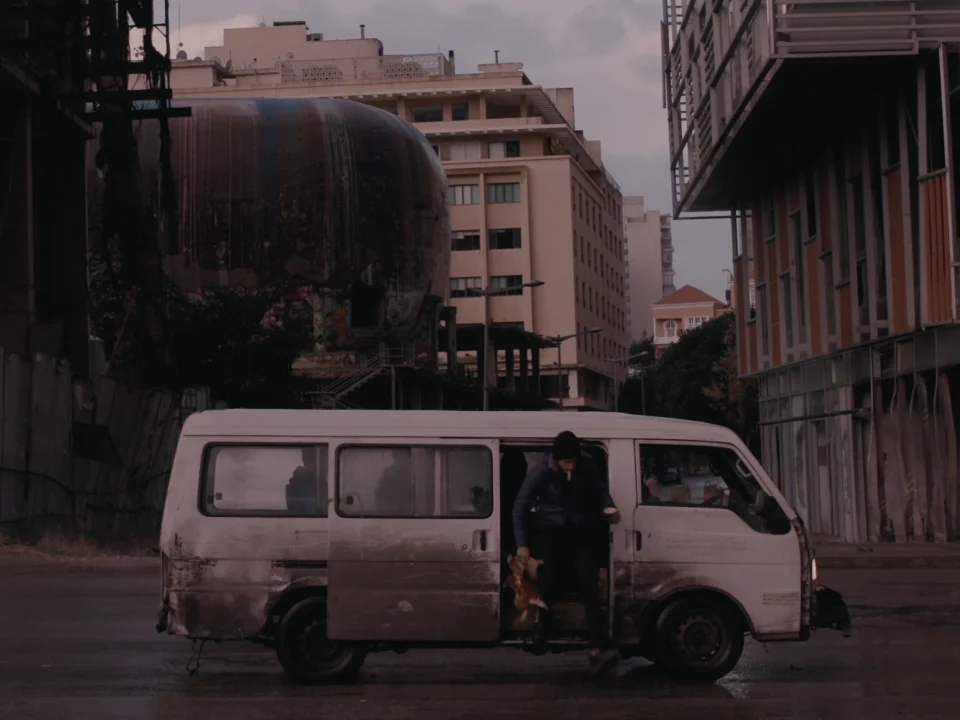
This year’s Short Competition is marked by a shared attention to the small and the everyday. In a media landscape that favors speed and large-scale narratives, the selected films look instead at forgotten corners, minor gestures, and the rhythms of urban life. They ask how an individual can stand in relation to the world around them on their own terms.
The short form suits this approach. Free from the obligation to survey a subject exhaustively, these films can stay close to one situation and observe it carefully. With such close attention, what seemed like an incidental encounter soon reveals the tensions of a particular space, collective memory, and social structures assembled around us.
For Festival Film Dokumenter, this tendency matters because the festival is not just a host for films based on major historical events or overt political conflict. It is also a place to test how non-fiction storytelling can work at the most minute scale, with limited resources that many of us have access to.
As urban routines grow more alienating, these films ask us to look more slowly. They suggest that what is worth documenting is often already close at hand; all it takes is care and attention to observe its phenomena.
Selection note is written by Sasha Han
Selection committee: Sasha Han, Alia Damaihati, Michael A. Chandra, Vanis
General Note on 2026 Competition
Documentaries do more than just preserve; they also open up possibilities for what has yet to be discovered. Some films seek to explore lingering issues or experiences that remain absent from our collective memory. Others venture into a future we cannot possibly imagine. Both stem from the same anxiety about the present. Through this interpretation, convergence depicts two times meeting, and culmination depicts what must be endured to end the postponement of neither dwelling on the past nor waiting for the future.
Selection Committee

Sasha Han
Sasha Han
Sasha Han is a film writer and programmer interested in the circulation of images in Southeast Asia and its potential for resistance. She has been part of critics labs in Locarno Film Festival, Far East Film Festival and the Singapore International Film Festival. Her writing has been published by the Asian Film Archive, Documentary Magazine, Film Comment, Literary Hub, MARG1N Magazine and Mekong Review. She has presented film programmes at Queer East Film Festival, London, and Festival Film Dokumenter, Indonesia. In 2025, she co-founded CORRESPONDENCE, a film publication based in Singapore.
Item 1
Program Note
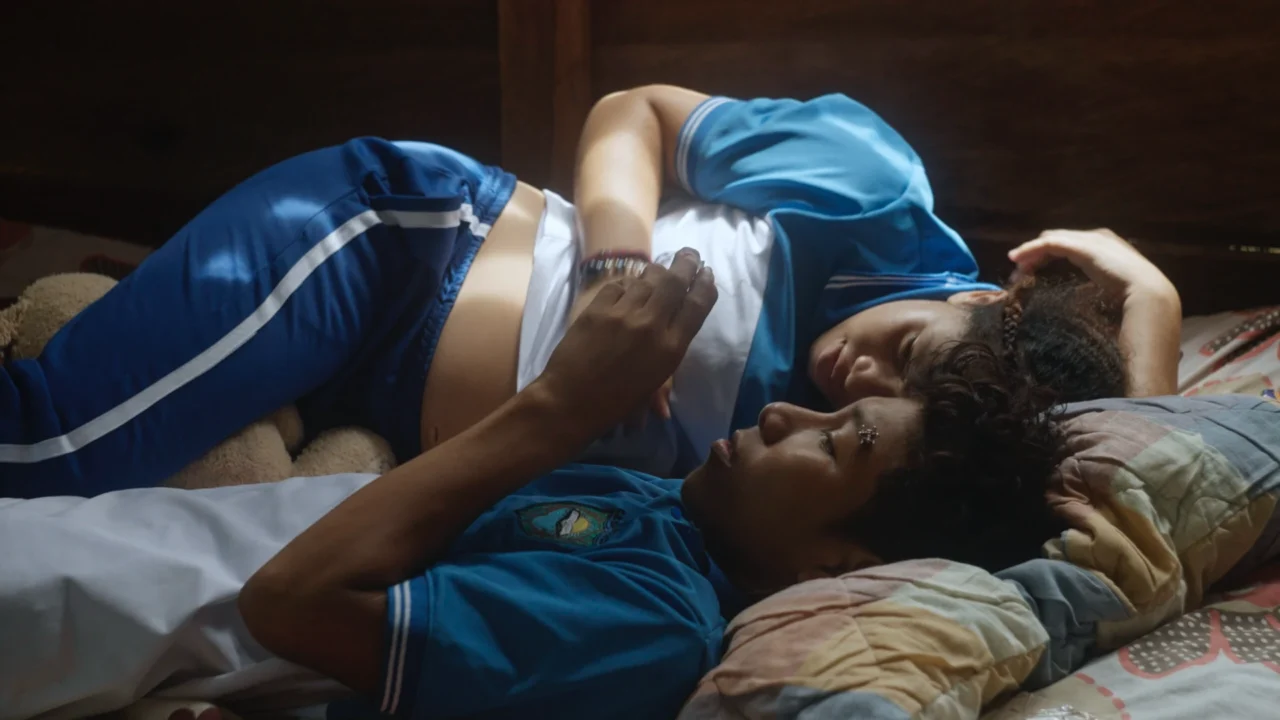
Emerging documentary practices reveal various ways of making reality-based films through cinematic means. There are various attempts to use cameras, celluloid, and even collaborative processes…
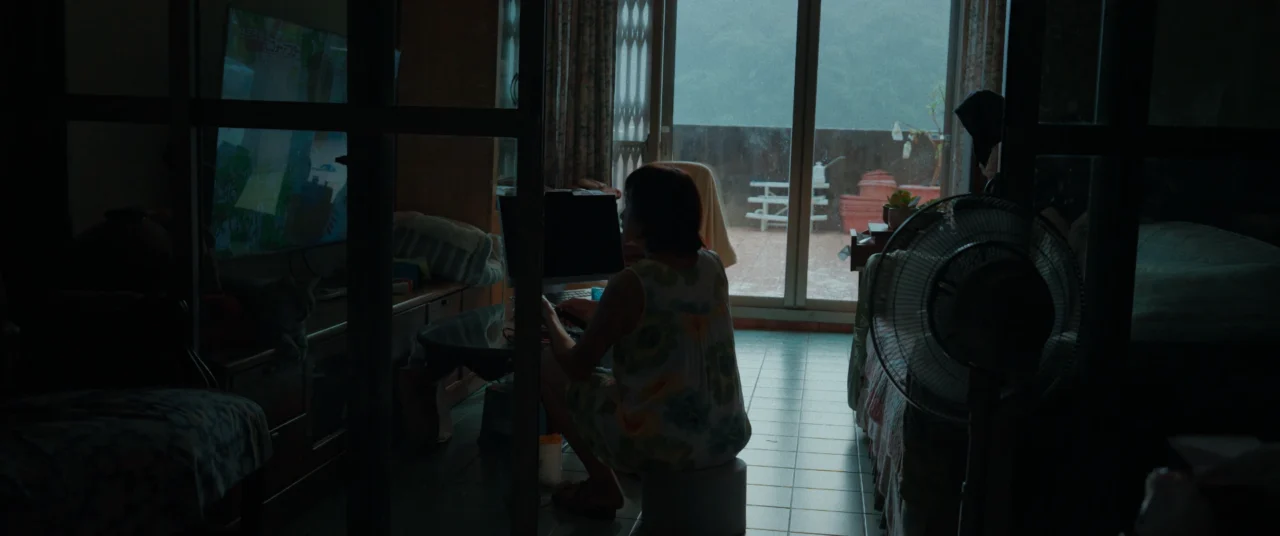
Emerging documentary practices reveal various ways of making reality-based films through cinematic means. There are various attempts to use cameras, celluloid, and even collaborative processes as ways to interpret reality. These choices of materials and methods reveal different possibilities for establishing a relationship with the subject. However, the use of diverse tools does not in and of itself indicate an awareness of form. What is important is how filmmakers understand the consequences of these choices on the films they produce.
Another thing we found was a tendency to draw from experiences closely tied to the filmmakers’ own lives. Memories, personal events, and everyday life serve as starting points for exploring broader concerns. This illustrates how a younger generation identifies their concerns through the environments in which they live. However, personal experience still requires an understanding of the surrounding context. Proximity to an issue does not always equate to depth in interpreting it.
It is fascinating to observe how emerging filmmakers establish connections between individual experiences and broader social conditions. How do they use the medium to address topics they may not yet fully grasp? How can a fragment of experience open up new perspectives on broader issues? These questions are crucial for understanding the development of the new generation of documentary filmmakers, while also examining the possibilities and limitations they still face in contemporary Indonesian cinema.
Selection note is written by Taufiqurrahman Kifu
Selection committee: Taufiqurrahman Kifu, Alia Damaihati, Ratno Hermanto, Kurnia Yudha F.
General Note on 2026 Competition
Documentaries do more than just preserve; they also open up possibilities for what has yet to be discovered. Some films seek to explore lingering issues or experiences that remain absent from our collective memory. Others venture into a future we cannot possibly imagine. Both stem from the same anxiety about the present. Through this interpretation, convergence depicts two times meeting, and culmination depicts what must be endured to end the postponement of neither dwelling on the past nor waiting for the future.
Selection Committee
Taufiqurrahman Kifu
Taufiqurrahman Kifu
Taufiqurrahman Kifu is an interdisciplinary artist who has also curated several art exhibitions. Currently, he serves as a selector and curator at ARKIPEL – Jakarta International Documentary and Experimental Film Festival, and the Artistic Director for Festival Film Tengah in Palu. His film, A Tale of the Crocodile’s Twin (2022), received a Jury’s Special Mention at the Kurzfilmtage Oberhausen in 2023. The film has also been screened at various other international festivals and presented at several academic forums and cinema conferences.
Item 1
Program Note
Via Dolorosa
From the dark tunnels of silver mines, walls covered in the desperate graffiti of internees, to the old buildings in Palermo, Italy, everyone in the…
Via Dolorosa
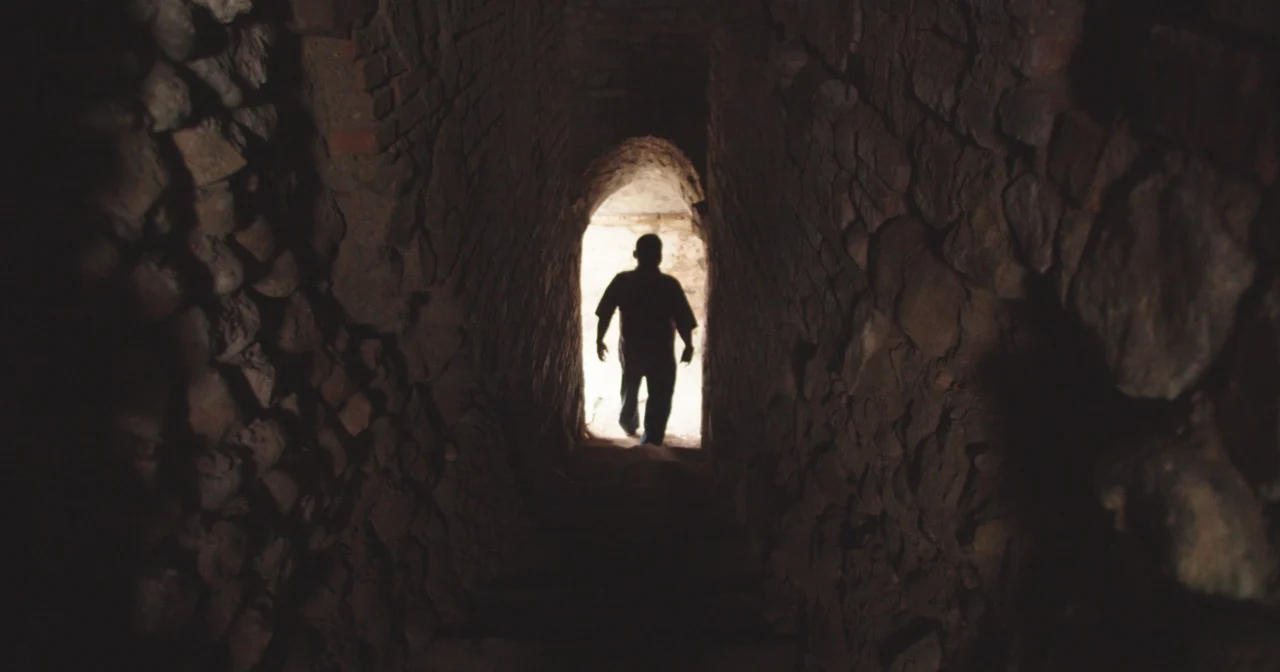
From the dark tunnels of silver mines, walls covered in the desperate graffiti of internees, to the old buildings in Palermo, Italy, everyone in the world is currently experiencing one thing in common: oppression. This oppression, in its various forms, may well stem from the culture of extreme capitalism that serves as the cornerstone of the global economy. The chaos, with its full spectrum of problems, can be captured and documented by a cinematic phenomenon known as documentary. More than just an aesthetic expression, documentaries cut to the core and take on an ideological edge—a record of our turbulent times. The courage to document such issues may stem from the fact that this film genre is within everyone’s reach. While it may be more “artistic” when produced by professionals, setting aside all such distinctions, at its core, documentaries are films of the people, by the people, and for the people.
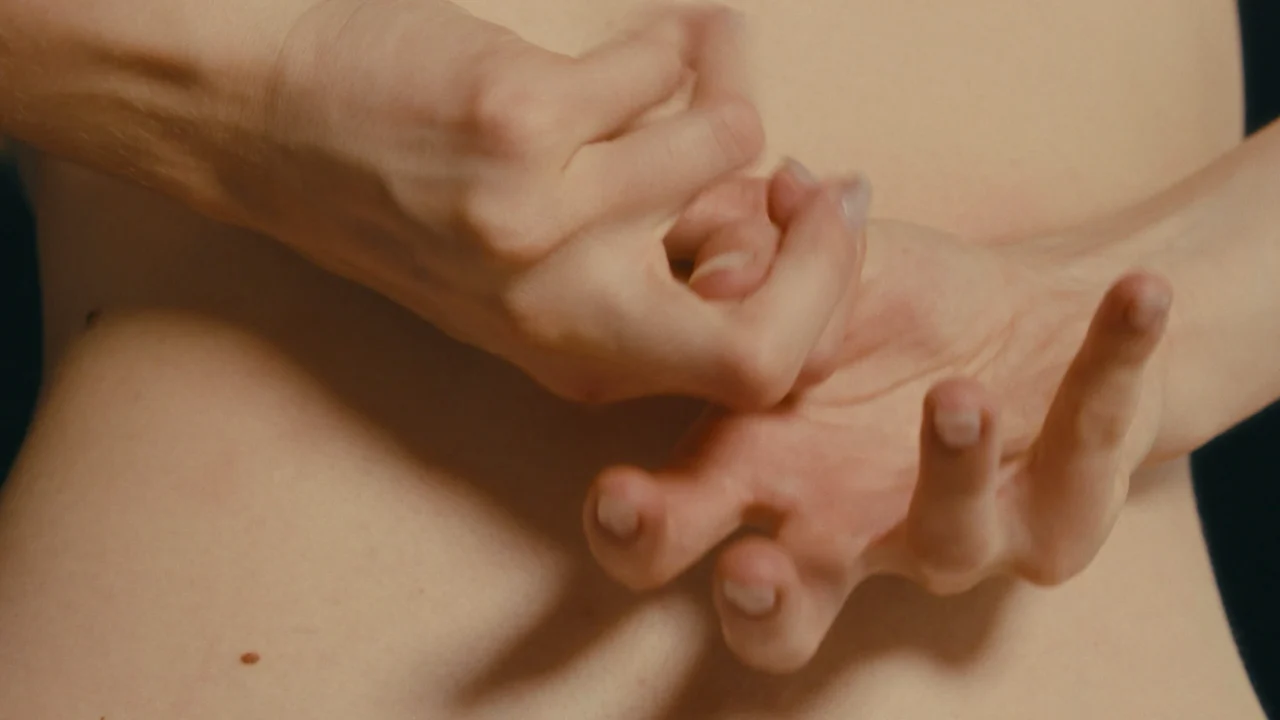
That austerity is evident in Second Skin (Mariia Lapidus, 2026), filmed entirely indoors with just two actors. It documents and reenacts sexual violence in Russia; it pulls the audience into the interrogation room alongside the victim; it shows the details and the sexual violence up close, as if we were the eyewitnesses or the perpetrators. Simplicity in documentaries bridges the gap to reality. Sexual violence isn’t presented with “sensational glamour” or laden with formal rhetoric, but is shown bluntly. Instantly. Brutally.
It seems that, amid the gloom of today’s world, amidst storms, earthquakes, and political turmoil, documentary films do not seek to offer “bread and wine”—as many commercial films do, for instance—but rather invite us to experience the pain firsthand. They do not flee, they confront us head-on. The courage to take a stand with all its consequences and aesthetic spectrum places documentary filmmakers like guerrillas in the vast jungle; militant yet nonsensical.
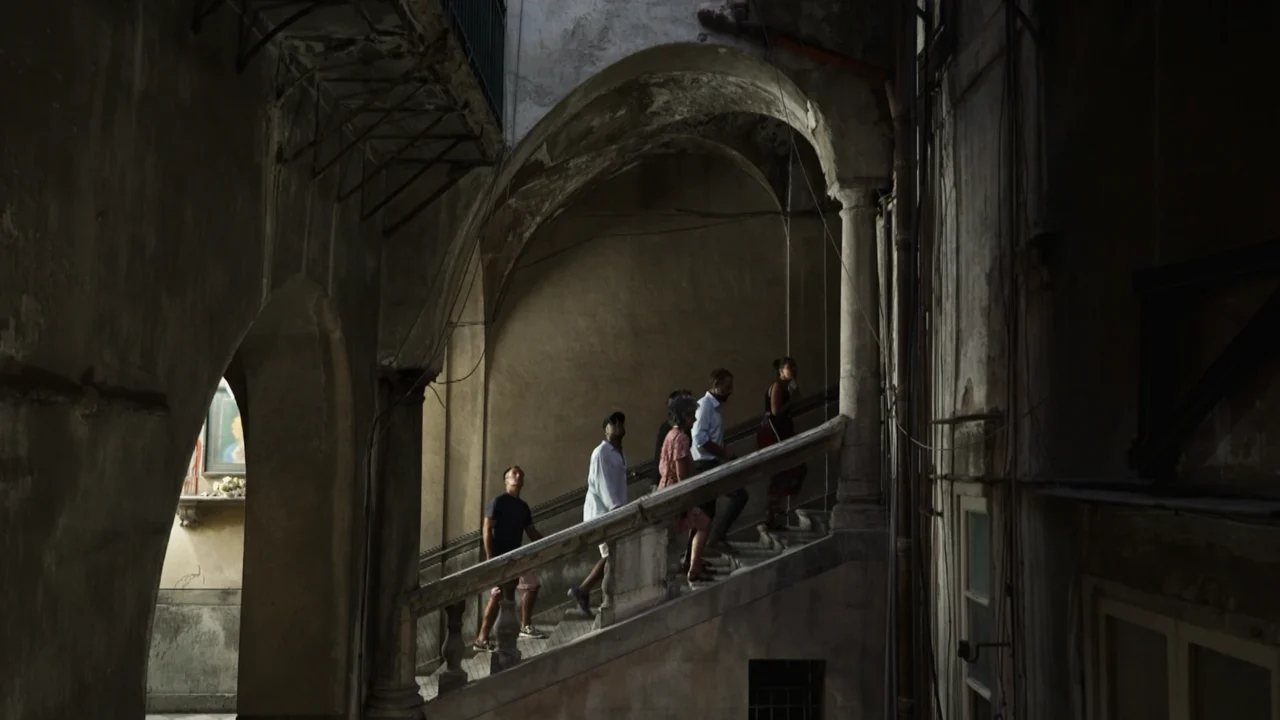
Even so, amid the bitter and dark observations made by the documentary filmmaker, there remains the poet’s gaze within the never-ending cultural guerrilla war. The building site (Tiziano Locci, Tito Puglielli; 2025) is the last poet of this guerrilla band. The film documents the loss, impoverishment, and marginalization of local residents caused by gentrification in modern cities driven by digital disruption. It does not merely show buildings being demolished, but goes further—delving into the details. The camera captures the corridors of dilapidated old building in Palermo and the clinking of room dividers, at first glance reminiscent of Caravaggio’s chiaroscuro paintings.
This visual approach, which celebrates and allows photographic details to construct their own narrative, is reminiscent of the poetic language of Federico García Lorca or Subagio Sastrowardoyo, where narratives of loss are shaped through reverie, drawing us into our own sense of loss. Thus, instead of mourning that loss in Palermo, the audience reflects on loss within their own context—the old buildings in Semarang’s historic district or houses in Banyuwangi or Sidoarjo. This reflection is the result or consequence of the details presented. It shifts the audience’s focus to the bigger picture, “plunging” them into a pilgrimage through personal and intimate images.
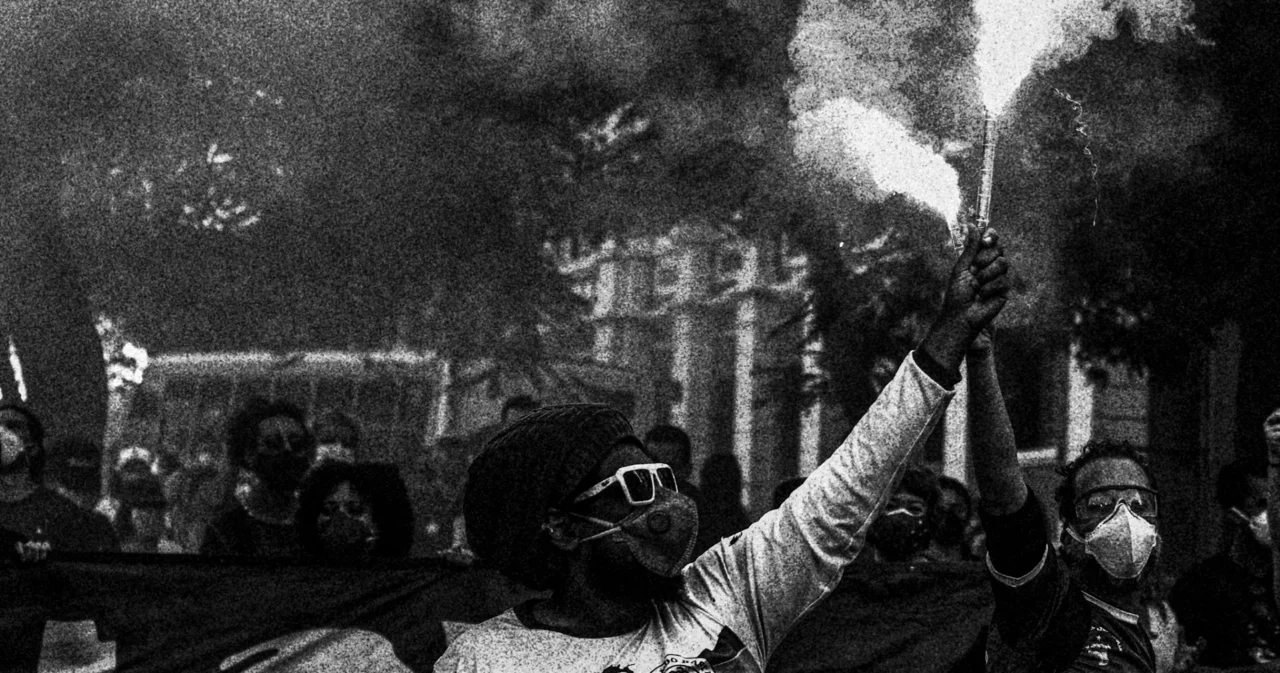
In addition, there are other films that offer local audiences a glimpse into Indonesia’s current situation: Smell of Diesel (Natasha Neri, Gizele Martins; 2025) and Collective Memory (Cristina Colmenares, 2025). The narratives are presented so intimately, almost without any distance. Indeed, these documentaries are infused with a spirit of activist zeal; through their courage—or perhaps their audacity—they document events and issues overlooked by mainstream media, ensuring that social phenomena remain in the public consciousness and continue to be relevant topics of discussion, even in other parts of the world.
These two films, along with many other documentaries in this year’s festival program, fulfill a duty and role that the arts—now subservient to the creative industry—have either forgotten or are afraid to undertake. They remind us that the world is heading toward a minor apocalypse, for the umpteenth time, and we will be witnesses. It is from this point that we can choose to remain passively seated in our audience chairs or to throw those chairs aside and promptly embark on a quest for change.
— Agung Kurniawan
Programmer
Programmer
Agung Kurniawan
Agung Kurniawan
Agung Kurniawan (or commonly known as Agung Leak) was born on March 14, 1968 in Jember, East Java. Since the 90s, he has been active in the art scene. As an artist, Agung uses many media in making his art. He makes drawings, comics, installations, and puppets. Agung has an interest with diverse themes from taboo or sensitive issues, such as genocide, politics, women, and transgender.
Item 1
Program Note
Presenting Curtis Levy at Festival Film Dokumenter (FFD) 2026 is an opportunity to revisit Indonesia’s history during the New Order era. Through his films, Levy…
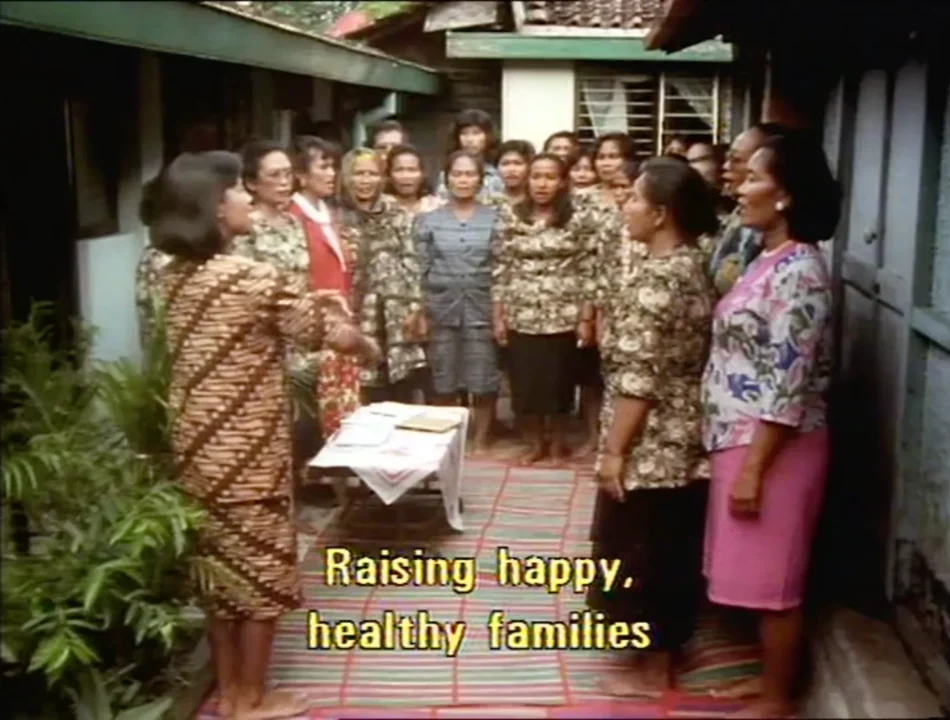
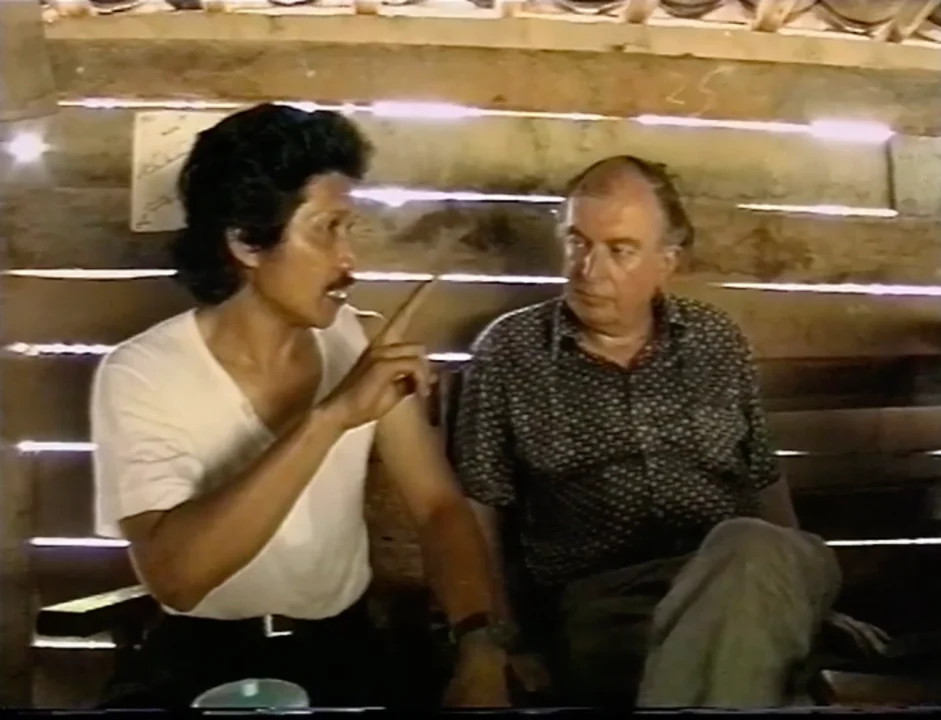
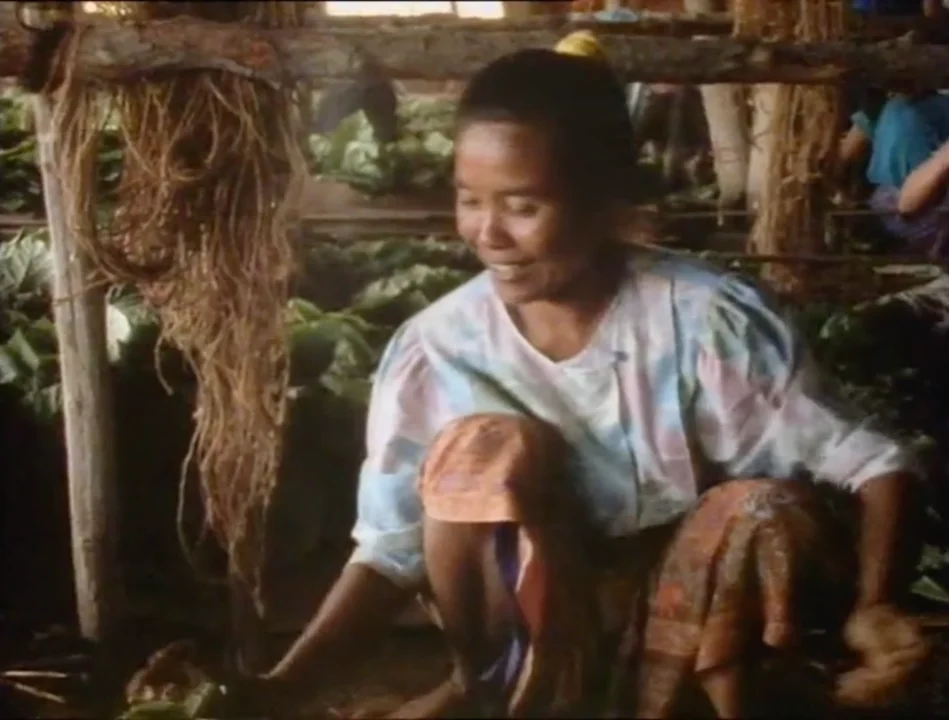
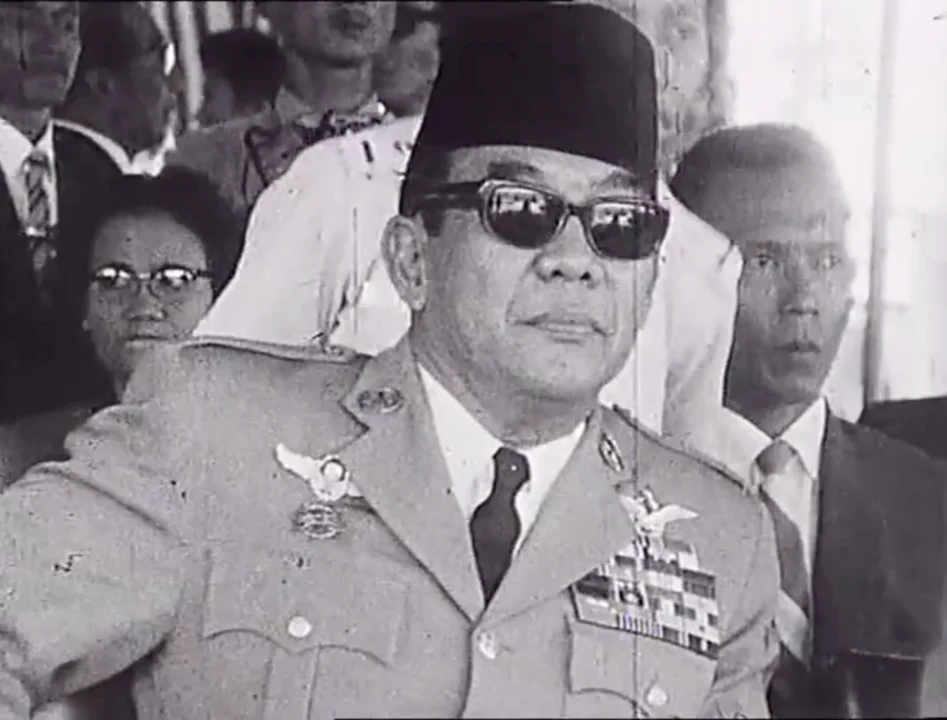
Presenting Curtis Levy at Festival Film Dokumenter (FFD) 2026 is an opportunity to revisit Indonesia’s history during the New Order era. Through his films, Levy documented how power was structured and exercised, how political violence unfolded, and how a regime exercised its control. Levy’s works are significant as they were produced at a time when free speech was severely restricted and many events could not be discussed openly. Revisiting these films today is not merely about looking back at the past. Twenty-eight years after Reformasi, the current situation clearly exposes many of New Order’s enduring issues: the reinforcement of the military’s role in civil life, the restricting of critical discourse, the centralisation of power, human rights violations—both past and present—and policies favourable to the regime rather than the people. Reformasi has brought about great changes, but it has not automatically severed the political legacy of the previous regime.
For FFD, this program also serves as a space to reinterpret Indonesian history through the lens of foreign filmmakers. Levy’s perspective is certainly not neutral and is not without its limitations. Yet, it is precisely this that opens up an opportunity to re-examine our memories, to notice things that may have been overlooked, and to question the ways in which history has been narrated thus far. This program serves not only as a tribute to a filmmaker—one of whom contributed by sharing his knowledge and granting access to footage to emerging Indonesian documentary filmmakers in the post-reform era—but also as an invitation to examine the origins and dynamics of power, history, and civic freedom from the past, which can still help us understand today’s democratic challenges.
— Kurnia Yudha F.
Programmer
Programmer
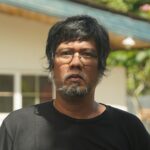
Kurnia Yudha F.
Kurnia Yudha F.
Kurnia Yudha F. is a documentary filmmaker who has been involved with Forum Film Dokumenter since 2006. As the organization grows, he has played a key role in developing various initiatives aimed at strengthening documentary practices, networks, and learning spaces in Indonesia. Through his work with the organization and the community, Yudha actively works to establish relationships with various practitioners, collectives, and institutions that contribute to the development of the documentary ecosystem. Currently, he serves as the Director of Forum Film Dokumenter while continuing to work as a director and camera person on independent documentary projects.
Item 1
Program Note
Be/longing
“Not yearning to belong to what we have, but yearning to be longing.” — Jemma Desai (2023)1 To whom do we belong? What do we…
Be/longing
“Not yearning to belong to what we have, but yearning to be longing.”
— Jemma Desai (2023)1
To whom do we belong? What do we long for? What do we owe to ourselves, to each other, and what is owed to us?
These five short films chart a journey of reckoning with selfhood and identity as we grow into and beyond the bodies that are our first homes and the cultures we are born into. Through exposure and experience, as our consciousness grows, we acquire vocabulary to articulate our desires. With body language, conversation, imagery, and soundscapes, we communicate across temporal, geographical, and emotional distances, with hopes of being seen, understood, and welcomed. Each effortful expression of what we long for brings us closer to living it—to feeling a sense of belonging to ourself and our communities.
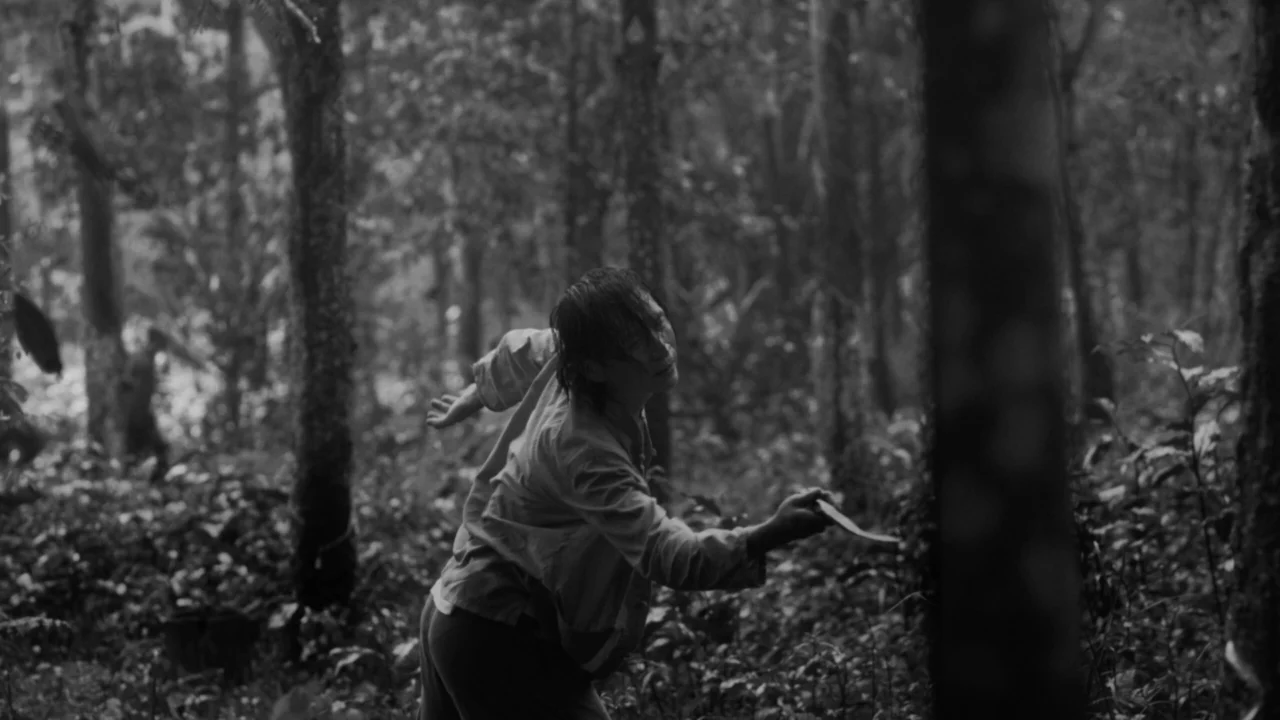
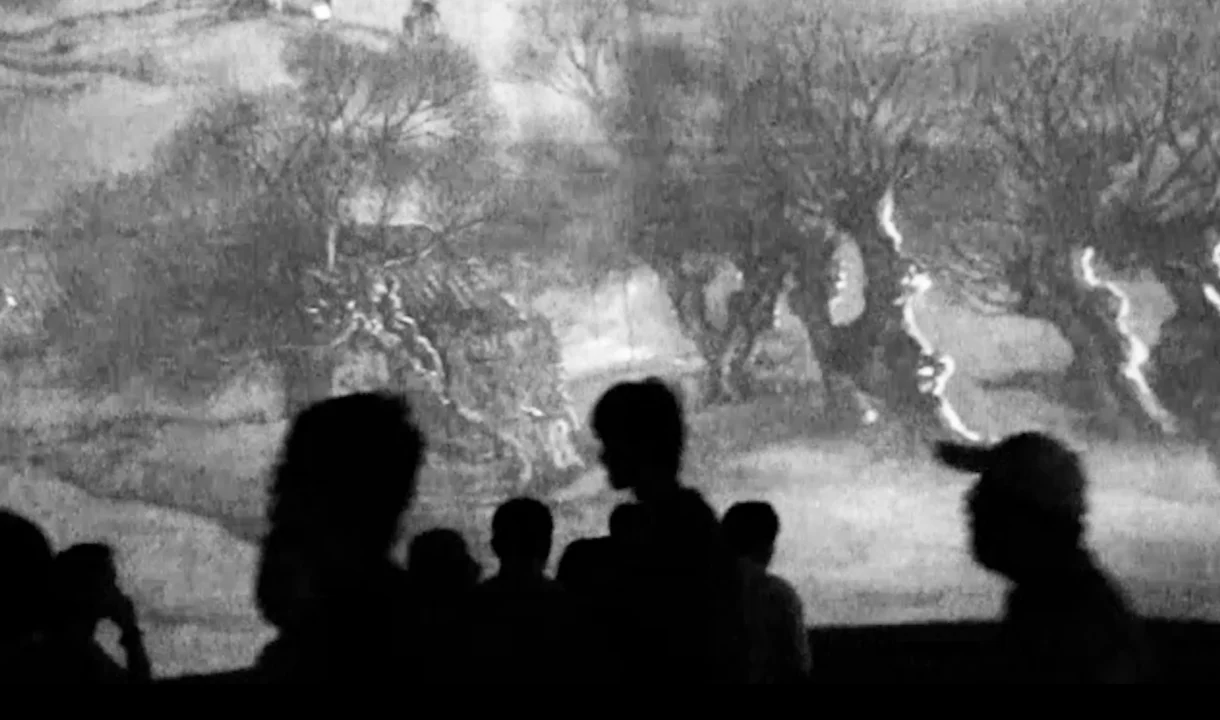
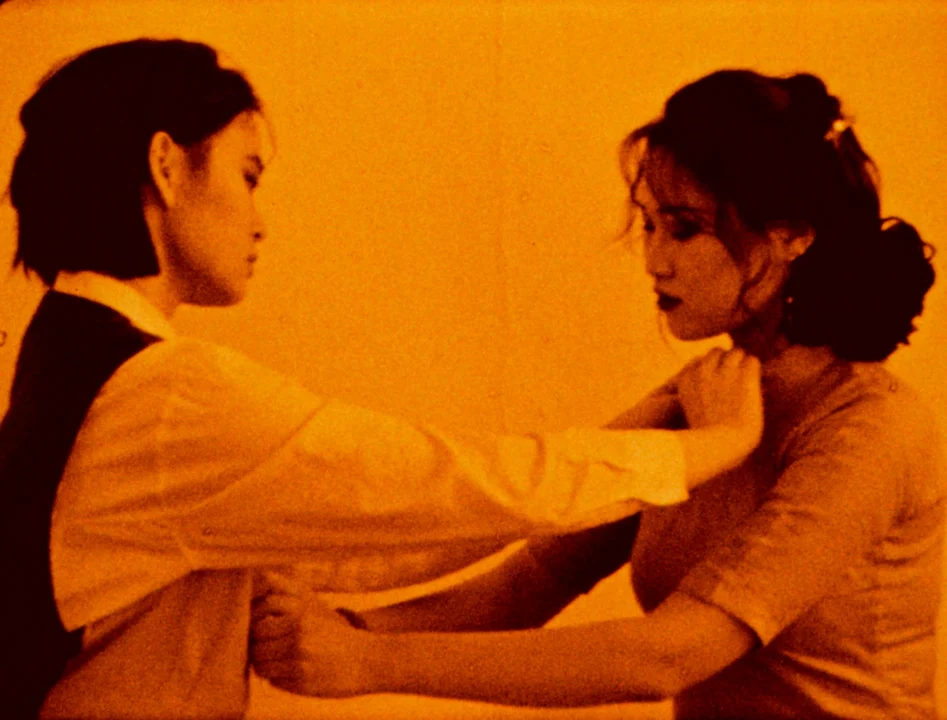
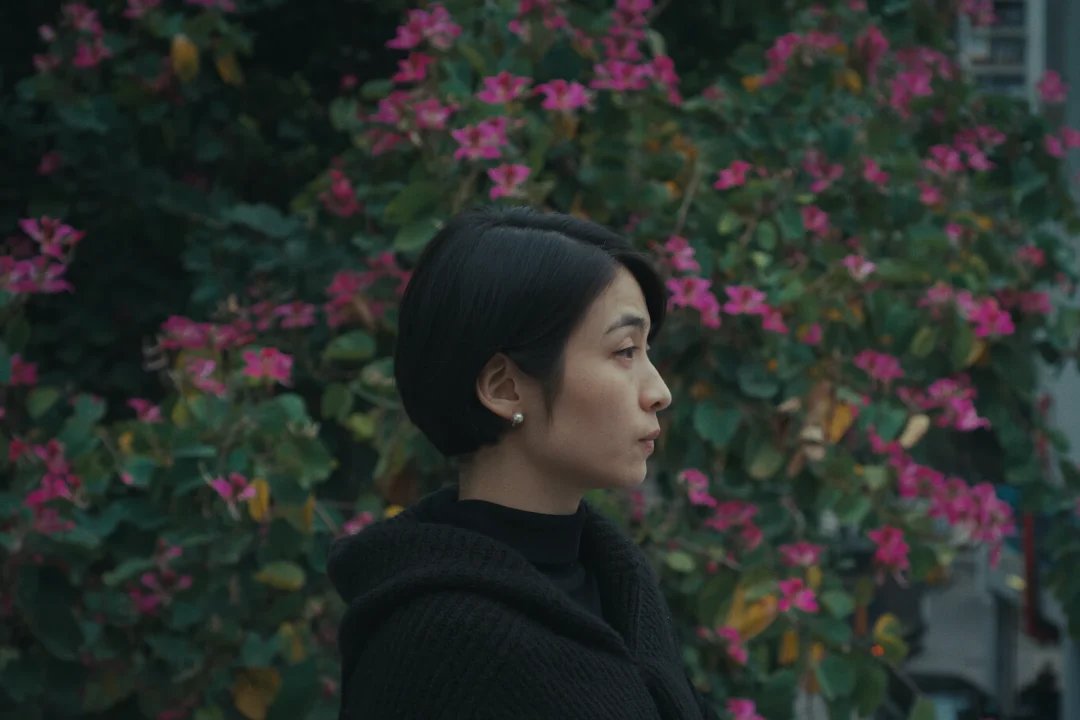
In the atmospheric and polyphonic Latex Labyrinth (Wey Yinn Teo, 2025), the lush Malayan plantation witnesses and endures the repeated gestures of rubber estate workers and communist guerrillas who inhabit it. Nature both provides for and protects the subjects of colonial imperialism who become complicit in inflicting violence upon it. Suffering and resistance that are not spoken about are inherited through embodied knowledge and generational trauma.
A culture of silence is intentionally broken in Rahhala: Hayya ala Hayya (Lujain Jo, 2025). Fragmented but clear-eyed memories of the prolonged domestic violence endured by the filmmaker and her sisters are overlaid upon elemental imagery of nature’s power and cyclical renewals: the change of seasons, the phases of the moon, life and death. Critiquing the inadequacy of justice as a concept and the hypocrisy of religion as justification for abusive behaviour, the filmmaker embraces the liberatory potential of living in attunement with nature, with freedom of movement, sustained by the care and goodwill yet present in humanity. She quotes the verse “You presume that you’re just a small body but you contain the entire universe.” Self-preservation is paramount; we are worthy.
The narrator of The Land Where Ghosts Could Speak (Tianhui Wu, 2025) processes through dialogue with their grandmother, materials from family and state archives, and sleep-talking a separation in childhood from their nuclear family that led them to reckon with their sense of belonging. What does it mean to look like those around you but to know that you are different from them? To know that your voice cannot sing in unison with theirs? How will we then be remembered?
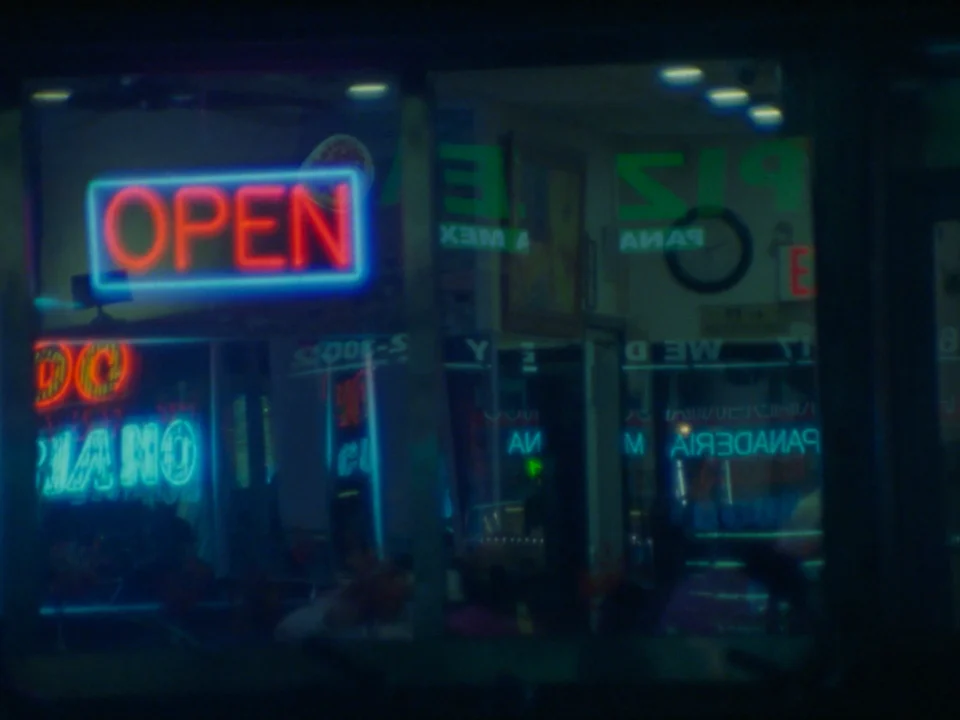
Your City (Ting Su, 2026) juxtaposes surreal, emotionally detached visuals of anonymous bodies moving through cities with an intimate, introspective phone conversation between two queer voices reaching out to each other from Shenzhen and New York. The climate crisis, pandemics, and rising tides of xenophobic sentiment and policies render migrants especially vulnerable. As urbanisation intensifies and social attitudes regress, we are left stranded in a state of stasis. Adrift, we claim belonging—kinship, solidarity—to each other even as dominant institutions deem us illegitimate, disclaim us.
Have you seen any fireflies? (Warat Bureephakdee, 2026) opens with two university students who, in a candid interview that may be more constructed than it initially seems, rue the political illiteracy and fatalism that is rife among their peers and families. Navigating legibility is a careful balancing act for minority and/or marginalised communities, and speaking about something through its absence is one possible strategy. With fireflies as a metaphor for all that is displaced and fades away due to urbanisation, this cheerful and irreverent short is revealed as a meta-narrative about a film being made without its director physically present. The crew’s collaborative and improvisatory spirit to get the film made parallels the journey of participatory action to bring to reality as-yet unwritten scripts for the lives and societies we imagine. Celebrating kindness, friendship, possibility, and co-creation, these youth hopefully claim: “We’re halfway through now, and we’re still dreaming, with more friends along the way.”
— Aditi Shivaramakrishnan
Programmer
1 Zile Liepins, “Seminars 68 | 69 | 70,” The Flaherty, 18 August 2023, https://theflaherty.org/newsletter/seminars-68-69-70.
Programmer

Aditi Shivaramakrishnan
Aditi Shivaramakrishnan
Aditi Shivaramakrishnan is a writer, programmer, and arts worker from Singapore with an interest in narratives of gender, feminism, and immigrant experiences. She has worked with and written for the Asian Film Archive, Objectifs Centre for Photography and Film, and the Singapore International Film Festival. She is an alumnus of the Teka-teki Sinema Film Programming Workshop (2025) organised by Forum Film Dokumenter, a Cinemata Community Curator (2026), and an Associate Writer & Researcher with Cinemovement. (aditishiva.com)
Item 1
Program Note
The Guerrillas are Still Moving
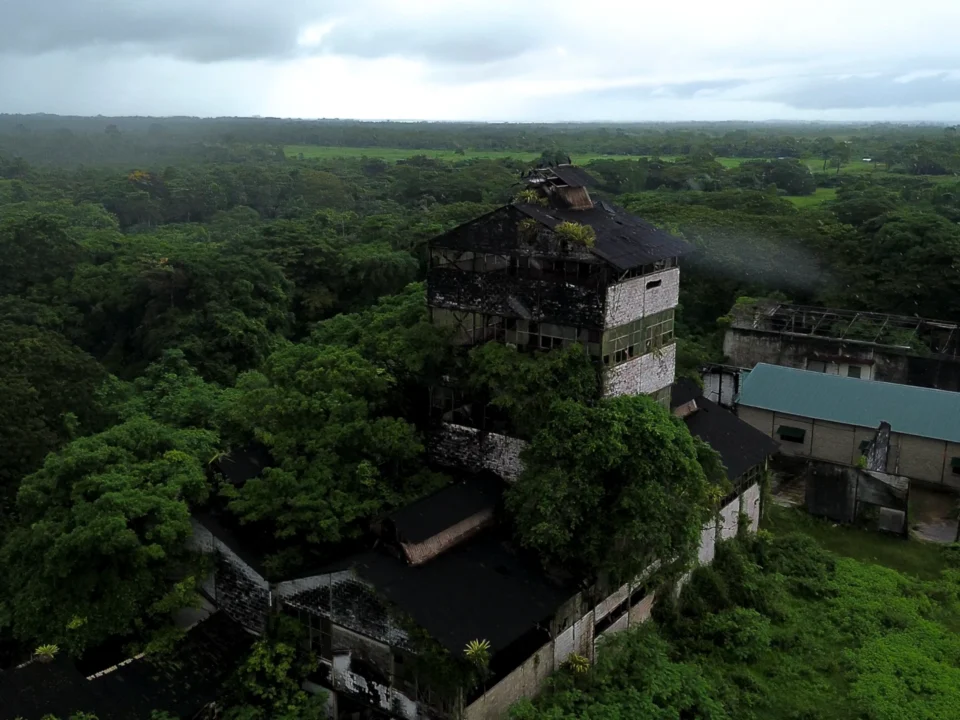
In the rubber plantations of Malaysian film Latex Labyrinth (Wey Yinn Teo, 2025), communist guerrillas emerge from the forests where they once fought British colonial…
The Guerrillas are Still Moving
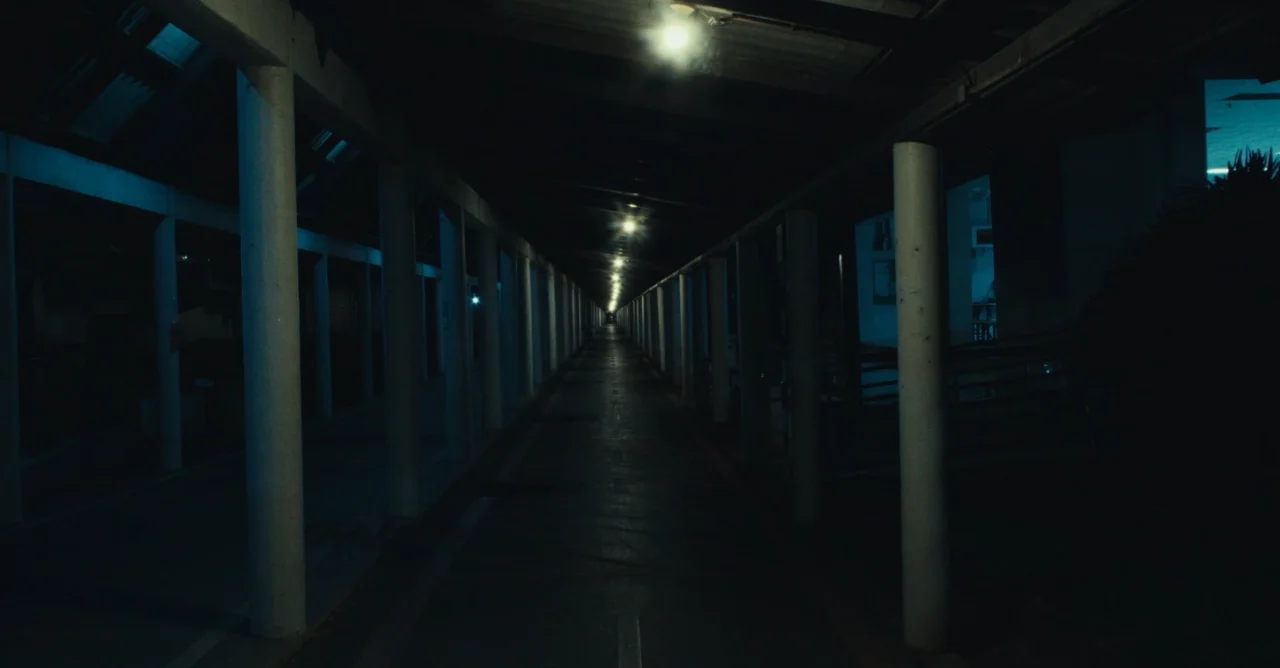
In the rubber plantations of Malaysian film Latex Labyrinth (Wey Yinn Teo, 2025), communist guerrillas emerge from the forests where they once fought British colonial power. Behind the scenes, workers carried food and money to them through latex barrels; children were taught to hold guns; stories of encounters between labourers and guerrillas were passed down, buried beneath the plantation landscape. Today, many of these plantations are being cleared for new developments.
The guerrilla is more than a historical figure. They become an affective presence: haunting landscapes transformed by another regime of power. What survives in the figure of the guerrilla is not necessarily a complete history of struggle, but its residue—a feeling of defiance, solidarity, desire, and the possibility that another world was once imaginable.
What does it mean to remain attached to a political history after its revolution has been defeated, its protagonists disappeared, and its possibilities declared obsolete? What happens when the feelings produced by struggle outlive the struggle itself?
This programme begins with what Ann Cvetkovich calls an “archive of feelings”: the idea that histories of struggle survive not only in documents and official records, but also as grief, trauma, longing, desire, and solidarity. These affects register what conventional archives cannot hold. Rather than treating the archive as a stable repository of facts to be recovered, the films here perform, distort, inhabit, and ultimately restage the feelings that remain. History returns through damaged images, bodies, landscapes, memories, absences, and imagined encounters.
To perform an archive of feelings is to practise a queer relationship to history: not reconstructing the past, but remaining with its unfinishedness. Restaging takes inherited materials and puts them to another use. In this sense, the archive becomes what José Esteban Muñoz calls disidentification—not abandoning inherited histories, nor accepting them on their original terms, but reworking them toward other possibilities.
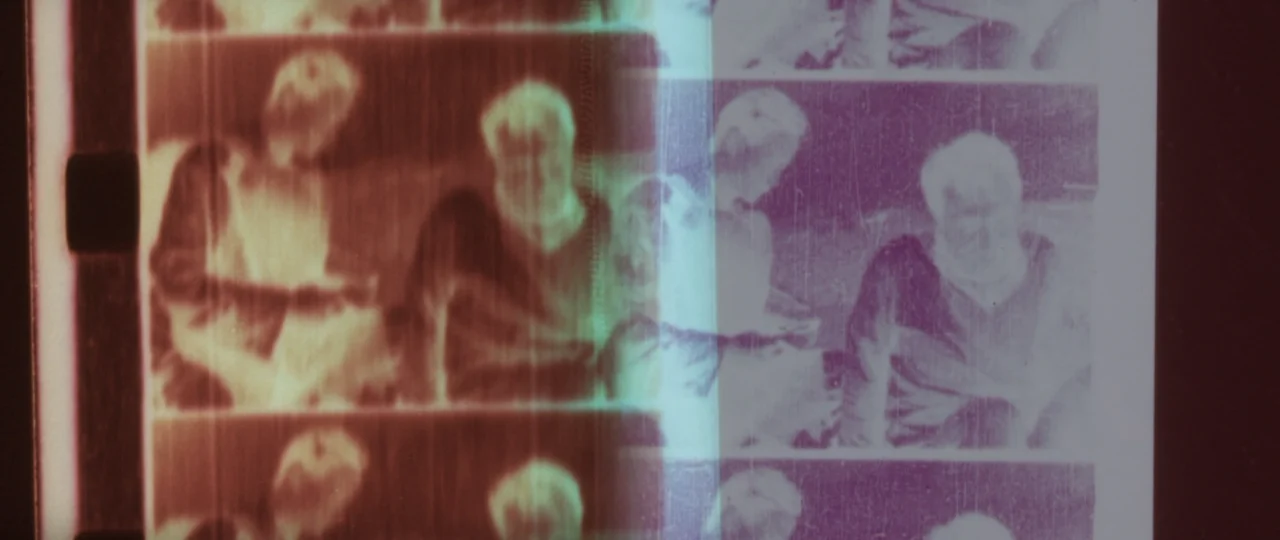
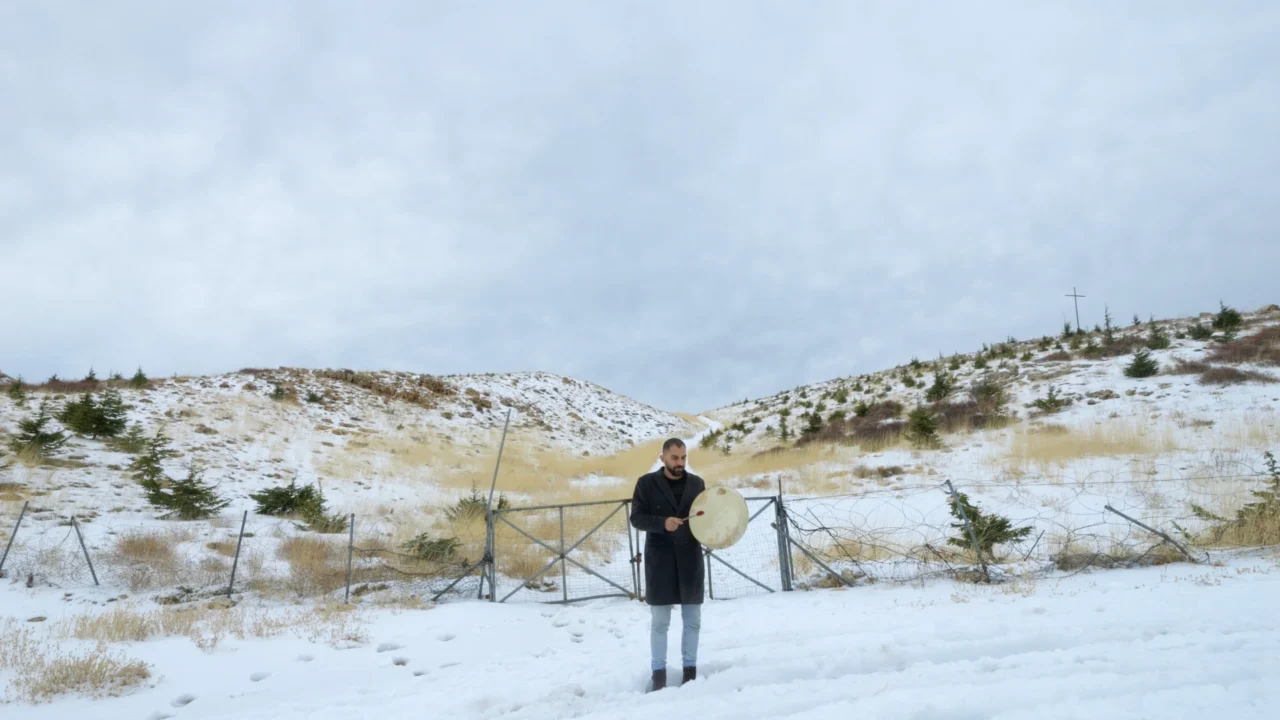
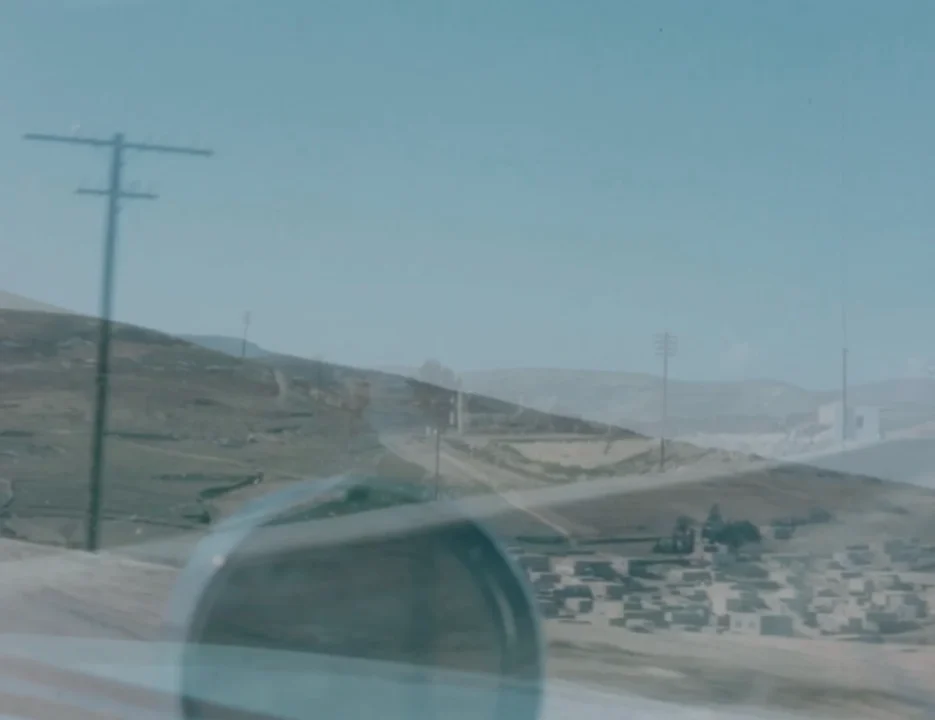
In meteors…, (Ghada Sayegh, 2025) fragments from a personal archive of Eastern Mediterranean home movies become traces of exile and mourning. In Documents for the End of the World (Henrique Buzachero, 2025), a state’s ban on sound leaves the sea as a shared voice, while photographs preserve lives and struggles that cannot be spoken. Latex Labyrinth brings buried histories of rubber labour, colonial violence, and communist resistance into the body through dance. Elegy for the Lost (William Hong-xiao Wei, 2025) intertwines queer intimacy, political repression, and collective memory through fiction and reenactment.
Across these films, history does not return intact. It flickers, disappears, goes silent, moves through bodies, or resurfaces in landscapes being transformed. The archive is not something we simply recover; it is something we perform, inhabit, and put back into motion.
A revolution may be over. A plantation may disappear. A country may be silenced. An archive may scatter across exile. A lover may be lost. But what if remaining attached to its feelings is itself a refusal of historical closure?
History is not yet finished, as long as the guerrillas are still moving.
— Rizky Rahad
Programmer
Programmer
Rizky Rahad
Rizky Rahad
Rizky Rahad (he/him) is an Indonesian filmmaker, programmer, and researcher exploring queer cinema as ‘rebellious worldmaking’. Currently co-running cinema collective QAMERAD in Bali, Rizky’s latest film H-O-R chronicles survivors of anti-trans violence resisting surveillance, while his book QUEERS SHOOT BACK! imagines a liberatory queer cinema beyond neoliberal visibility politics. Rizky is a recipient of the 2026 Bertha Artivism Awards, 2025 Flaherty Fellowship, and 2024 British Council’s Connection Through Culture grant.
Item 1
Program Note
Nostalgia brings us back to something we have experienced, a place we once lived, a time we have lived through, or a life that was…
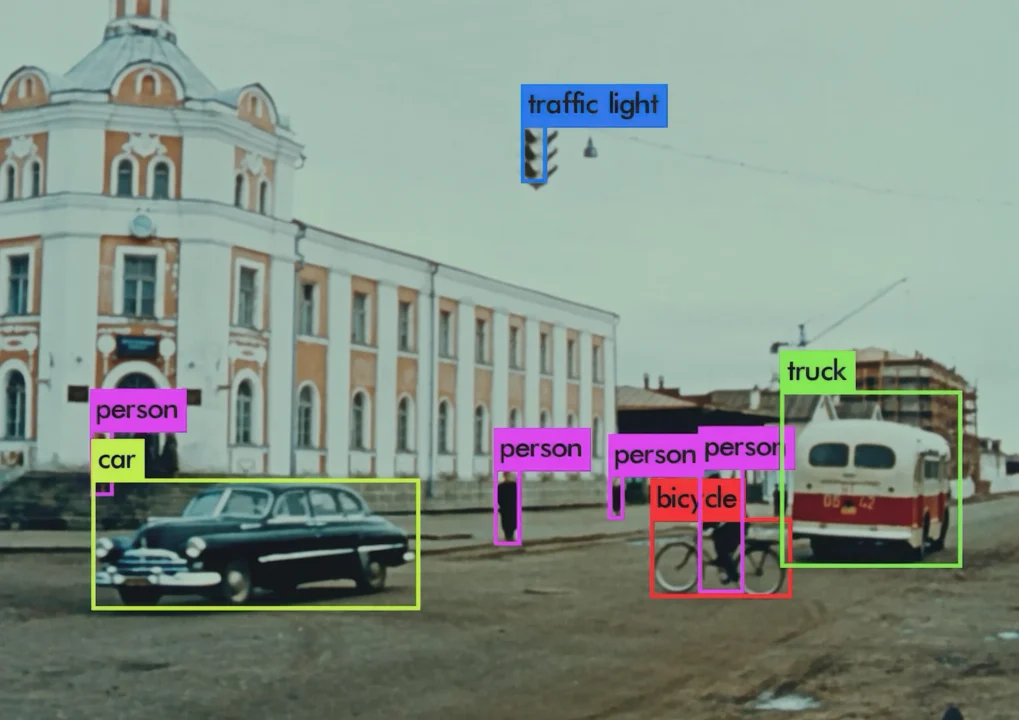
Nostalgia brings us back to something we have experienced, a place we once lived, a time we have lived through, or a life that was once part of us. So, how can we long for something that has not even happened yet? Or perhaps what we long for is not the life we have lived, but the life we once imagined would happen, yet which never came to pass—as in the film Nostalgia for the Future (Brecht Debackere, 2026). A film that takes us into a labyrinth of memories, and the identity of Christian Bouche-Villeneuve, who throughout his life sought to hide himself behind images. His identity is constantly shifting, making it difficult for us to separate his personal self from the world he constructed through images and writing.
It is a paradox: the deeper we look at the images in this film, the more we realise that we can never fully grasp all the possibilities of who he is. This cinematic journey also serves as a prolonged reflection on the utopia we hope for and the dystopia we fear. Can cinema become a space for renegotiating the relationships we might still forge amidst a situation where the promise of progress clashes with inequality and the ever-narrowing possibilities for life, whilst we yearn for a future that once—briefly—felt so close, yet which we never quite managed to embrace?
— Alia Damaihati
Programmer
Programmer
Alia Damaihati
Alia Damaihati
For two decades, Alia Damaihati has been involved in developing various programs for Forum Film Dokumenter. Her work focuses on managing film programs and exhibitions, and her experience has led her to participate in various forums, festivals, and documentary networks in Indonesia and internationally. Alia plays a key role in program development and in mapping documentary trends, which serve as the foundation for the organization’s various initiatives. She currently serves as Program Director of Festival Film Dokumenter.
Item 1
Program Note
Memories Beyond History
Perhaps, the early adoption of the term “documentary” was inseparable from a spirit of discovery and exploration, which—if we trace its origins—is actually inextricably linked…
Memories Beyond History
Perhaps, the early adoption of the term “documentary” was inseparable from a spirit of discovery and exploration, which—if we trace its origins—is actually inextricably linked to the very concept of colonialism itself. Nanook of the North (1922), for example, by Robert J. Flaherty—a filmmaker hailed as the epitome of the early adoption of the term “documentary”—embodies the exoticism of exploration, with several fishing scenes deliberately staged to capture moments of anticipation. We can see the same thing in the works of Willy Mullens in the Dutch East Indies (Indonesia) during the 1920s, which documented the remote corners of the archipelago. Documentary cinema in these two examples serves as a kind of testimony—or at the very least, proof of one’s “presence there”—proof of the exploration itself. Later on, we heard rumors about scenes and approaches that were deliberately staged, such as the poses of native people and so on, revealing what took place behind the camera in ethnographic documentary models during the colonial era. Some of these are considered history of the past, but they do not necessarily become memories.
Certainly, we are familiar with other documentary traditions, such as those of Joris Ivens and the renowned film theorist Dziga Vertov, who used the elements of the film medium to reveal the “truth” of everyday reality that is invisible to the human eye. In its development, the documentary genre has inevitably followed what Jacques Rancière stated: that reality must be fictionalized in order to be thought about. Also included in the development of documentary cinema is the fact that the objects of exploration are no longer limited to remote or marginalized regions, but also include objects or subjects such as dreams, trauma, the past, and so on—things related to the sensory realm—which require other tools, such as fiction, precisely to achieve the documentary’s objectives.
This year’s Lanskap is an effort to interpret non-competitive works that consistently seek out new possibilities within a context of a festival that celebrates diversity. The struggle of memory against history, including the use of tradition, everyday life, and mythology, is part of an approach to understanding an unreachable reality—or an inadequate historiography that stirs the memory. Documentary cinema has always had its own way of reaching the most traumatic and personal realities, which simultaneously contribute to the expansion of its very meaning.
— Akbar Yumni
Programmer
Programmer
Akbar Yumni
Akbar Yumni
Akbar Yumni attended Sekolah Tinggi Filsafat Driyarkara (Driyarkara College of Philosophy) in Jakarta. He was the curator of ARKIPEL – Jakarta International Documentary and Experimental Film Festival (2013–2018) and is active as a researcher and performance artist. Some of his performances are based on Indonesian film archives that were lost during the authoritarian regime, including Menonton “Turang” (1957), Menonton “Daerah Hilang” (1956), and Menonton “Sedap Malam” (1951). Currently, Akbar is a member of the theater committee of Dewan Kesenian Jakarta (Jakarta Arts Council) for 2023–2026.
Item 1
Program Note
Breaking Down Today’s Documentary
Documentaries, in the hands of young filmmakers, pose as vessels for understanding social reality. This practice challenges established perspectives while redefining the boundaries of cinema.…
Breaking Down Today’s Documentary
Documentaries, in the hands of young filmmakers, pose as vessels for understanding social reality. This practice challenges established perspectives while redefining the boundaries of cinema. Today’s youth bear the weight of ecological tensions, identity crises, historical disconnection, social alienation, and institutional pressures. These circumstances spark a sense of unease that, in turn, calls for new ways to express it. Documentary may well be a language that grows organically out of these daily tensions. Its presence remaps one’s position amidst the complexity of dominant discourse.
The urgency of the younger generation in cinema is not limited to simply identifying which issues deserve our attention. The key point lies in the effort to deconstruct the forms and methodologies of storytelling. They refuse to be confined by conventions that restrict the language of documentary to mere objectivity. This search for form reveals how the production process is transformed into aesthetic material, along with the uncertainty and subjective vulnerability of its makers. Within this fluid space of negotiation, empirical facts and perceptions collide to reweave our understanding of reality.
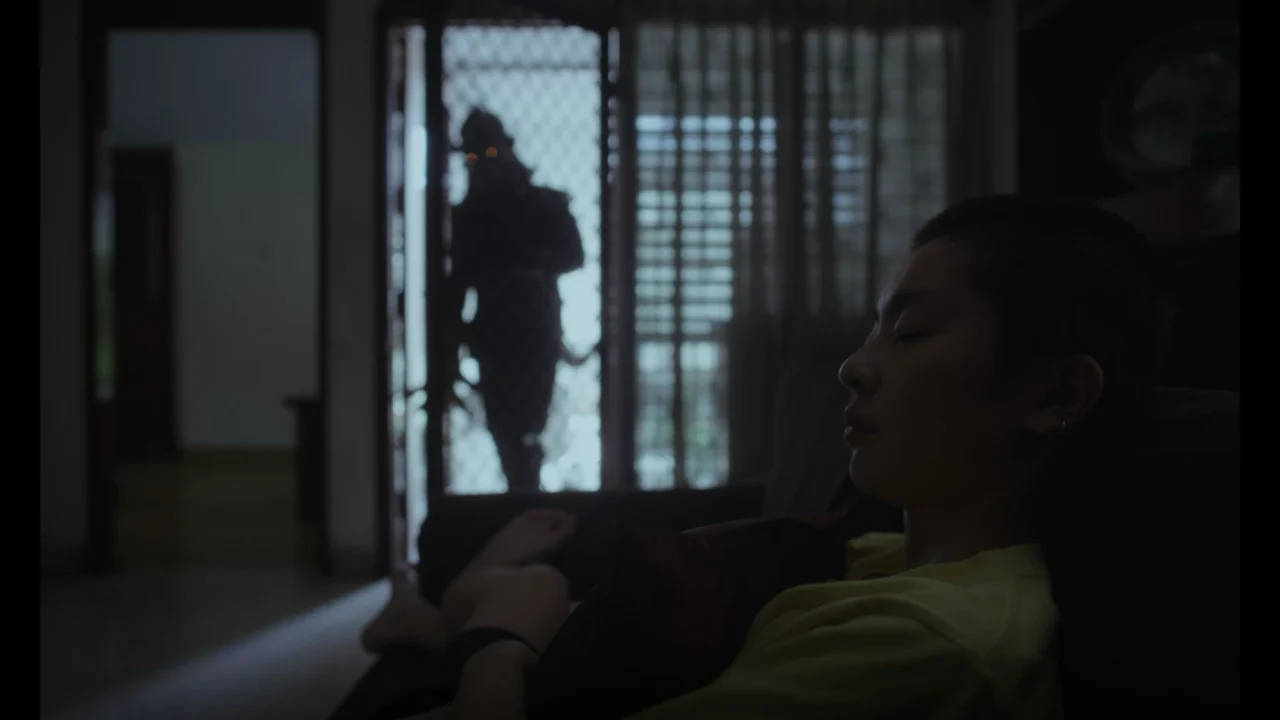
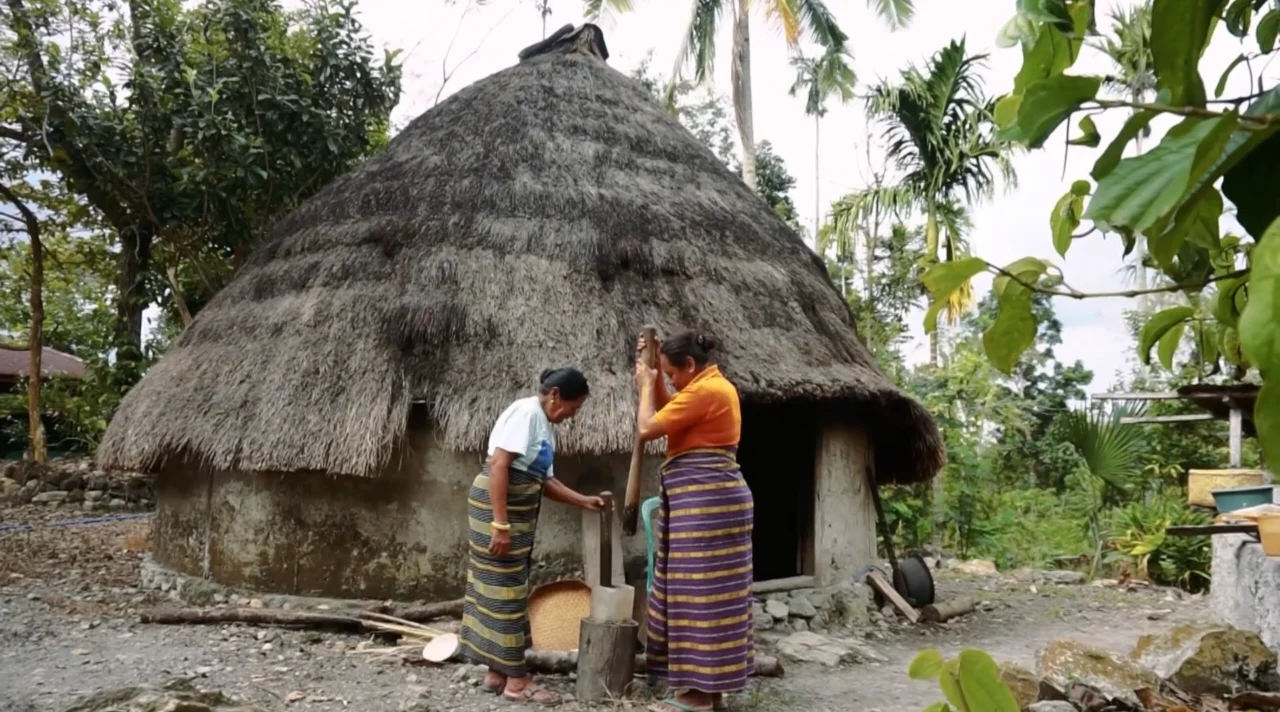
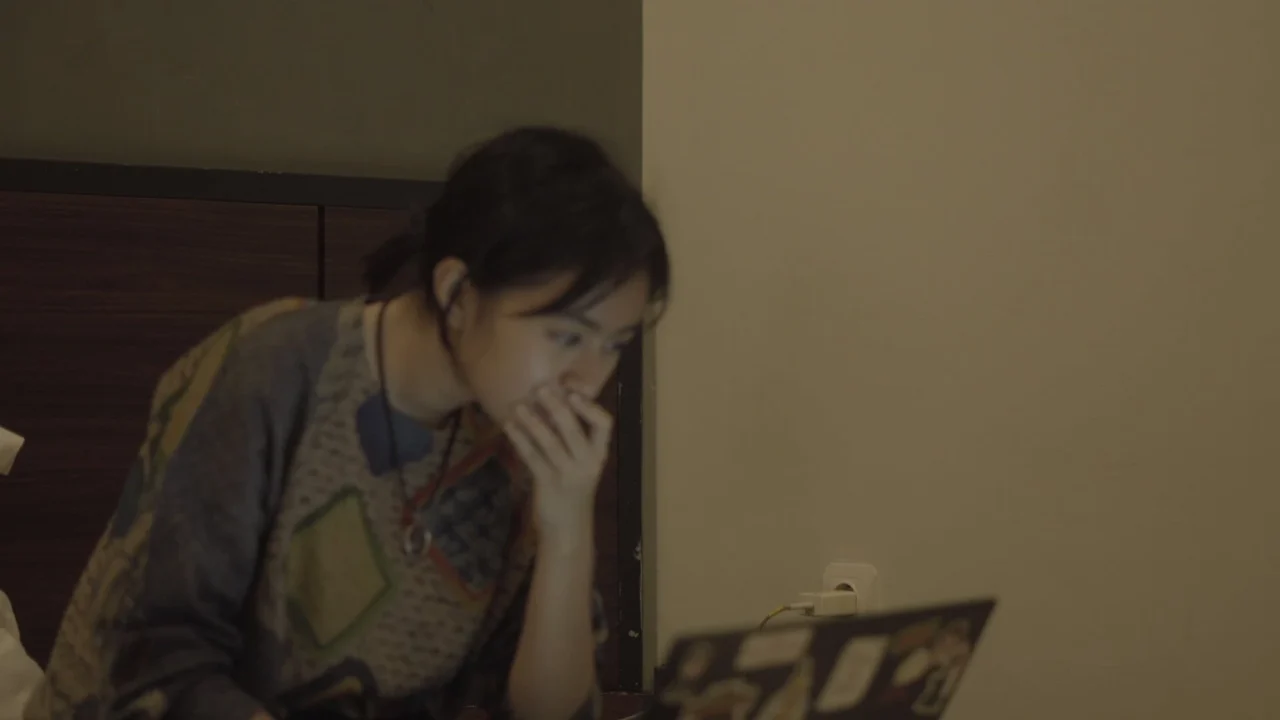
This deconstruction of methodology is evident in films that interrogate the filmmaking process itself. Why Must Be Concerned? (Risqi Widhio Saputro, 2026) uses a film student group’s misunderstanding as its primary starting point when addressing issues of disability. The resulting impasse is transformed into a reflective narrative structure. As the urgency to reconstruct this cinematic language shifts toward mapping living spaces, The Earthen Mother (Wisnu Febri Wardana, 2026) emerges through a weaving of local archives and intergenerational artistic practices. This documentary approach breaks the logic of development that reduces customary lands to empty plots.
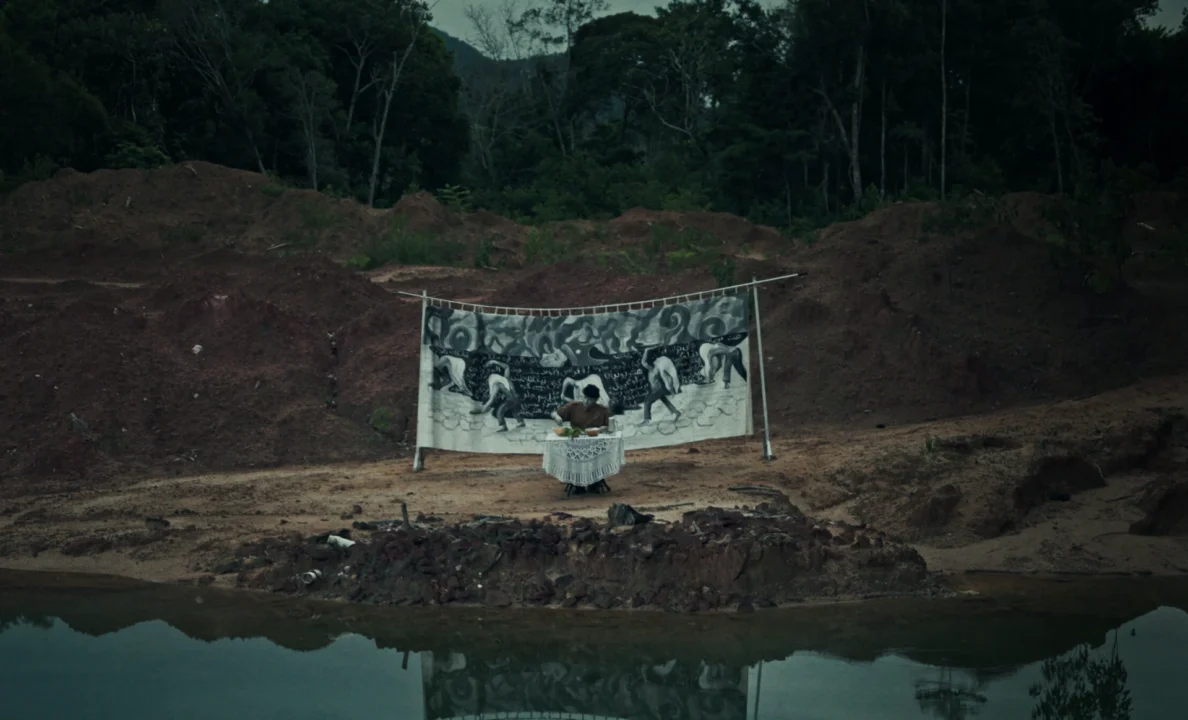
On a different spectrum, Portrait of Tin’s Family (Mochammad Legawa Allit Albandika, 2026) dissects the wounds left by tin mining through audiovisual experimentation, presenting a figurative character. This film illustrates how ecological devastation transforms into a cage for its people’s social lives. This search for form transcends the boundaries of personal memory to delve into historical roots in GECKO (Owen Effendi, 2025), which blends historical footage with poetic fiction amidst weathered family archives and living local myths. This approach captures how waves of sociopolitical history tear apart and reshape identities across generations.
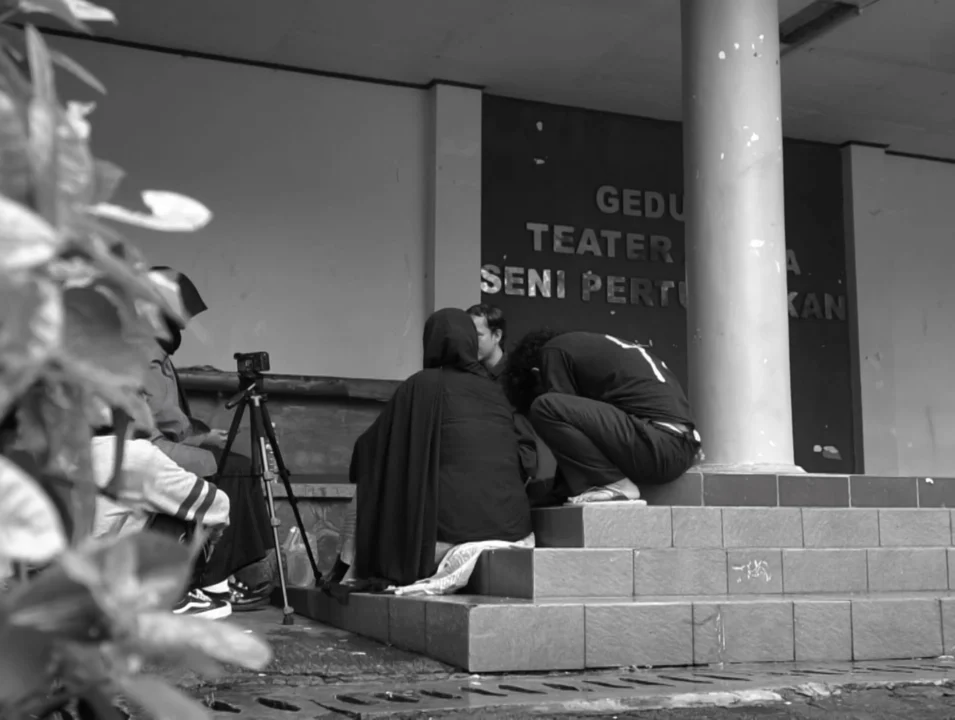
To conclude the program, Then, can this be called a documentary? (Farah Yumna, 2026) reopens questions. This film adopts a performative approach to exposing the blind adherence to academic doctrine. A group of students, once again, documents their doubts and their search for the language of documentary filmmaking.
Several films in this program represent a small slice of today’s documentary landscape—documentaries that present themselves as a language that continually evolves alongside its emerging generation. Their makers do not simply accept conventional mandates as an absolute requirement for documentaries to become a timeless formula. Instead, they embrace uncertainty and return documentaries to a discursive arena—an open playing field.
— Gerry Junus
Programmer
Programmer
Gerry Junus
Gerry Junus
Gerry Junus is a curator and film programmer who currently serves as Program Director of KDM CINEMA, an alternative cinema initiative in Yogyakarta, Indonesia. In addition, he is also the program coordinator for Festival Film Dokumenter while organizing screenings with Klub Sinema Sisifus Salatiga. Gerry also conducts research on film festival practices and Southeast Asian cinema.
Item 1
Program Note
Labors of Love
Where does love lie in capitalism? The featured films in this programme capture routine; the acts here are not rehearsed in the typical way an…
Labors of Love
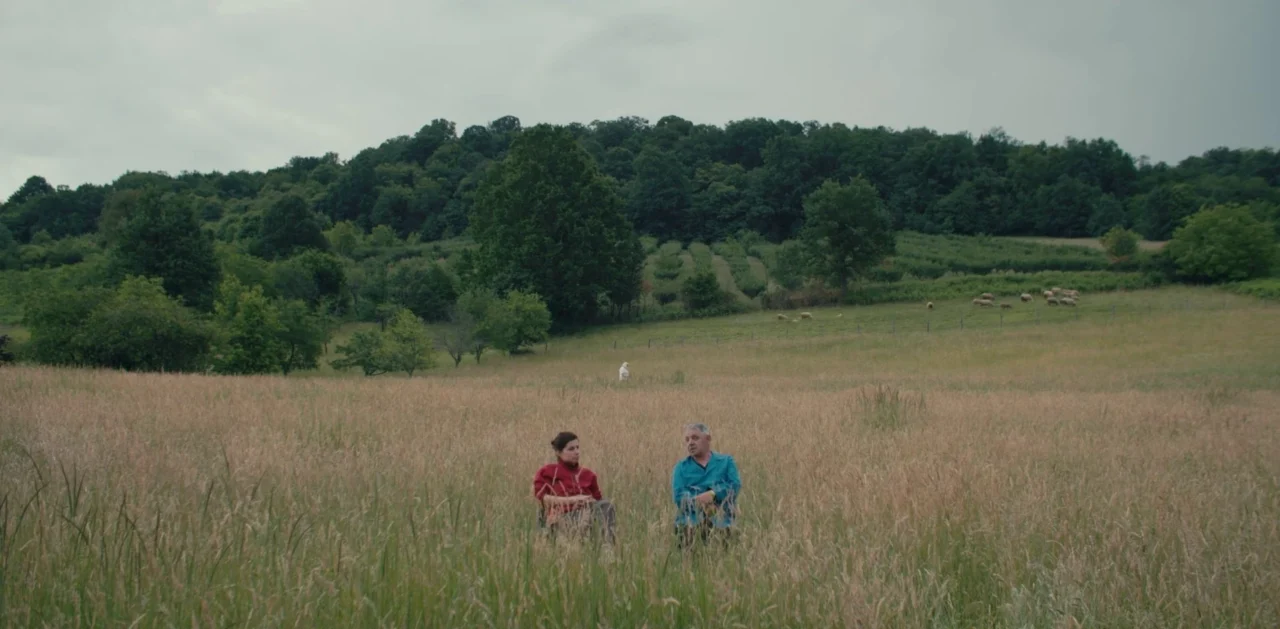
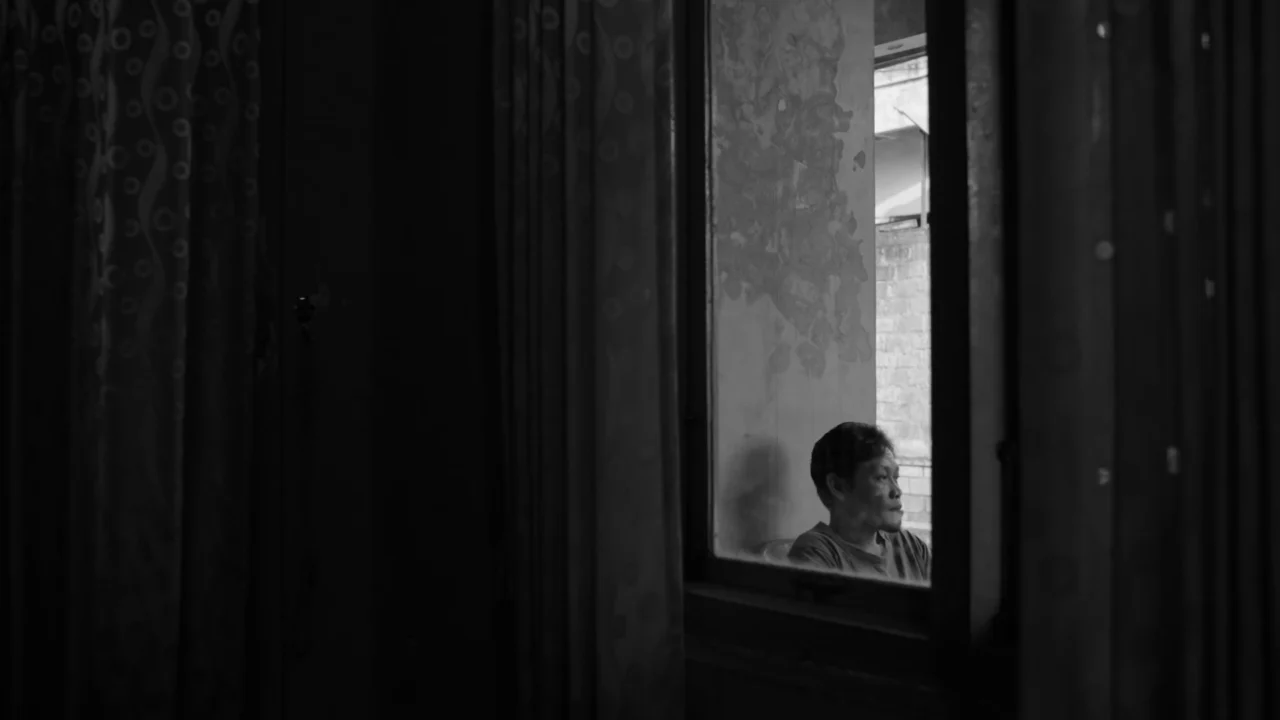
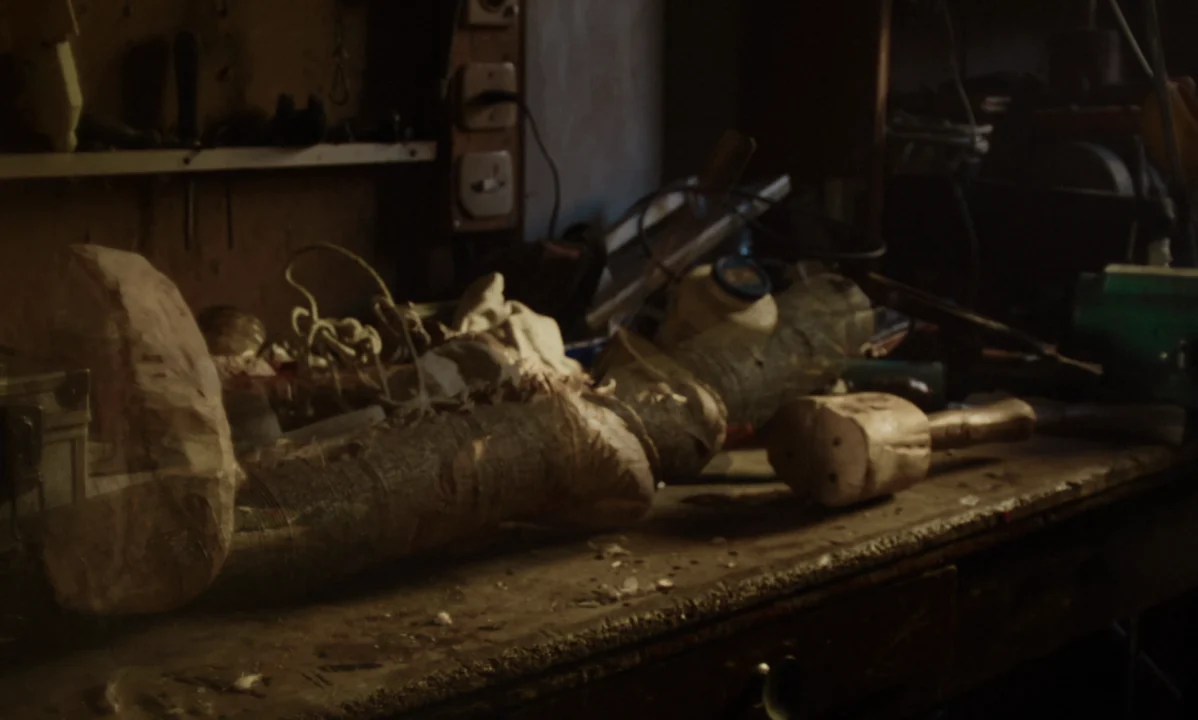
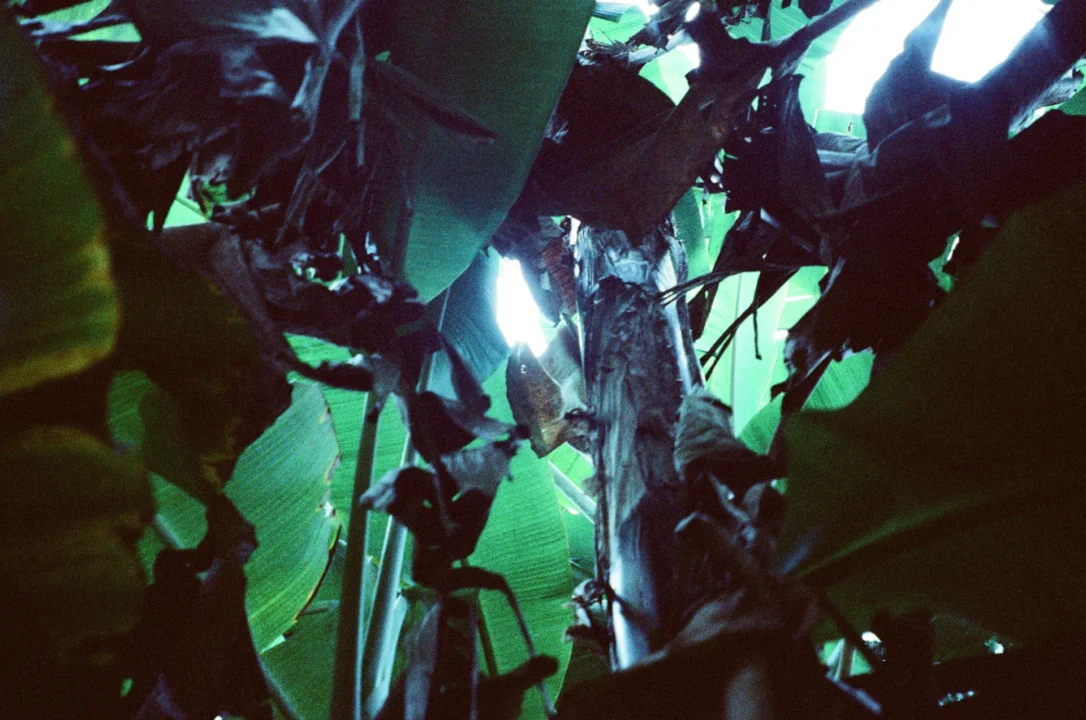
Where does love lie in capitalism? The featured films in this programme capture routine; the acts here are not rehearsed in the typical way an actor would for a narrative, nor are they found through spontaneity. Rather, they are the result of a thing repeated, day over day, month over month, year over year. Work that begins with the locomotion of one body, making its mark on the material world immediately in its vicinity, then on the people around it. The labor flows outward, with each repetition enacting change, little by little, until the laborer has completely transformed everything around them. Time grows the spiral outward, while documentary film traces each frame back to the center.
Each film starts with a person whose work has a profound effect on their own bodies. The subjects’ bodies are delicate and worn. They, like everything around them, change too. At the innermost circle around them is their family and fellow workers. The observers, daily documentarians of the subject at work. A step further from the center is the laborer’s environment. The cinematic landscape can only frame a fraction of what the laborer shapes; bursting and spilling out of each border of the screen is a place molded by the laborer in the shape of their ambition, sorrows, melancholy, comfort. The audience sees the shape from above or outside, a form which guides the viewer to trace their fingers round and round as if to feel heat radiating out from a glowing hot center of the spiral.
To document the laborer loving, remembering, and creating is resistance. In order to contextualize the worker as not merely a cog in the machine or as valuable as their economic productivity, documentary cinema situates them as spirals intertwined, like unruly vines that tangle with everything around them. The worker does not become merely an object of productivity. They become the mother, artist, artisan. The lover, custodian, memory-keeper. Labors of love as resistance in the face of capital.
— Jetri Bolintiam
Programmer
Programmer
Jetri Bolintiam
Jetri Bolintiam
Jetri Bolintiam is a curator, writer, and artist from Quezon City in the Philippines. He was a founding member of the collective Kinoise, where he mainly curates moving image works and organizes grassroots film events with his friends. Of these events include fundraising community screenings, like the Sinepasada Film Festival for the #NoToJeepneyPhaseout campaign, and Sine Pesante for the Central Luzon farmers’ caravan at DAR last March 2025. In July 2025, he was chosen to participate in the first edition of Teka-teki Sinema, a film programming workshop held in Yogyakarta, Indonesia. As a labor advocate, he volunteers for Mayday Multimedia, a labor-centered alternative media outlet. Jetri is an economics graduate and is currently a law student at the University of the Philippines Diliman. His favorite movie is Yi Yi by Edward Yang, and his favorite NBA team is the San Antonio Spurs.
Item 1
Program Note
Places that Dream of Us
We usually speak of dreaming about the places we have lost. This programme turns that around. What if the places are the ones dreaming, and…
Places that Dream of Us
We usually speak of dreaming about the places we have lost. This programme turns that around. What if the places are the ones dreaming, and we are what they remember?
Documentary is often expected to prove that something happened. I have never fully believed this. The most truthful documentaries I know are the ones honest enough to admit what the camera cannot hold.
Memory is not an archive. It is a dream we keep revising. The photographs in a family album are smiles chosen on good days. The histories we are taught are versions that survived because someone had the power to tell them. The homes we grew up in now exist mostly in the way we remember them, which is to say, in the way we need them to be. To film the past faithfully, then, is not simply to record it. It is to dream it carefully, knowing that every image is part testimony and part longing.
This matters more than ever. We live in a time of fast erasure: rising floods, neighbourhoods cleared for development, cities rewritten by political force, communities scattered across borders. When places vanish this quickly, the image is often the only thing left standing. And an image of a lost place is never neutral. It is an act of resistance against forgetting, and at the same time, a confession that forgetting has already begun.
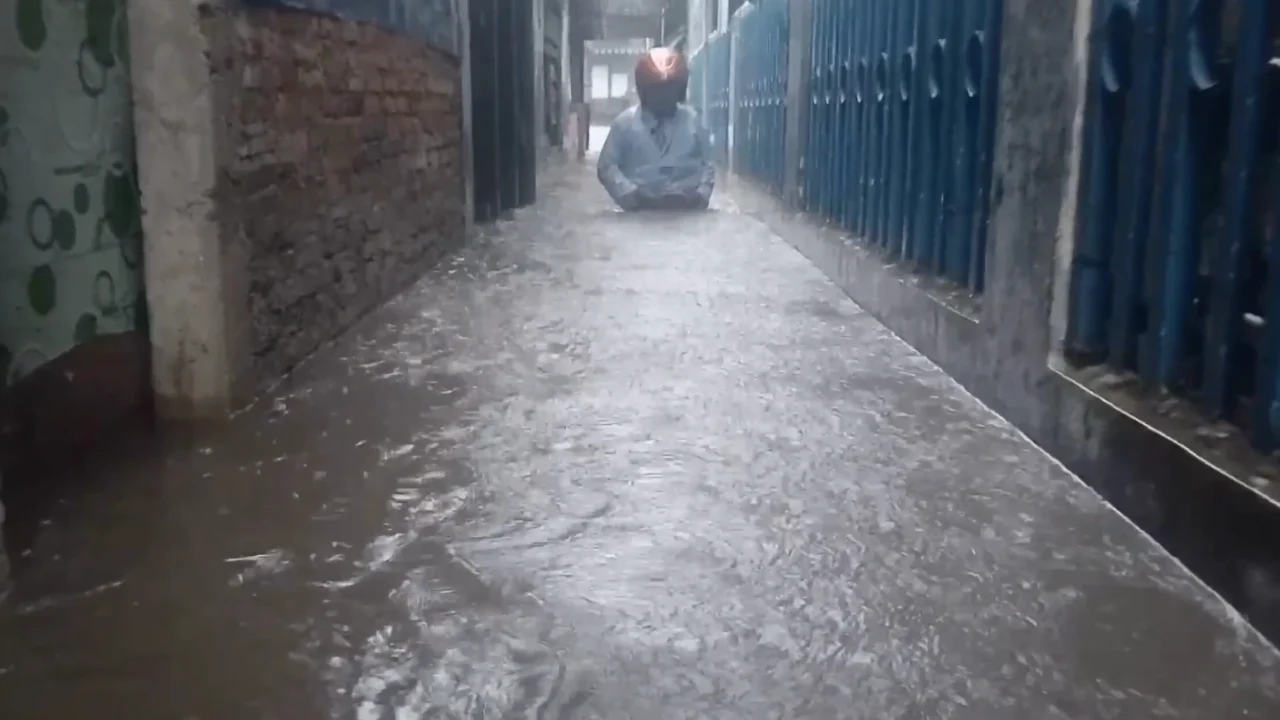
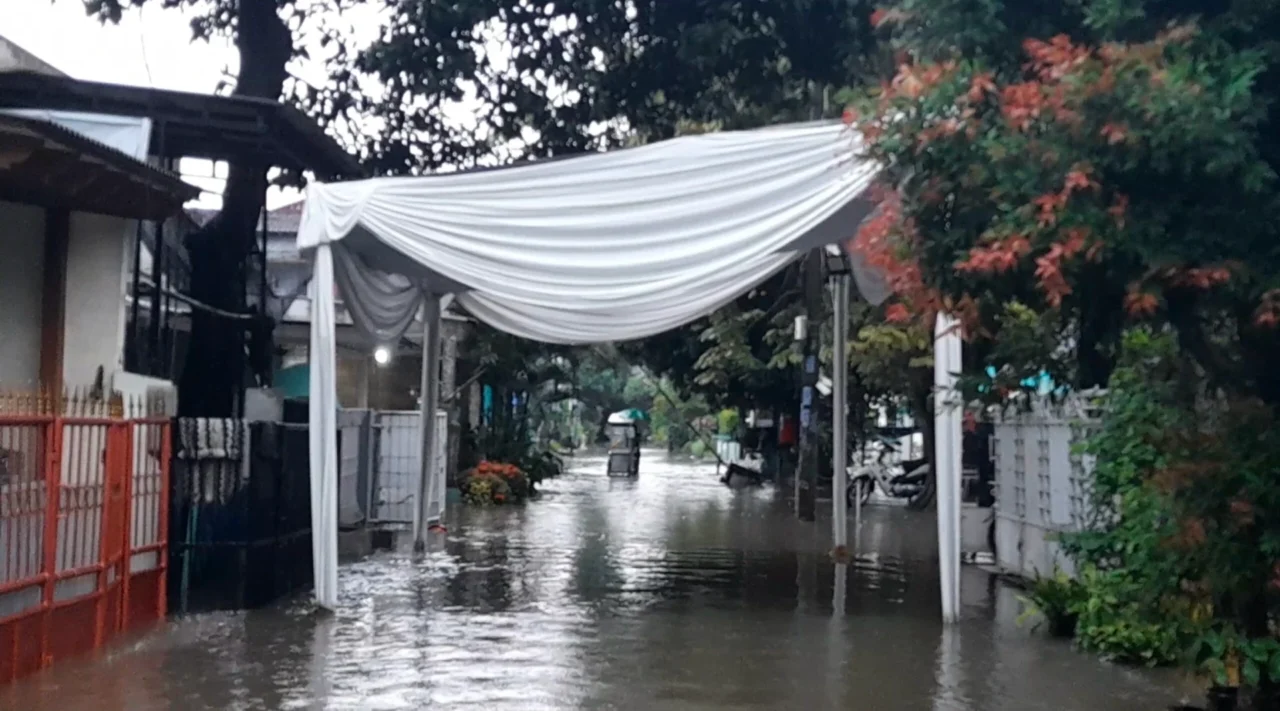
The four films in this programme live inside that tension. In Rainy Day Mother (Helmi Yusron, 2026), floodwater seeps into a family home and into the photographs kept there. As a mother sifts through images fading in her hands, she and her son talk about faith and marriage, the future she still imagines for him. The house holds two dreams at once: the one washing away, and the one not yet lived. The Other Spring (Monica Maria Moraru, 2026) returns to Nehoiu, a Romanian town once swept away by a flood under the Communist regime. Here the past refuses to stay buried. Ghosts wander through the present, and the director steps into her own film to ask who gets to tell a town’s story, and which version it is allowed to believe.
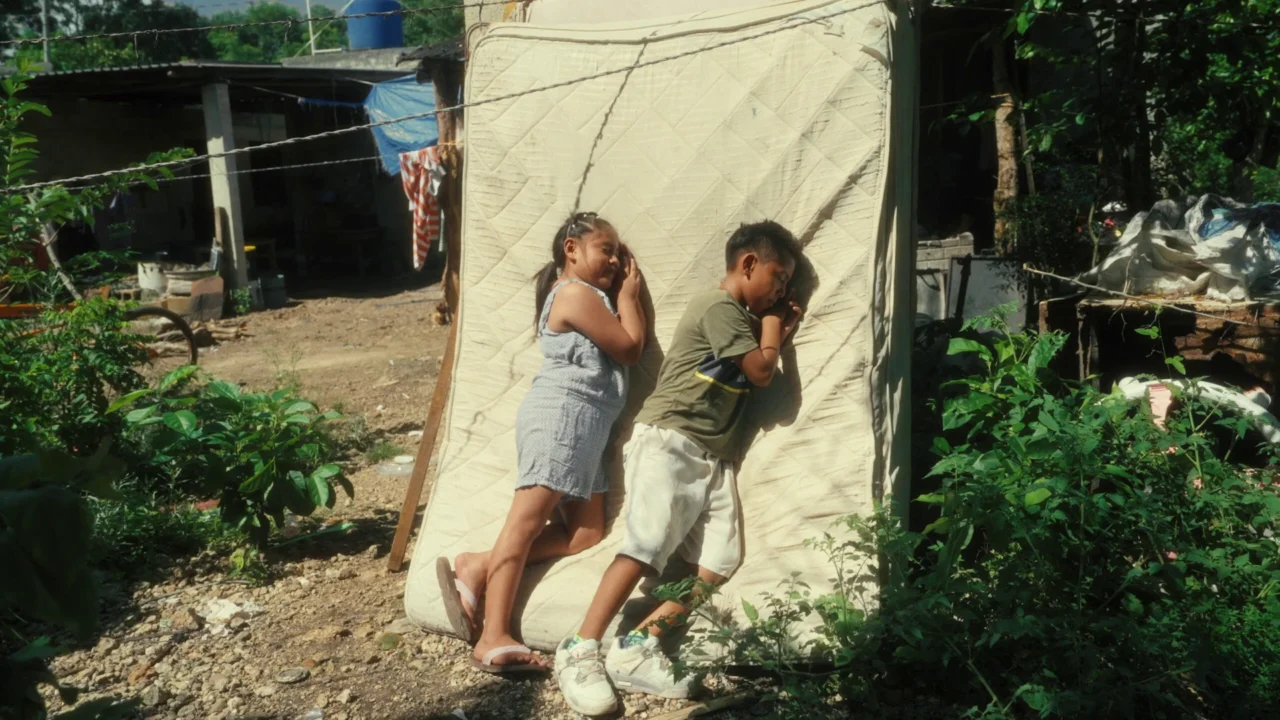
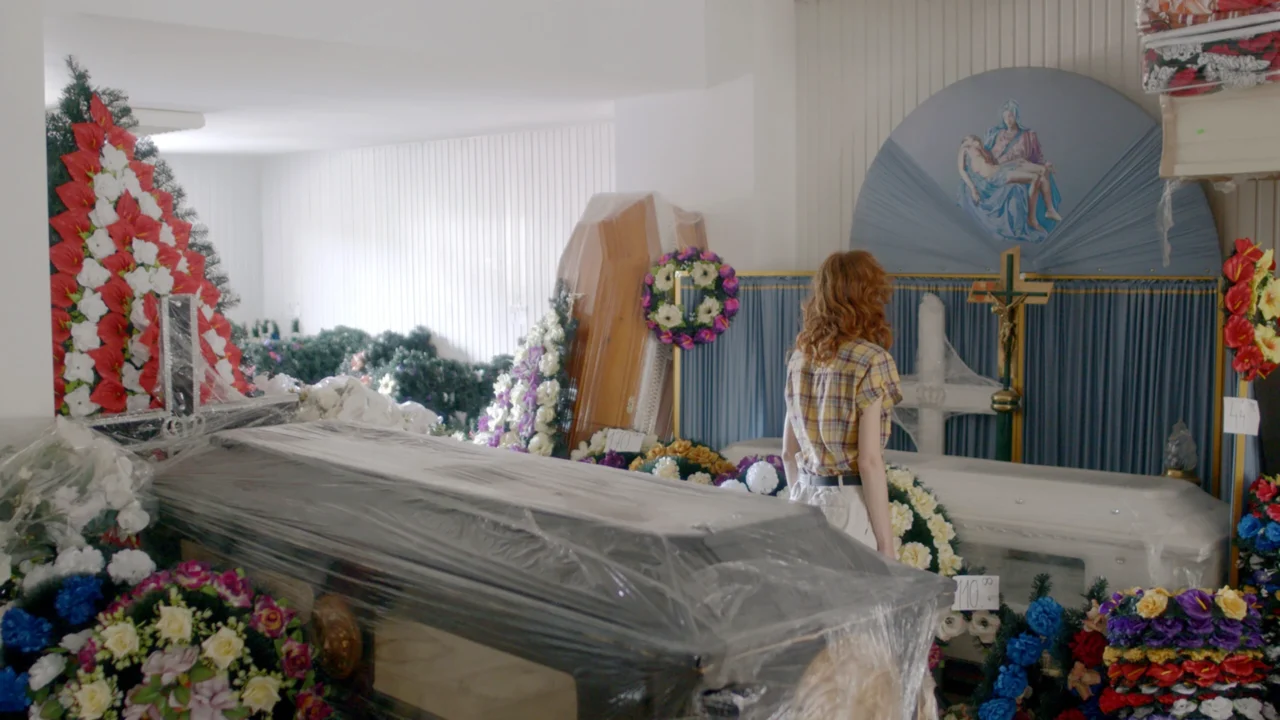
In Retrograde (Nikki Lam, 2025), Hong Kong becomes a place that can only be reached through memory. Made from the diaspora after 2019, it is a meditation on grief, and on making art about a home that keeps shifting as you try to hold it. “She may not always remember, but she will always forget.” Finally, A Small Alley Dreams of Us (Yi Lu, 2025) gives the last word to a place itself. On the night before its demolition, an alley in a sleepy Chinese town dreams of the children who once filled it, children who, it turns out, lived on the other side of the world.
I have come to think that documentaries can do something tender, not to fix reality in place, but to keep company with what is disappearing, and to let what is disappearing keep company with us. The places we come from may disappear. Perhaps they keep dreaming of us anyway.
— Yu Ern Chia
Programmer
Programmer
Yu Ern Chia
Yu Ern Chia
Yu Ern Chia is a Malaysian film producer and programmer based in Kuala Lumpur. She came to cinema through festival programming and curation, beginning her journey at the Malaysia International Film Festival (MIFFest). Since 2025, she has been producing at Blackflag, developing films and collaborations. She also continues to programme, currently heading the European Union Film Festival in Malaysia and curating independent programmes alongside her producing work.
Item 1
Program Note
Common Life and Humanity
There are at least two ways to interpret cinema: as a language and as a medium. As a medium, its potential is truly extraordinary. This…
Common Life and Humanity
There are at least two ways to interpret cinema: as a language and as a medium. As a medium, its potential is truly extraordinary. This was particularly evident when the camera was first invented; all forms of experimentation based on it can be seen through the use of the camera to express humanity. In the digital age, this potential has become even more democratic. Now that this medium is no longer centralised and widely accessible—both economically and technically—many people record whatever represents their individual expression. Coupled with exhibition channels now linked to social media, its use is simultaneously a celebration of the individual across diverse cinema cultures.
The concept of the individual within cinema itself is one of diversity, not in an essentialist sense. This diversity stems from the ease of using the medium of cinema itself, where depictions of the individual are reflections of the everyday life that surrounds them. From this, the significance of common life becomes crucial to interpret. For, alongside complexity and spatiality, the way the individual acts as an agent is also influenced by the spatial landscape as well as the medium itself—along with its complex narratives—thereby making personal experiences varied. The snapshots of common life in the films in this program, whilst occasionally employing conventional cinematic language, capture the unspoken as they transform it into something spoken. Set against the backdrop of a fluid digital cinematic medium, it is the very power of everyday life within it that subsequently broadens and diversifies our human experience.
— Akbar Yumni
Programmer
Programmer
Akbar Yumni
Akbar Yumni
Akbar Yumni attended Sekolah Tinggi Filsafat Driyarkara (Driyarkara College of Philosophy) in Jakarta. He was the curator of ARKIPEL – Jakarta International Documentary and Experimental Film Festival (2013–2018) and is active as a researcher and performance artist. Some of his performances are based on Indonesian film archives that were lost during the authoritarian regime, including Menonton “Turang” (1957), Menonton “Daerah Hilang” (1956), and Menonton “Sedap Malam” (1951). Currently, Akbar is a member of the theater committee of Dewan Kesenian Jakarta (Jakarta Arts Council) for 2023–2026.
Item 1
Program Note
The idea that the past and the present aren’t naturally connected—that we’re the ones who connect them—feels only half true. Some memories come on their…
The idea that the past and the present aren’t naturally connected—that we’re the ones who connect them—feels only half true. Some memories come on their own, unbidden. A child grows up with their family’s customs and then carries on those customs without ever consciously deciding to do so. Our bodies tense up or tremble upon hearing a certain sound, even though we don’t yet remember why. We see a common object, and it reminds us of someone we haven’t thought about in ages. In all three of these instances, no one says, “Let’s remember.” The memory comes first, and only then we realize that we are connected to that memory.
It is this kind of connection that leads us to do what follows—such as recognizing the connection, naming it, weaving it into a story, and then deciding what to share with others. There are two things that are often mixed up in this phenomenon: connections that simply happen on their own, and connections that we create ourselves. If we assume that all connections are of our own making, memory becomes a free interpretation. People can connect anything to everything—and that is apophenia: a tendency to see patterns and meaning in things that are actually unrelated. This shows that the risk of memory lies in the present. The main issue is not whether a memory is accurate in relation to what occurred, but rather what effect it has on the people experiencing it today.
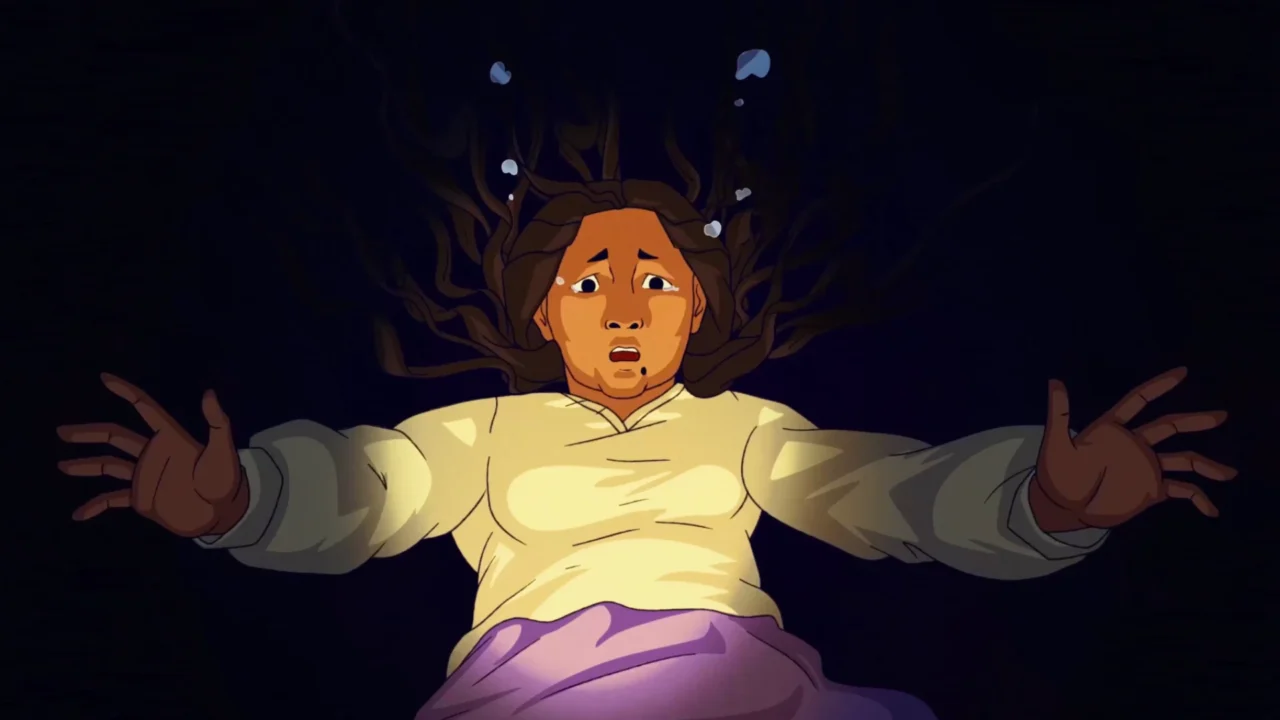
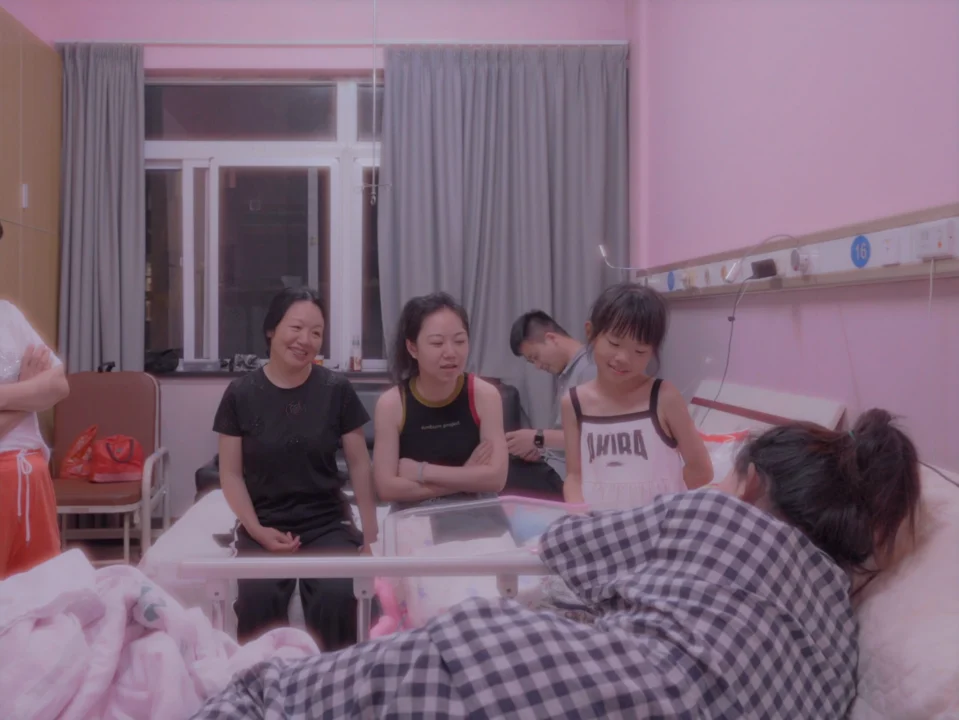
This program explores memory in ways that go beyond mere depiction without revealing its implications. About the Pink Cocoon (Binyu Wang, 2025) opens with a delivery room, where four generations of a family are waiting for a baby boy to be born. This hope stems from the family’s long-held memory that a son is more valuable—a memory passed down from mother to daughter, who has felt her mother’s memories since birth. Now, her body is feeling them again. This family forgets nothing, and that is why this wound keeps recurring. Then, a question arises: is there such a thing as a memory that doesn’t weigh on anyone?
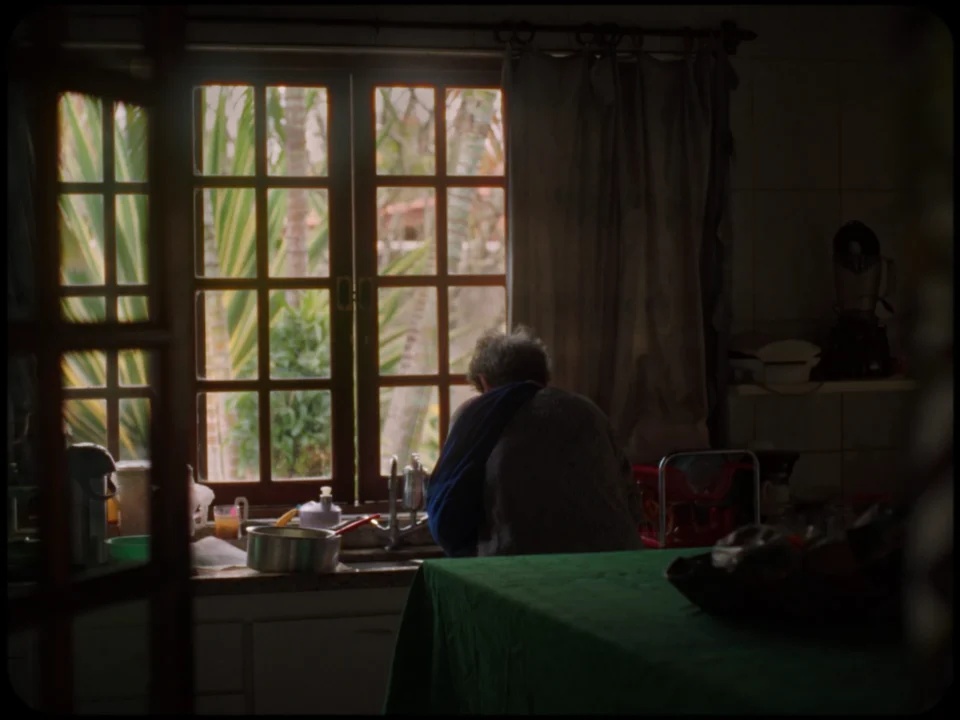
Ether (Luiza Calagian, 2025), through the perspective of a grandmother nearing her hundredth birthday, invites her granddaughter to delve into her past in an attempt to find answers. Memories demand nothing and are not a burden the granddaughter must bear. This is the grandmother’s way of preparing for her own passing. While memories are usually passed down from elderly to younger generations as a burden, here, memories instead become the grandmother’s personal provision. When she speaks, the granddaughter listens. When the grandmother is silent, the granddaughter continues to listen, not filling that silence with meaning. Some memories remain entirely the grandmother’s own. This film shows that a memory that does not weigh heavily is one that knows when to stop interpreting.
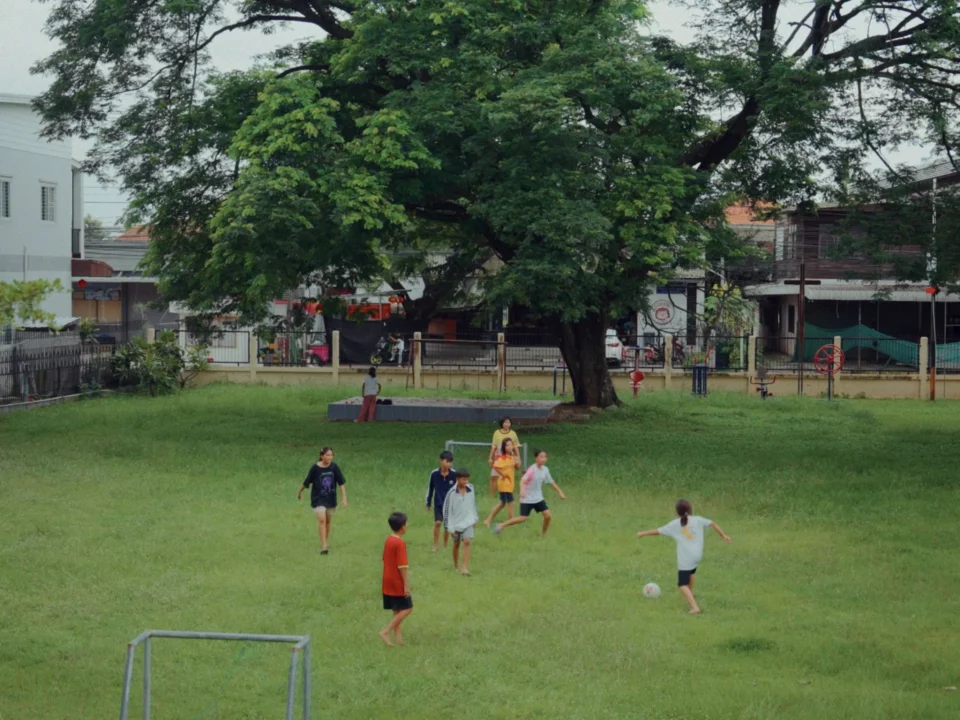
From the silence guarded by a person, if we remember, will God forget? (Chanasorn Chaikitiporn, 2025) shifts to the silence guarded by a place. A church in Udon Thani once served as a recreational space for American soldiers, a daycare center, an orphanage, and later became an Evangelical church. Not all of these layers have been documented. This film gathers accounts of memories from various generations about that place and does not treat them as facts. Memories are presented as both possibilities and questions. Children who imagine the future of that place shift memories from matters of the past to matters of the future. This approach carries its own risks. There is a doubt that acknowledges a memory cannot yet be confirmed, and there is a doubt used to negate the event itself. The two may sound the same, as the film offers no way to differentiate them.
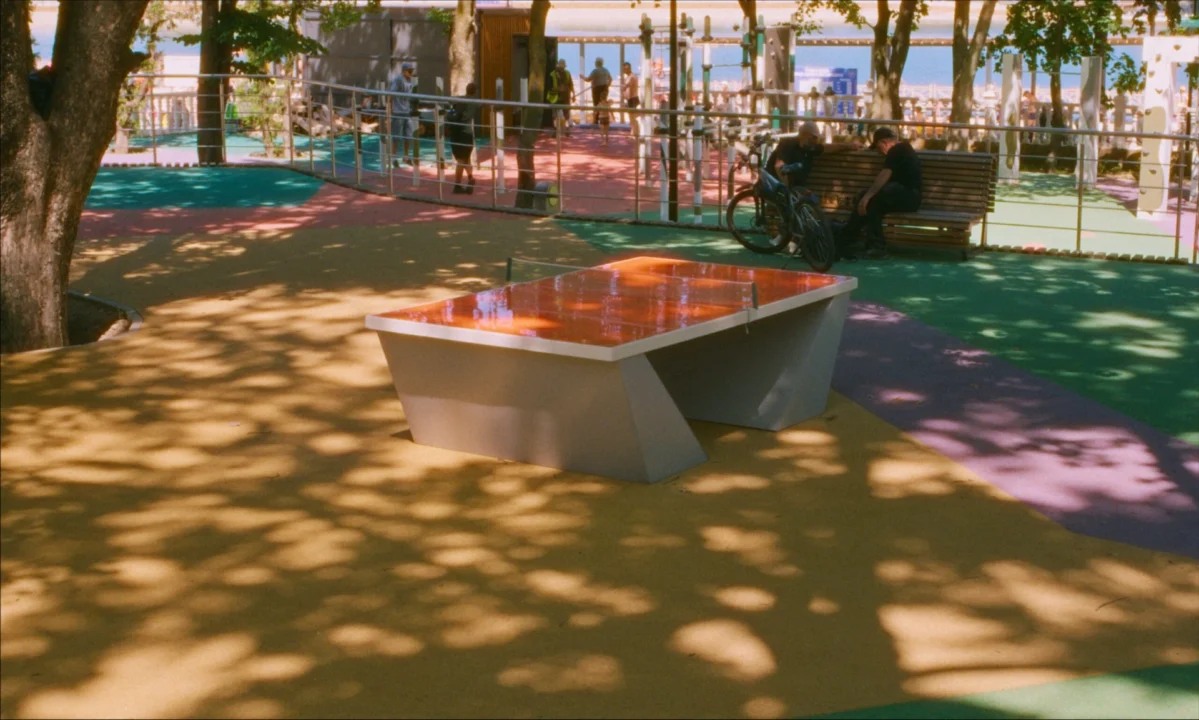
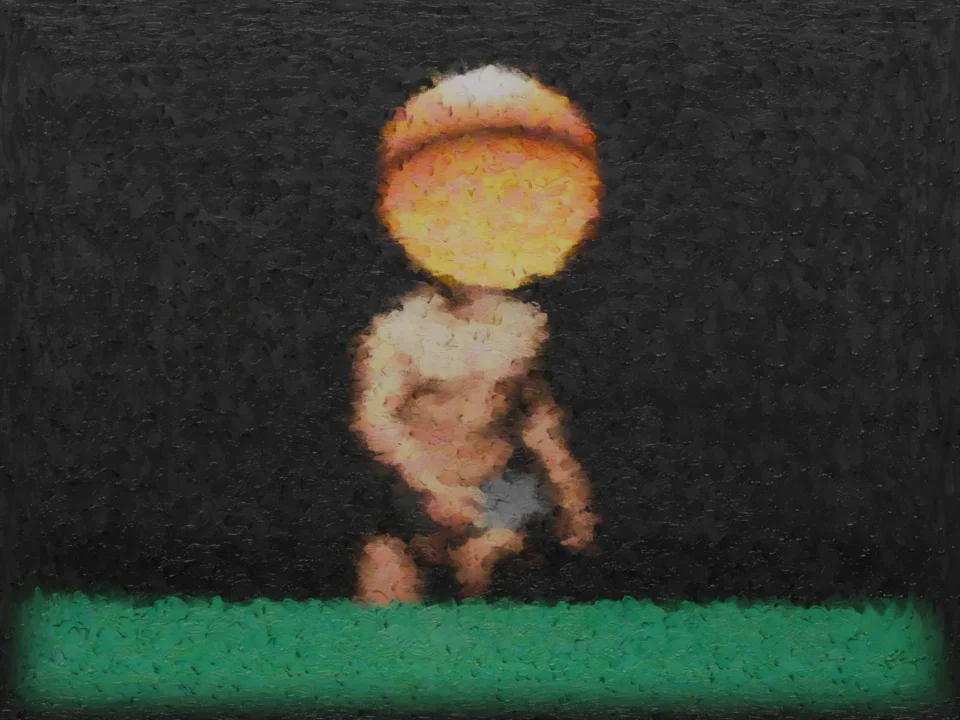
Ping Pong (Tianji Yu, 2025) takes the opposite approach. Memory is used to pass judgment, acting as the judge’s gavel. Memories of a close friend emerge through an object, only to be suddenly shaken by a social media post revealing the friend’s political stance. While other works reject memory as fact, this film portrays a determination to seek absolute certainty about who the friend truly is based on a single piece of evidence. When that certainty proves elusive, memory instead brings the viewer back to the journey of their friendship—a journey in which emotional bonds and political views were, in fact, never truly separate. The stakes are clear, and they lie not in reconstructing the past, but in saving the friendship that is still unfolding.
The films in Dear Memory program emphasize that distancing ourselves from how apophenia operates is not an attempt to suppress the human impulse to construct meaning. This means we need to bring that process of meaning-making into the present. When memories—whether sequential or merely linked—are repurposed as instruments of justification, the issue is not the extent to which those connections are historically accurate. This program invites us to distance ourselves from the desire to interpret and exert control over the past. At this point, the tendency to establish connections is no longer merely a mental reflex. There is an ethical stake at play, a provocation that every pattern we construct in the name of historical truth always demands direct accountability from people living today.
— Gerry Junus
Programmer
Programmer
Gerry Junus
Gerry Junus
Gerry Junus is a curator and film programmer who currently serves as Program Director of KDM CINEMA, an alternative cinema initiative in Yogyakarta, Indonesia. In addition, he is also the program coordinator for Festival Film Dokumenter while organizing screenings with Klub Sinema Sisifus Salatiga. Gerry also conducts research on film festival practices and Southeast Asian cinema.
Item 1
Program Note
Music These Days
Today, we are living in an era where art has reached its unprecedented heights. The evolution of ideas, methods, tools, and even their practical applications…
Music These Days
Today, we are living in an era where art has reached its unprecedented heights. The evolution of ideas, methods, tools, and even their practical applications has become an integral and inseparable part of human life—so much so that art is often viewed as a threat to those in power. In popular culture, art has also become a primary means of projecting an image to society and has even become a common tool for making a living. Art is us. If humans are social beings, then art is the social particle within them. So, what is worth exploring when discussing music in contemporary documentary films?
As part of art, film and music have also become ingrained in our daily lives. They are present when we wake up every day. Sounds and moving images come and go without us even needing them. They are created by people we know and by strangers alike. This includes artificial intelligence, without exception. They are brought to us by the very nature of our daily lives, supported by the software we pay to subscribe to. In everyday life shaped by art like this, discussing our lives becomes incredibly engaging—all while filming and singing. Film and music are inevitably implied and created when we ngudarasa (vent our frustrations, ed.). Just like when we discuss the President’s speech with a professional basketball player while playing basketball.
The two feature-length films in this program invite us to break free from preconceptions about what music in film is and how it functions. They present life stories through footage of daily activities interwoven with subtle musical interludes. The films are recorded just like any other ordinary activity we engage in every day. Music appears only when it is truly needed within the story being told. There is no aesthetic agenda. There are no songs reviewed. There is no urgency to highlight the significance of music in recording one’s life. We are invited to immerse ourselves in understanding the life experiences of dear friends who happen to be musicians. Thereafter, we are grateful that music is embedded in the film—otherwise, we might have dozed off. Such is art these days.
— Wok The Rock
Programmer
Programmer
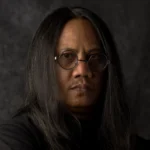
Wok The Rock
Wok The Rock
Wok The Rock is an artist whose practice spans across the fields of visual arts, sound, and social relations. He explores collaborative, experimental, and interdisciplinary work in various open and ongoing artistic activities. Wok is a member of MES 56 art collective and manages the music label Yes No Wave Music. His short documentary film, Wisisi Nit Meke (2023), won a Citra Award at Festival Film Indonesia 2023 for Best Short Documentary. He is a co-curator of the music platform GAUNG and currently curates the Yes No Klub stage at Pestapora.
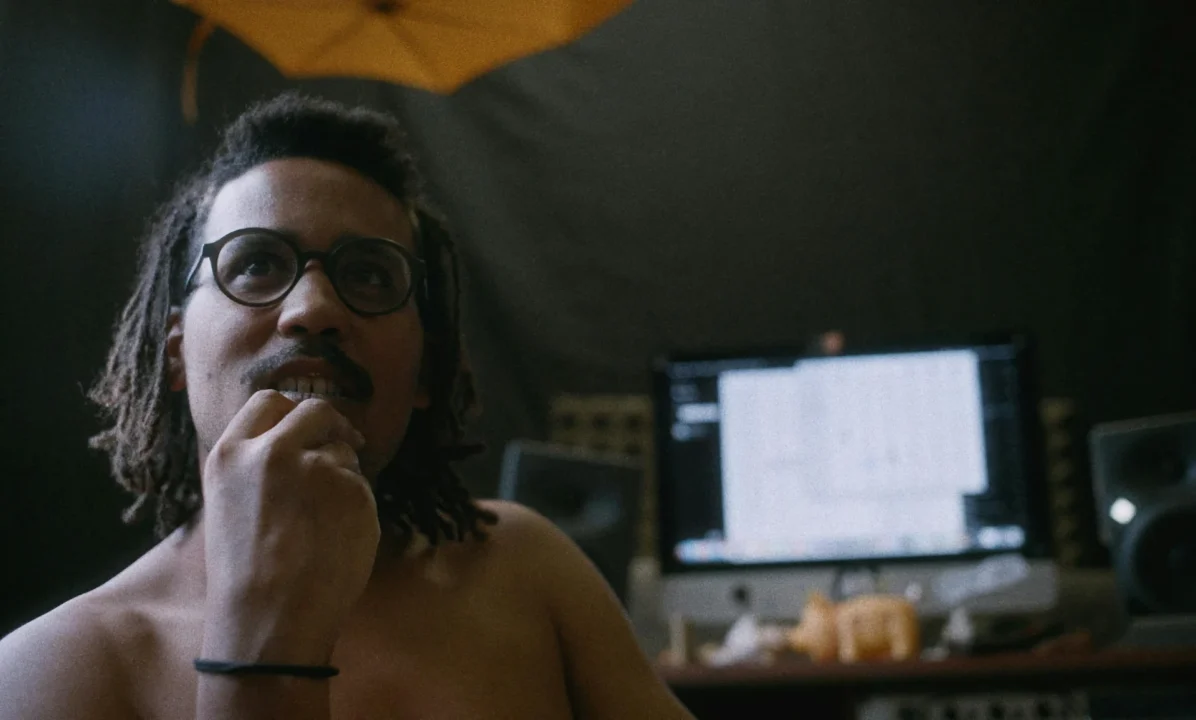
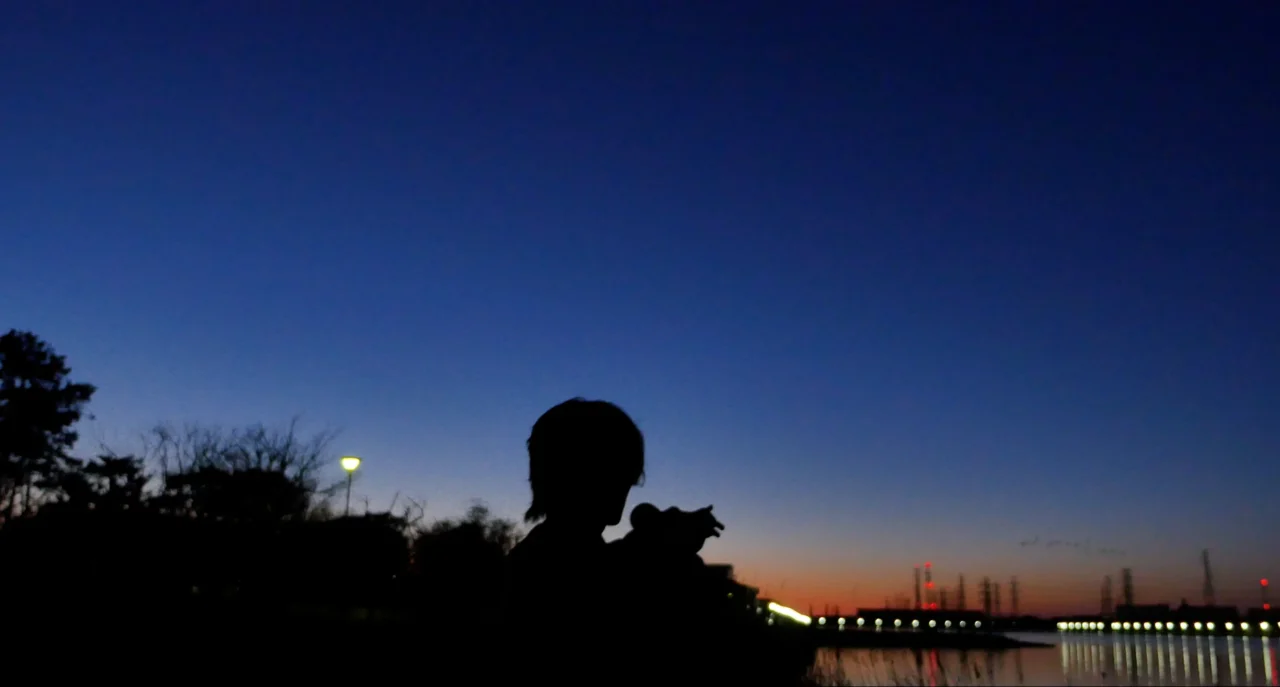
01Guerrillas in the vast jungle, through storms, despair, and tragedy. Recording the remnants entrailed in the arena of reformasi. The screen remains steady. Twenty-five rounds. We’ve tried everything we could. The nonsensical militants. Searching for the unseen. How long do we need to? Will we make it? What will it lead to? Holding on is worthless, giving up is useless. Between lunches and bullet rains. Twenty-five to one. Forward. Finding insight of the universe, whenever it may be.
Festival Info
General
- All film screenings are free.
- Registration opens at each screening venue 30 minutes before the scheduled screening time.
- Screenings are free seating, first-come first-served basis.
- Check the age rating assigned to each screening before attending.
- For feature-length screenings, doors close 15 minutes after the scheduled start time.
- For shorts compilation screenings, late entry is permitted between films.
- Latecomers may not be guaranteed entry.
Please Do…
- Arrive on time.
- Be considerate of other.
- Stay open to things that may differ from what you’ve known.
- Ask our doKRUmenter (festival team) at our venues if you need assistance.
Collaborating Artist
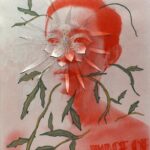
Yudha Kusuma Putera
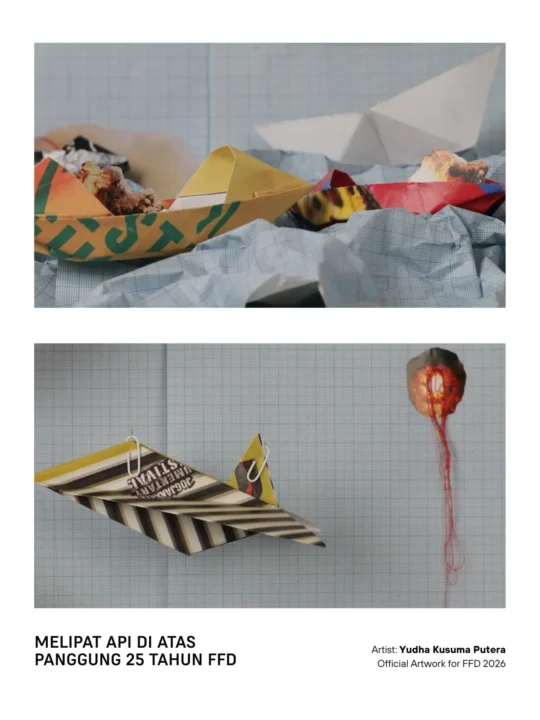
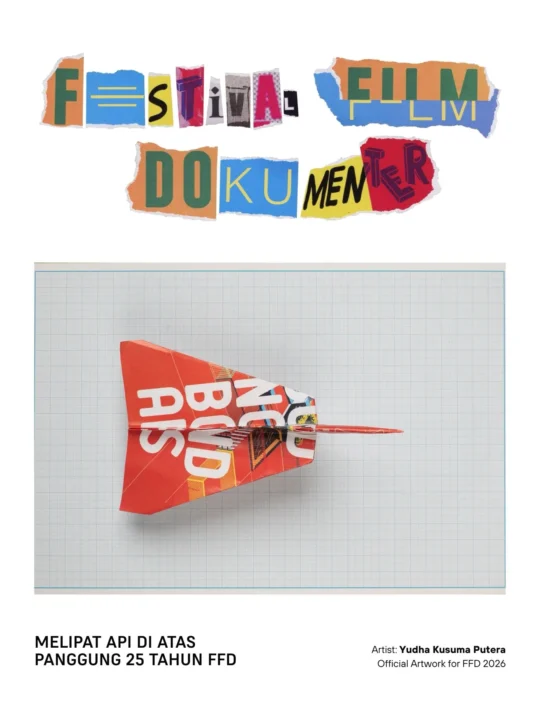
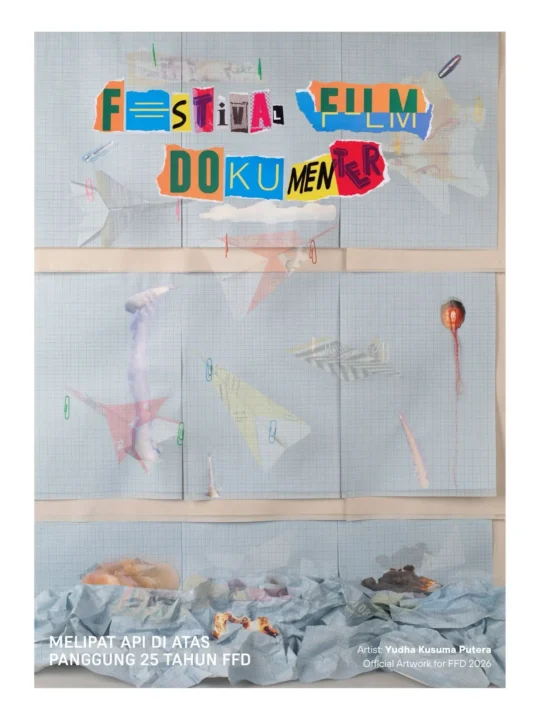
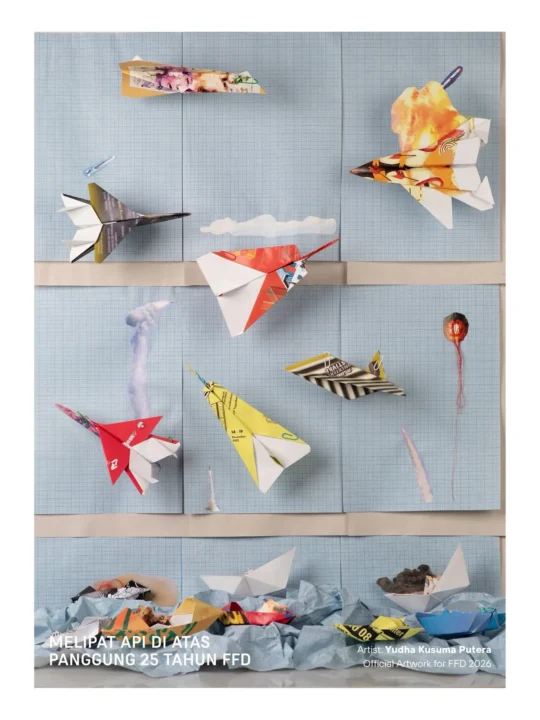
Folding Fire on the Stage of FFD’s 25th Commemoration
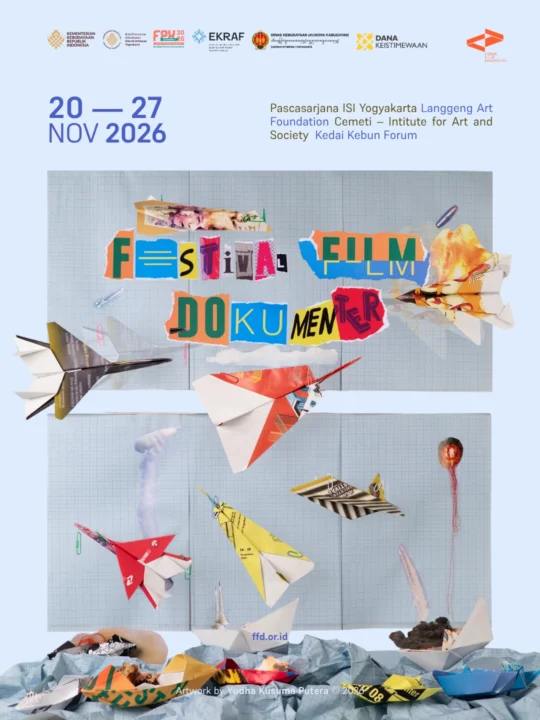
This year I received an invitation from Festival Film Dokumenter (FFD) to respond to the archive of past FFD posters by using them as collage material and then creating new images from them. Initially, I found it quite challenging because each FFD poster’s design and typography, year on year, had a different theme and character. After considering the visual possibilities, I opted for the origami method as a way to combine fragments of the poster archive into three-dimensional forms and rearrange the result as if designing an event.
As a documentary festival, it is crucial to choose themes that are topical and relevant to today’s world—news about war, death tolls, collapsed buildings and rocket launches are things we frequently hear about and consume. In an effort to depict this situation, I chose origami forms of aeroplanes and ships, combined with a collage of rocket launches and plumes of smoke arising from explosion effects. I opted to use millimetre grid paper—the sort we typically use for drawing world maps—in an attempt to provide a geographical representation of a place. This scene was designed and created from the perspective of a child playing God in a world of their own imagination.
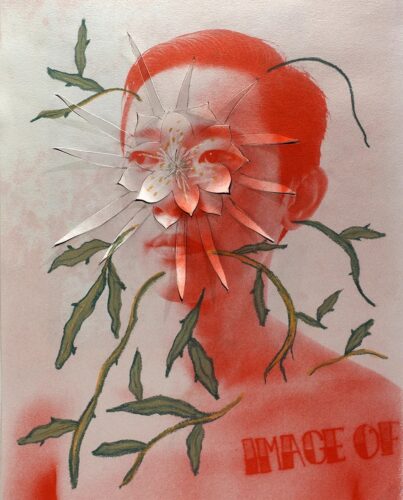
Yudha Kusuma Putera
Yudha Kusuma Putera (Magelang, 1987), commonly known as Fehung, is a visual artist who lives and works in Yogyakarta, Indonesia. In 2011, he began working together with the MES 56 artist collective, which focuses on the development of contemporary art photography in Indonesia. Fehung is interested in interpersonal relationships and the close and intimate relationship between humans and nature. Photography is used as a way of thinking and seeing, giving rise to the possibility of cross-medium and cross-disciplinary works. Starting from the pandemic in 2020, and the impossibility of physical contact, Fehung directed his work towards studio-based works. Studio work allows Fehung to explore the world of materiality and analog work. Fehung’s artistic practice today elaborates the relational aesthetic methods that he often practiced in the past and the studio-based work that he has begun to pursue in recent years. Fehung believes that everyday life is the main inspiration in his work. Complex everyday life cannot simply be embedded in a certain style or art language, making his work change and develop over time and as his living space moves.
Presented by


Festival Partners




Program Partners