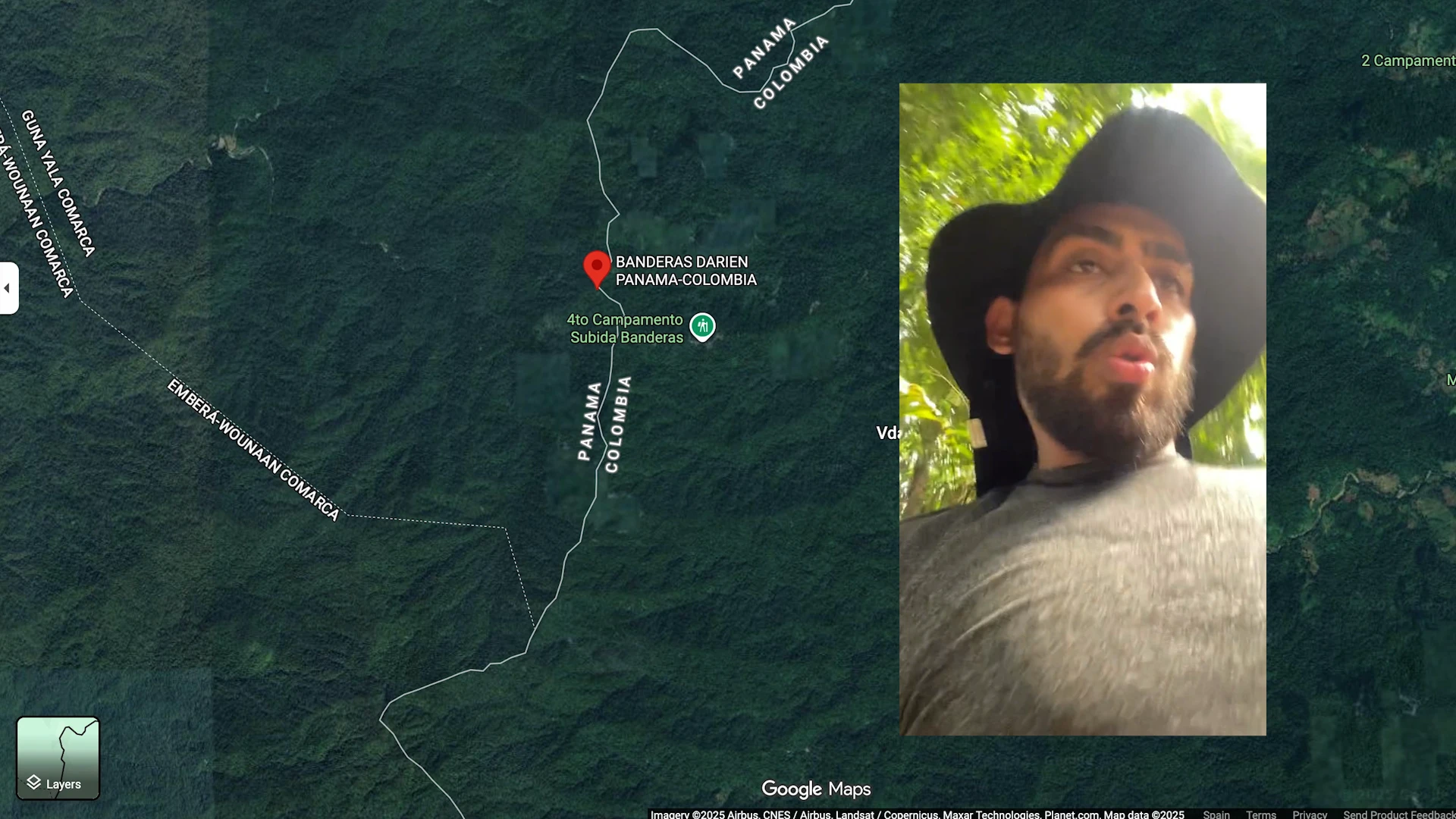
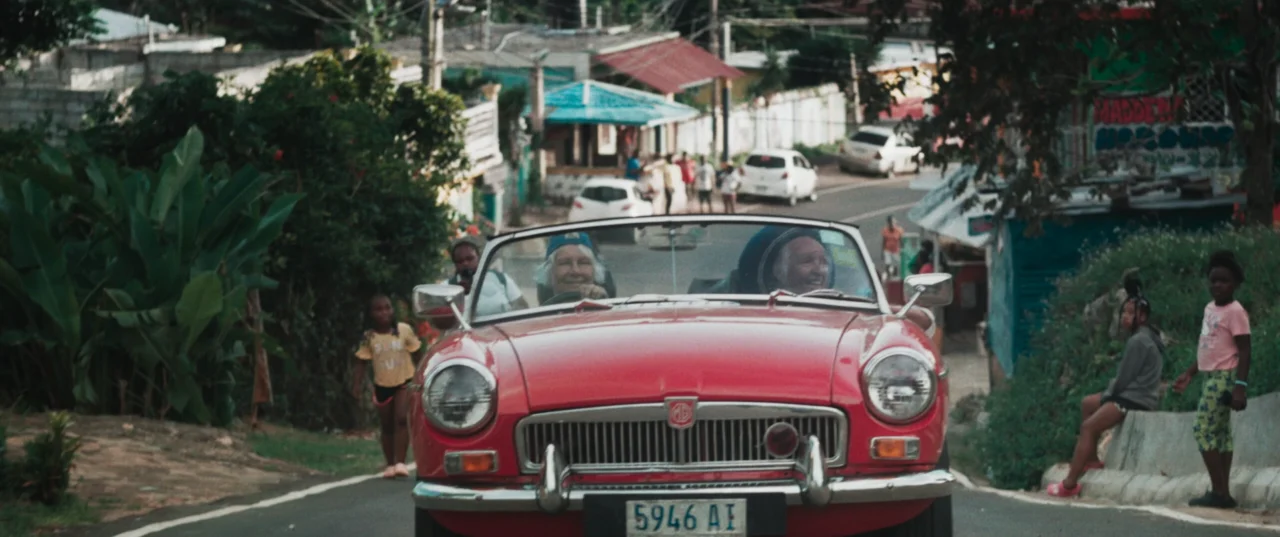
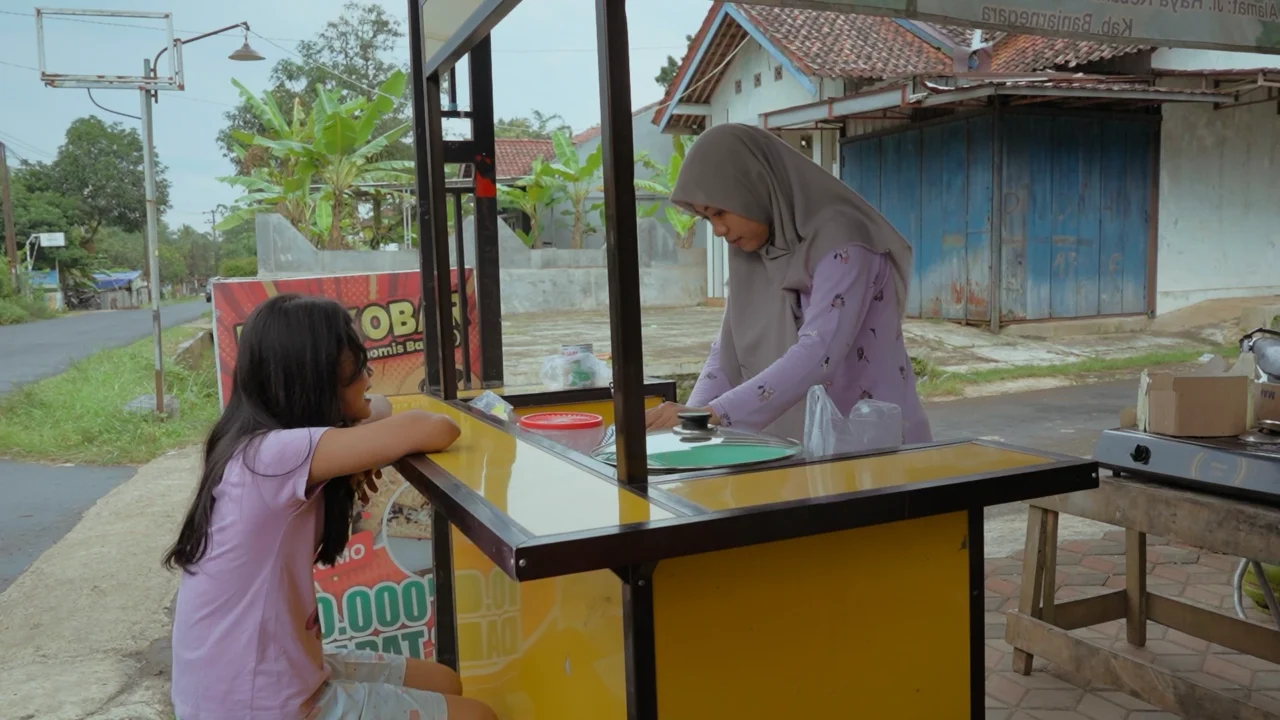
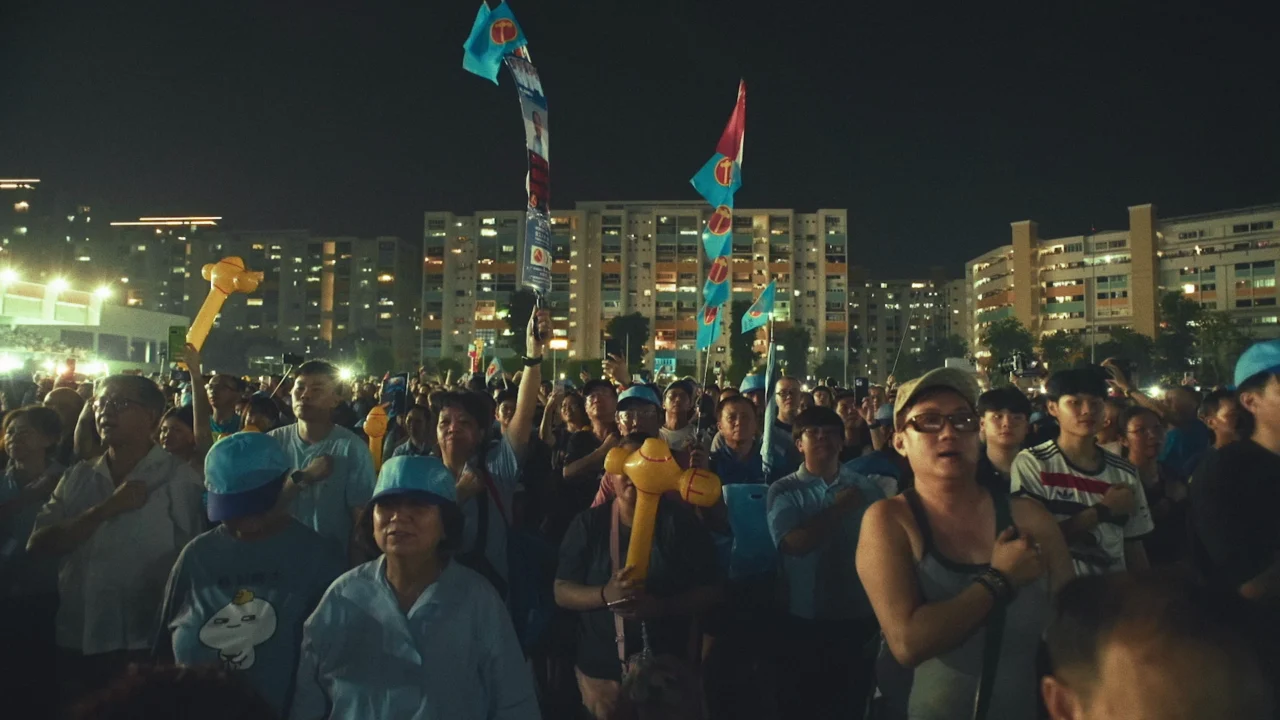
There are at least two ways to interpret cinema: as a language and as a medium. As a medium, its potential is truly extraordinary. This was particularly evident when the camera was first invented; all forms of experimentation based on it can be seen through the use of the camera to express humanity. In the digital age, this potential has become even more democratic. Now that this medium is no longer centralised and widely accessible—both economically and technically—many people record whatever represents their individual expression. Coupled with exhibition channels now linked to social media, its use is simultaneously a celebration of the individual across diverse cinema cultures.
The concept of the individual within cinema itself is one of diversity, not in an essentialist sense. This diversity stems from the ease of using the medium of cinema itself, where depictions of the individual are reflections of the everyday life that surrounds them. From this, the significance of common life becomes crucial to interpret. For, alongside complexity and spatiality, the way the individual acts as an agent is also influenced by the spatial landscape as well as the medium itself—along with its complex narratives—thereby making personal experiences varied. The snapshots of common life in the films in this program, whilst occasionally employing conventional cinematic language, capture the unspoken as they transform it into something spoken. Set against the backdrop of a fluid digital cinematic medium, it is the very power of everyday life within it that subsequently broadens and diversifies our human experience.
— Akbar Yumni
Programmer