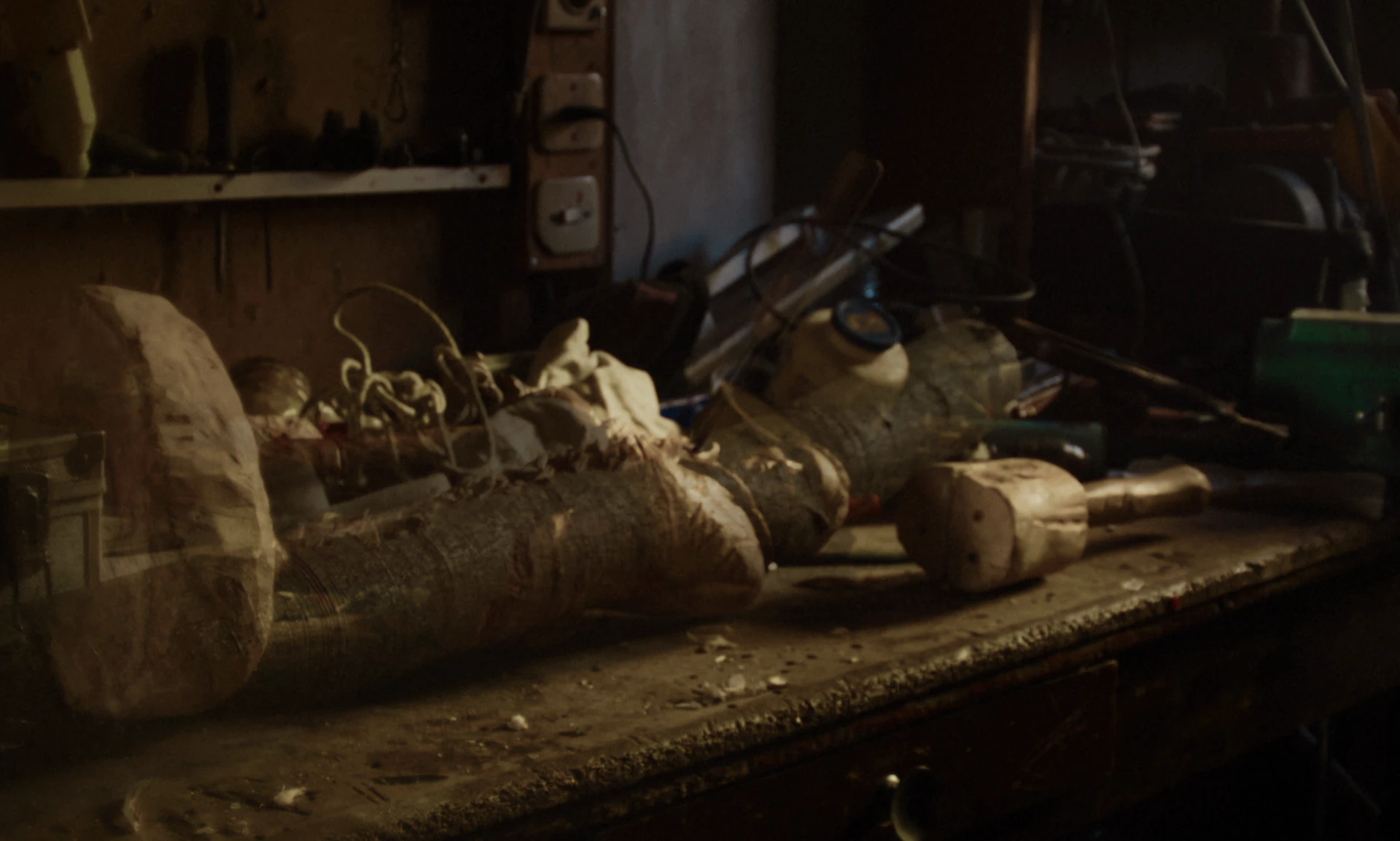
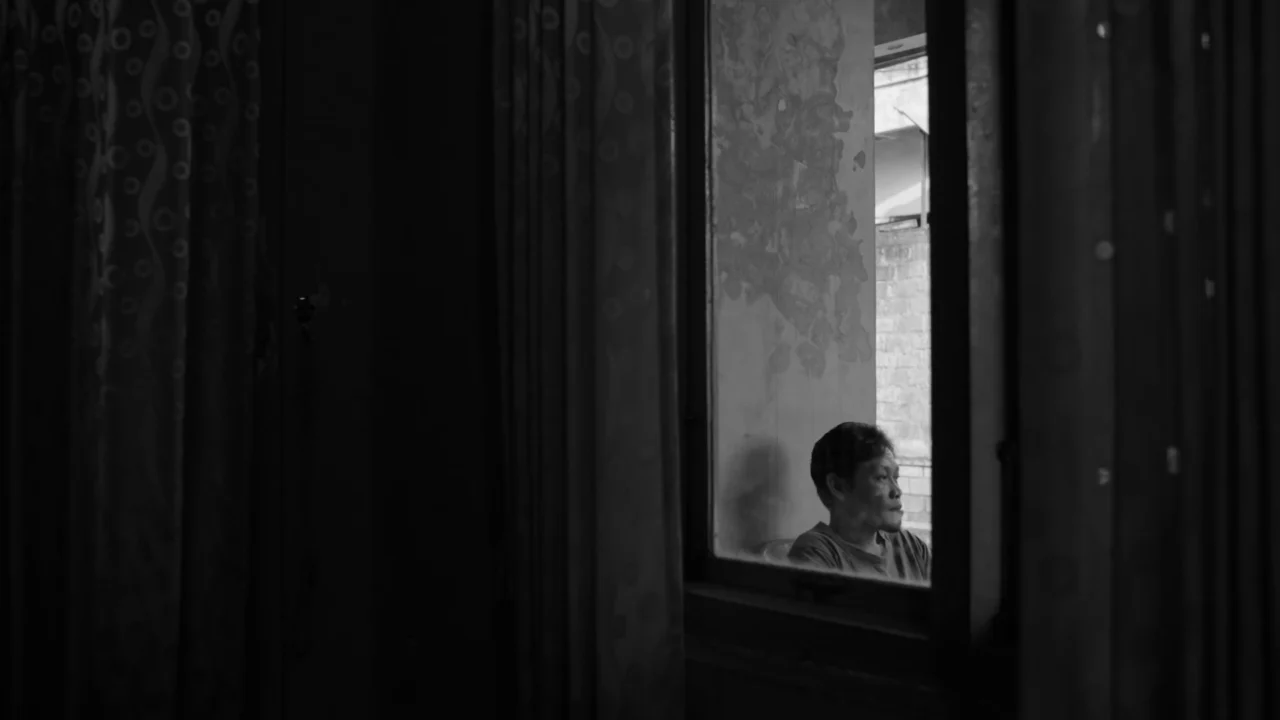
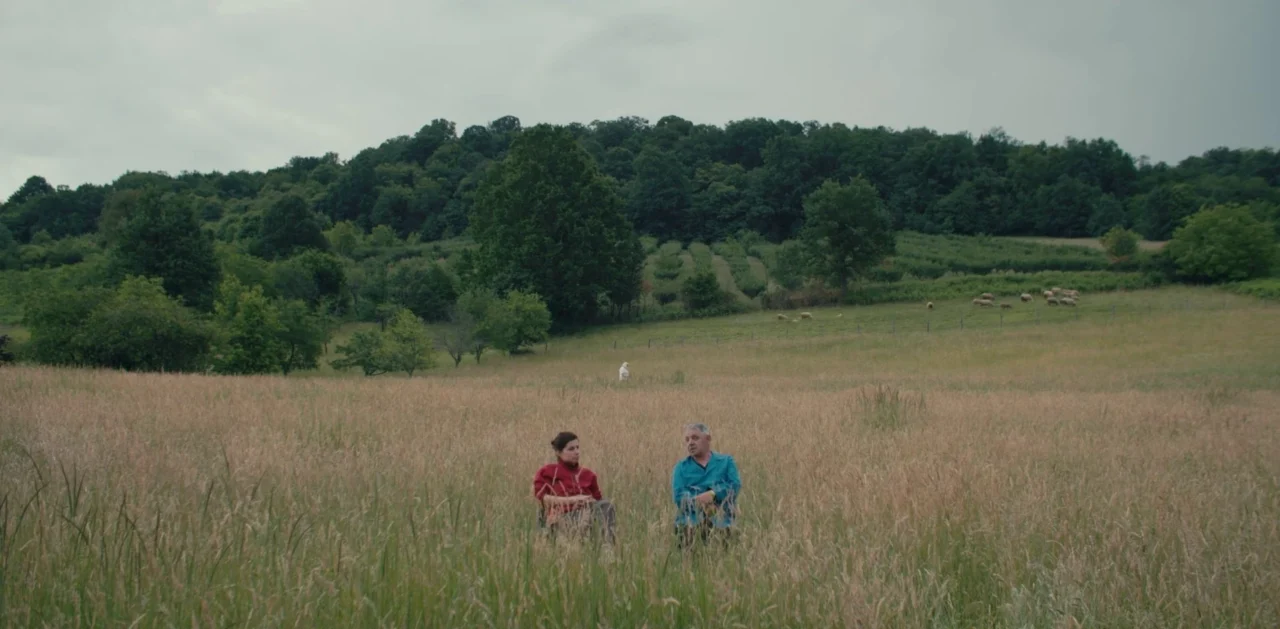
Where does love lie in capitalism? The featured films in this programme capture routine; the acts here are not rehearsed in the typical way an actor would for a narrative, nor are they found through spontaneity. Rather, they are the result of a thing repeated, day over day, month over month, year over year. Work that begins with the locomotion of one body, making its mark on the material world immediately in its vicinity, then on the people around it. The labor flows outward, with each repetition enacting change, little by little, until the laborer has completely transformed everything around them. Time grows the spiral outward, while documentary film traces each frame back to the center.
Each film starts with a person whose work has a profound effect on their own bodies. The subjects’ bodies are delicate and worn. They, like everything around them, change too. At the innermost circle around them is their family and fellow workers. The observers, daily documentarians of the subject at work. A step further from the center is the laborer’s environment. The cinematic landscape can only frame a fraction of what the laborer shapes; bursting and spilling out of each border of the screen is a place molded by the laborer in the shape of their ambition, sorrows, melancholy, comfort. The audience sees the shape from above or outside, a form which guides the viewer to trace their fingers round and round as if to feel heat radiating out from a glowing hot center of the spiral.
To document the laborer loving, remembering, and creating is resistance. In order to contextualize the worker as not merely a cog in the machine or as valuable as their economic productivity, documentary cinema situates them as spirals intertwined, like unruly vines that tangle with everything around them. The worker does not become merely an object of productivity. They become the mother, artist, artisan. The lover, custodian, memory-keeper. Labors of love as resistance in the face of capital.
— Jetri Bolintiam
Programmer