What can we learn about the past and the lives of others through the lens of a camera? This question serves as the common thread among the films in this year’s Indonesia Feature-Length Competition. While each film addresses a different concern, they all demonstrate that images always hold a significant role and importance in portraying reality.
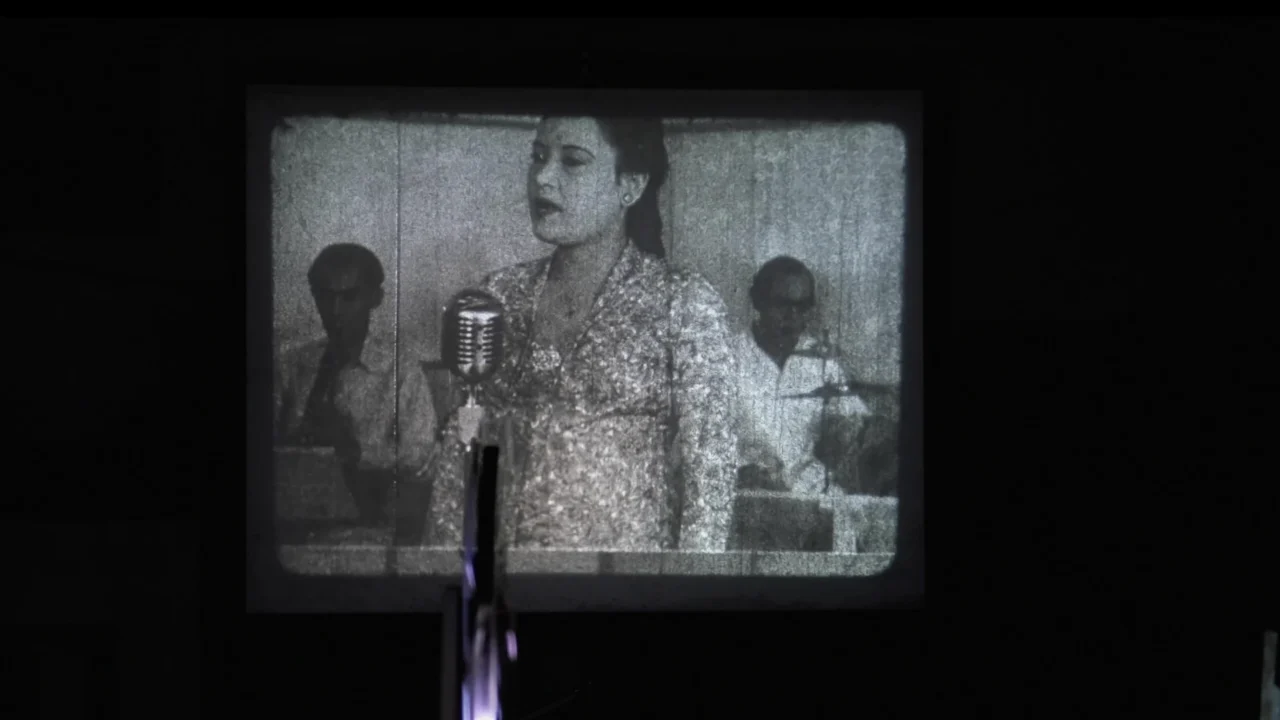
Films that work with archival footage reveal that history does not simply emerge from recordings of the past. The selection, arrangement, and contextualization of images determine how an event is reinterpreted. The relationship between images and history also emerges in a film that explores the life of a gemblak following the events of 1965. While narratives about political violence often stop at the events and their immediate impacts, this story draws attention to the lives that continued afterward. History is present in human experience, even when that experience rarely finds a place in public memory.
Other films expand on this issue through their use of camerawork, sound, duration, and technology. The camera can alter the events being recorded, while certain stylistic choices place the audience in an experience that is sometimes uncomfortable.
From archival footage to firsthand observations, from political history to everyday life, this year’s Indonesia Feature-Length competition demonstrates that documentary filmmaking always involves decisions about what is recorded, how images are constructed, and whose voices are represented in the story—and that the reality captured on camera is never entirely separate from the way we perceive it.
Selection note is written by Eric Sasono
Selection committee: Eric Sasono, Alia Damaihati, Ratno Hermanto, Kurnia Yudha F.
General Note on 2026 Competition
Documentaries do more than just preserve; they also open up possibilities for what has yet to be discovered. Some films seek to explore lingering issues or experiences that remain absent from our collective memory. Others venture into a future we cannot possibly imagine. Both stem from the same anxiety about the present. Through this interpretation, convergence depicts two times meeting, and culmination depicts what must be endured to end the postponement of neither dwelling on the past nor waiting for the future.