“Not yearning to belong to what we have, but yearning to be longing.”
— Jemma Desai (2023)1
To whom do we belong? What do we long for? What do we owe to ourselves, to each other, and what is owed to us?
These five short films chart a journey of reckoning with selfhood and identity as we grow into and beyond the bodies that are our first homes and the cultures we are born into. Through exposure and experience, as our consciousness grows, we acquire vocabulary to articulate our desires. With body language, conversation, imagery, and soundscapes, we communicate across temporal, geographical, and emotional distances, with hopes of being seen, understood, and welcomed. Each effortful expression of what we long for brings us closer to living it—to feeling a sense of belonging to ourself and our communities.
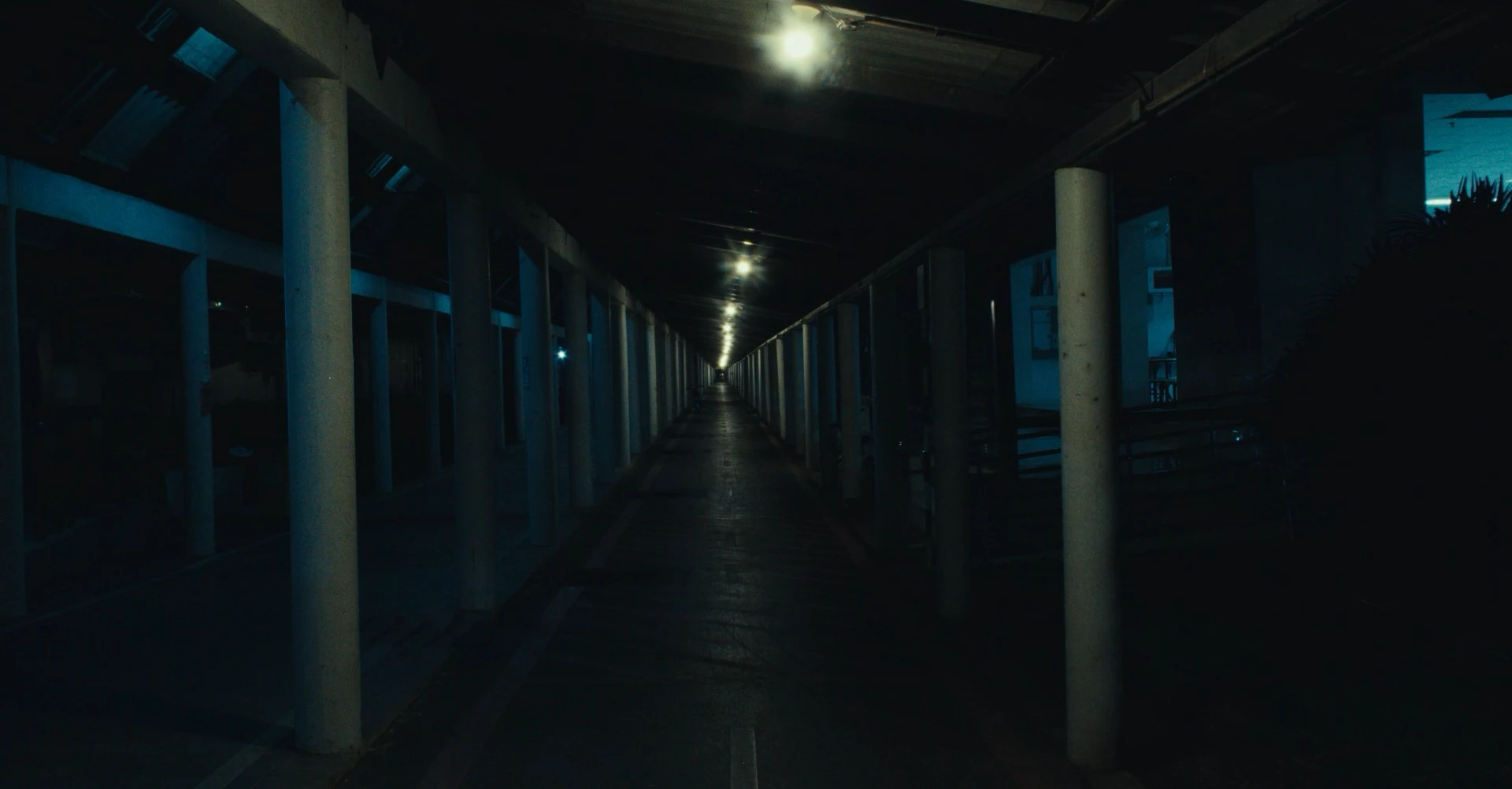
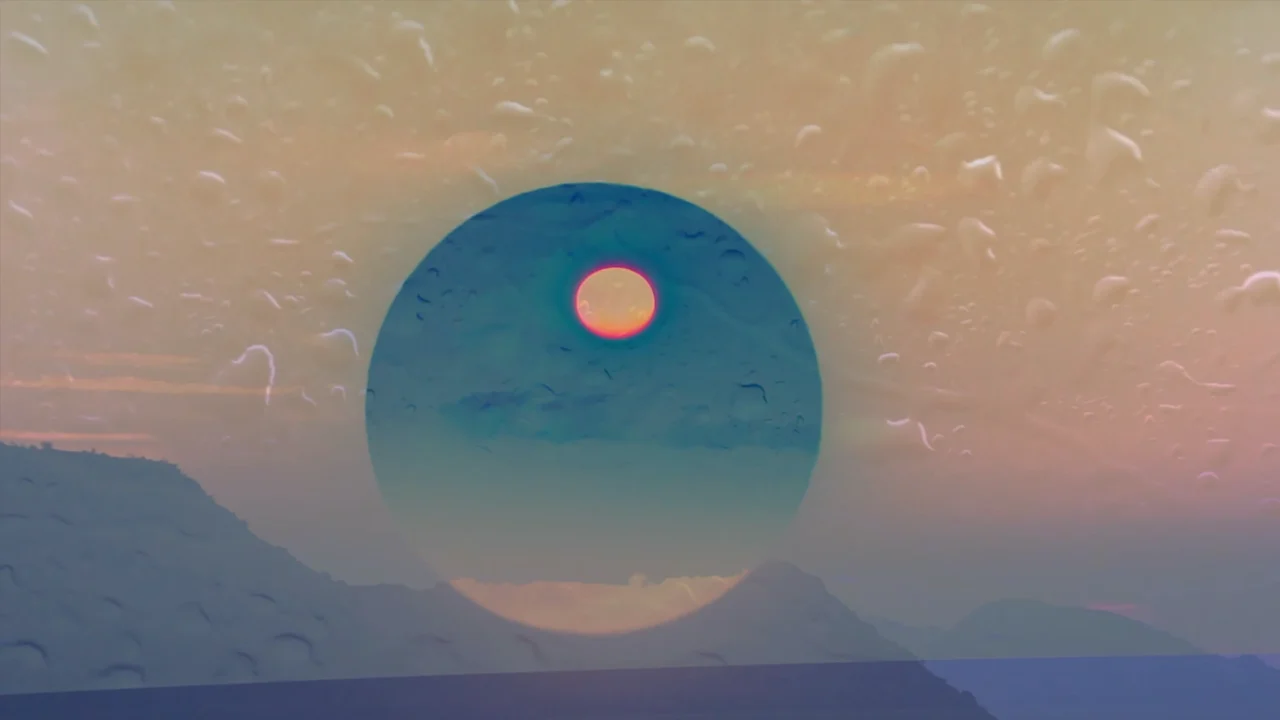
In the atmospheric and polyphonic Latex Labyrinth (Wey Yinn Teo, 2025), the lush Malayan plantation witnesses and endures the repeated gestures of rubber estate workers and communist guerrillas who inhabit it. Nature both provides for and protects the subjects of colonial imperialism who become complicit in inflicting violence upon it. Suffering and resistance that are not spoken about are inherited through embodied knowledge and generational trauma.
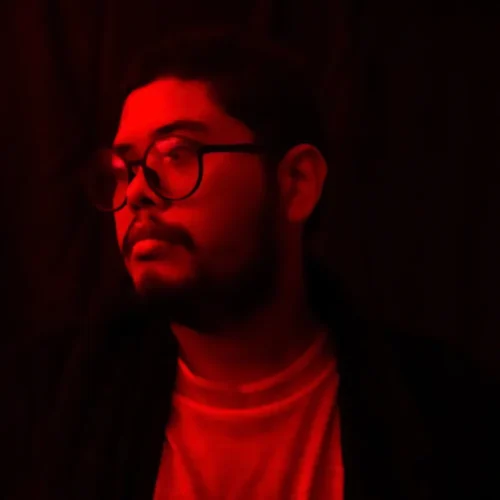
A culture of silence is intentionally broken in Rahhala: Hayya ala Hayya (Lujain Jo, 2025). Fragmented but clear-eyed memories of the prolonged domestic violence endured by the filmmaker and her sisters are overlaid upon elemental imagery of nature’s power and cyclical renewals: the change of seasons, the phases of the moon, life and death. Critiquing the inadequacy of justice as a concept and the hypocrisy of religion as justification for abusive behaviour, the filmmaker embraces the liberatory potential of living in attunement with nature, with freedom of movement, sustained by the care and goodwill yet present in humanity. She quotes the verse “You presume that you’re just a small body but you contain the entire universe.” Self-preservation is paramount; we are worthy.
The narrator of The Land Where Ghosts Could Speak (Tianhui Wu, 2025) processes through dialogue with their grandmother, materials from family and state archives, and sleep-talking a separation in childhood from their nuclear family that led them to reckon with their sense of belonging. What does it mean to look like those around you but to know that you are different from them? To know that your voice cannot sing in unison with theirs? How will we then be remembered?
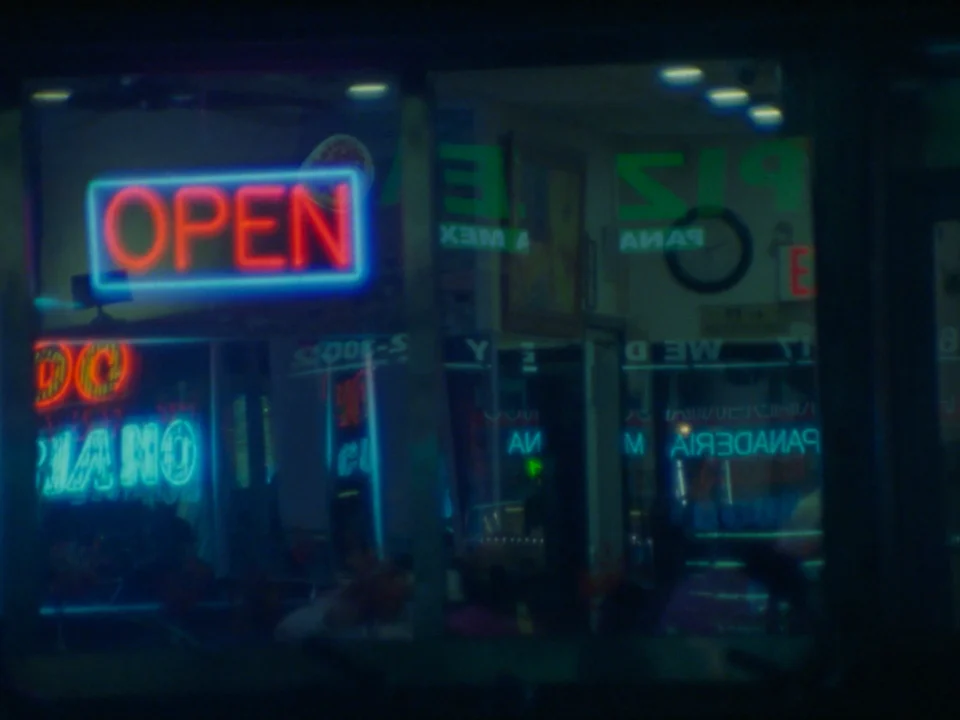
Your City (Ting Su, 2026) juxtaposes surreal, emotionally detached visuals of anonymous bodies moving through cities with an intimate, introspective phone conversation between two queer voices reaching out to each other from Shenzhen and New York. The climate crisis, pandemics, and rising tides of xenophobic sentiment and policies render migrants especially vulnerable. As urbanisation intensifies and social attitudes regress, we are left stranded in a state of stasis. Adrift, we claim belonging—kinship, solidarity—to each other even as dominant institutions deem us illegitimate, disclaim us.
Have you seen any fireflies? (Warat Bureephakdee, 2026) opens with two university students who, in a candid interview that may be more constructed than it initially seems, rue the political illiteracy and fatalism that is rife among their peers and families. Navigating legibility is a careful balancing act for minority and/or marginalised communities, and speaking about something through its absence is one possible strategy. With fireflies as a metaphor for all that is displaced and fades away due to urbanisation, this cheerful and irreverent short is revealed as a meta-narrative about a film being made without its director physically present. The crew’s collaborative and improvisatory spirit to get the film made parallels the journey of participatory action to bring to reality as-yet unwritten scripts for the lives and societies we imagine. Celebrating kindness, friendship, possibility, and co-creation, these youth hopefully claim: “We’re halfway through now, and we’re still dreaming, with more friends along the way.”
— Aditi Shivaramakrishnan
Programmer
1 Zile Liepins, “Seminars 68 | 69 | 70,” The Flaherty, 18 August 2023, https://theflaherty.org/newsletter/seminars-68-69-70.