Documentaries, in the hands of young filmmakers, pose as vessels for understanding social reality. This practice challenges established perspectives while redefining the boundaries of cinema. Today’s youth bear the weight of ecological tensions, identity crises, historical disconnection, social alienation, and institutional pressures. These circumstances spark a sense of unease that, in turn, calls for new ways to express it. Documentary may well be a language that grows organically out of these daily tensions. Its presence remaps one’s position amidst the complexity of dominant discourse.
The urgency of the younger generation in cinema is not limited to simply identifying which issues deserve our attention. The key point lies in the effort to deconstruct the forms and methodologies of storytelling. They refuse to be confined by conventions that restrict the language of documentary to mere objectivity. This search for form reveals how the production process is transformed into aesthetic material, along with the uncertainty and subjective vulnerability of its makers. Within this fluid space of negotiation, empirical facts and perceptions collide to reweave our understanding of reality.
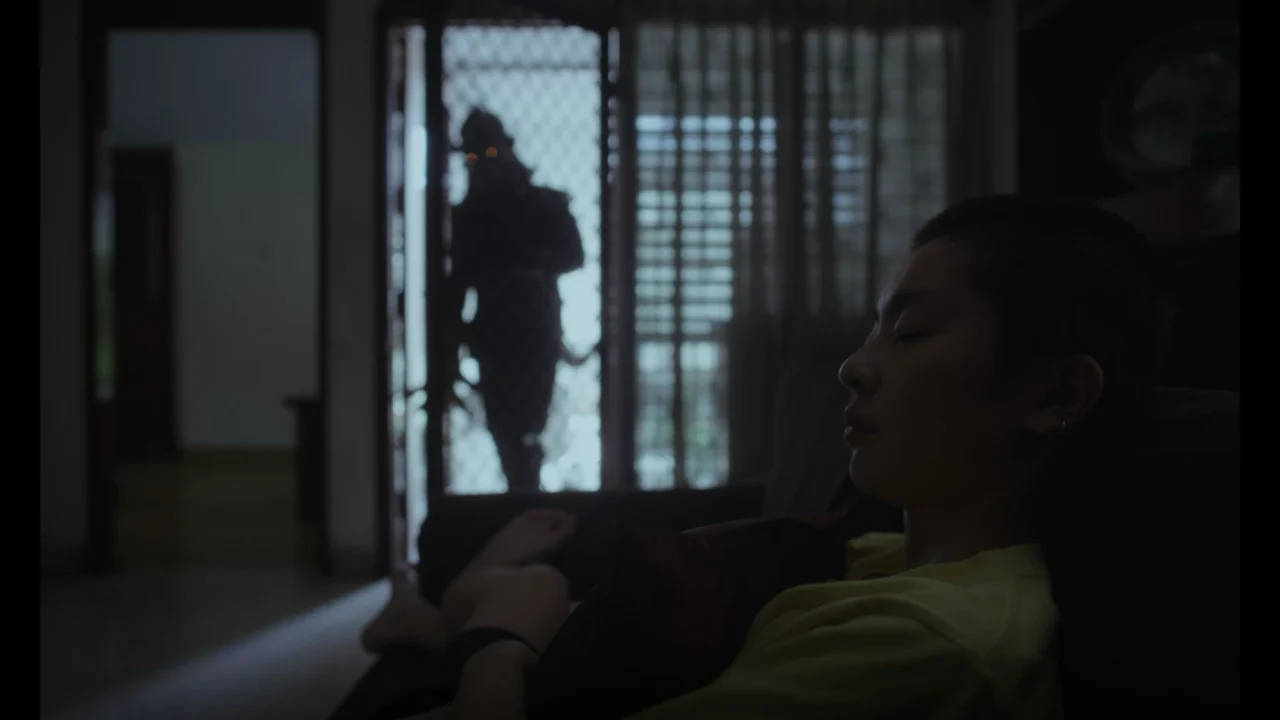
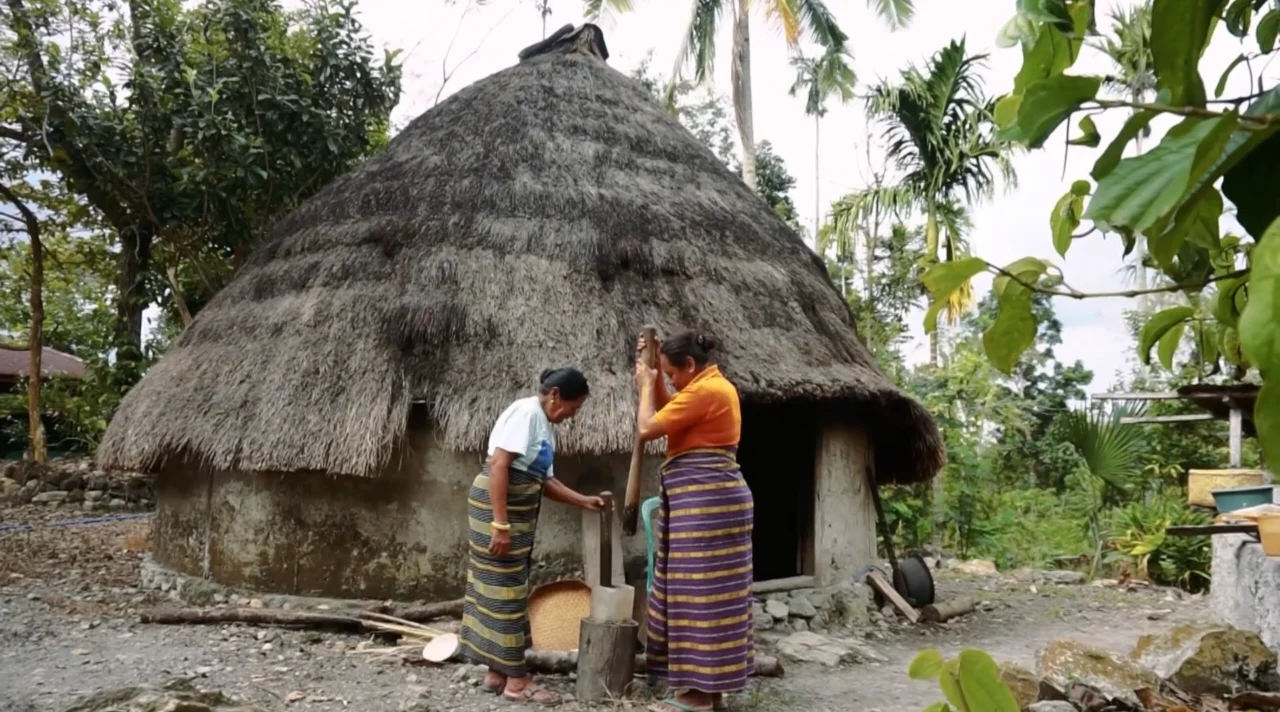
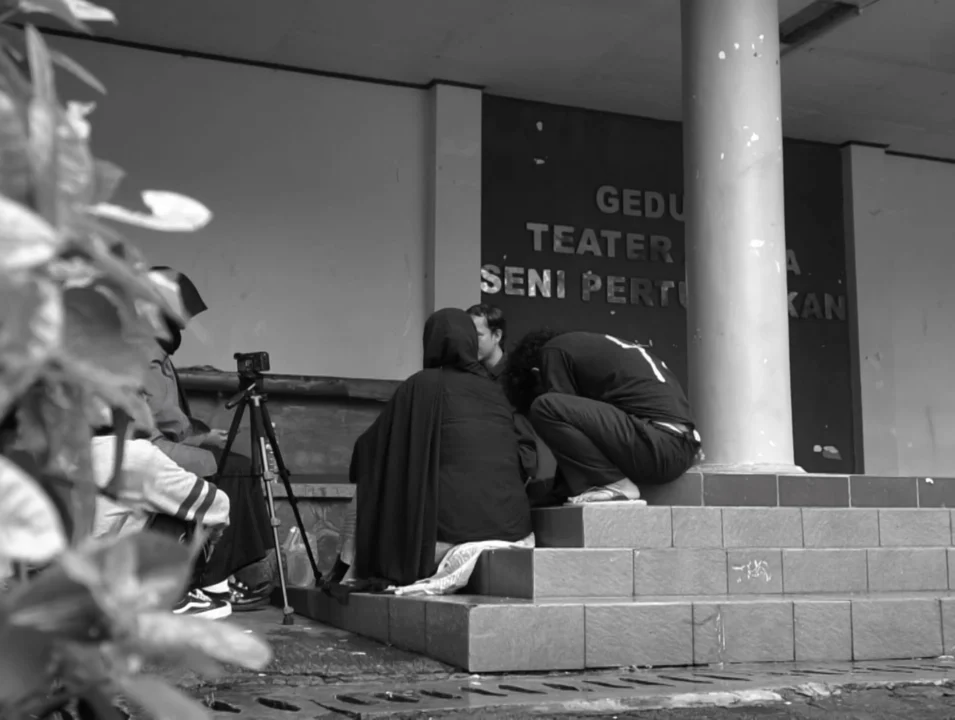
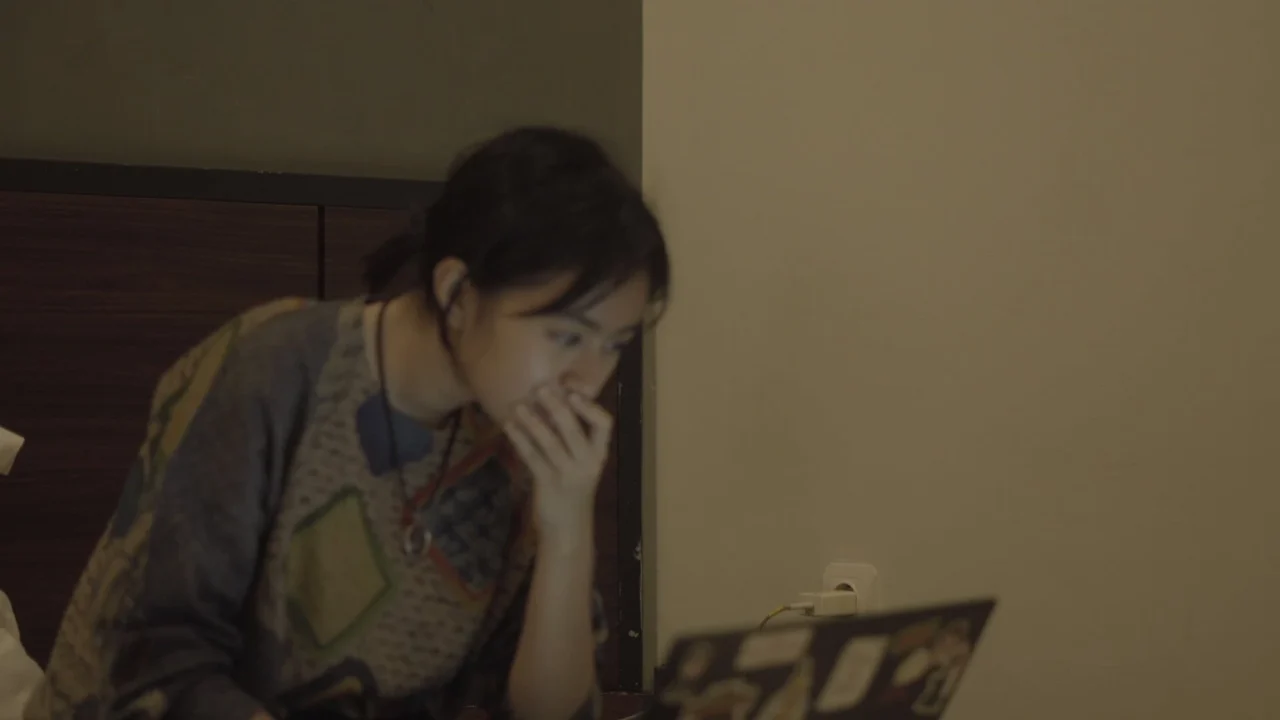
This deconstruction of methodology is evident in films that interrogate the filmmaking process itself. Why Must Be Concerned? (Risqi Widhio Saputro, 2026) uses a film student group’s misunderstanding as its primary starting point when addressing issues of disability. The resulting impasse is transformed into a reflective narrative structure. As the urgency to reconstruct this cinematic language shifts toward mapping living spaces, The Earthen Mother (Wisnu Febri Wardana, 2026) emerges through a weaving of local archives and intergenerational artistic practices. This documentary approach breaks the logic of development that reduces customary lands to empty plots.
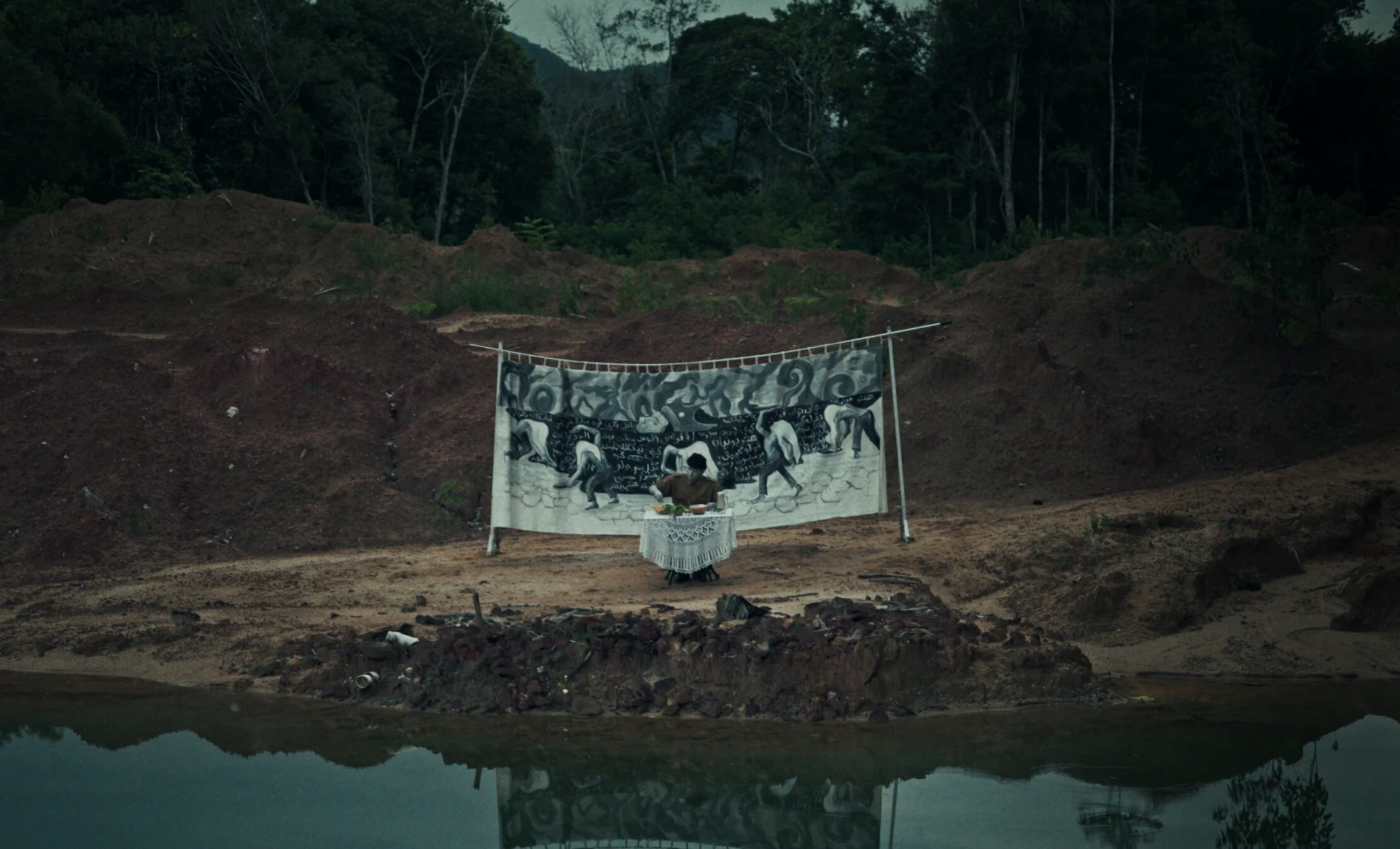
On a different spectrum, Portrait of Tin’s Family (Mochammad Legawa Allit Albandika, 2026) dissects the wounds left by tin mining through audiovisual experimentation, presenting a figurative character. This film illustrates how ecological devastation transforms into a cage for its people’s social lives. This search for form transcends the boundaries of personal memory to delve into historical roots in GECKO (Owen Effendi, 2025), which blends historical footage with poetic fiction amidst weathered family archives and living local myths. This approach captures how waves of sociopolitical history tear apart and reshape identities across generations.
To conclude the program, Then, can this be called a documentary? (Farah Yumna, 2026) reopens questions. This film adopts a performative approach to exposing the blind adherence to academic doctrine. A group of students, once again, documents their doubts and their search for the language of documentary filmmaking.
Several films in this program represent a small slice of today’s documentary landscape—documentaries that present themselves as a language that continually evolves alongside its emerging generation. Their makers do not simply accept conventional mandates as an absolute requirement for documentaries to become a timeless formula. Instead, they embrace uncertainty and return documentaries to a discursive arena—an open playing field.
— Gerry Junus
Programmer