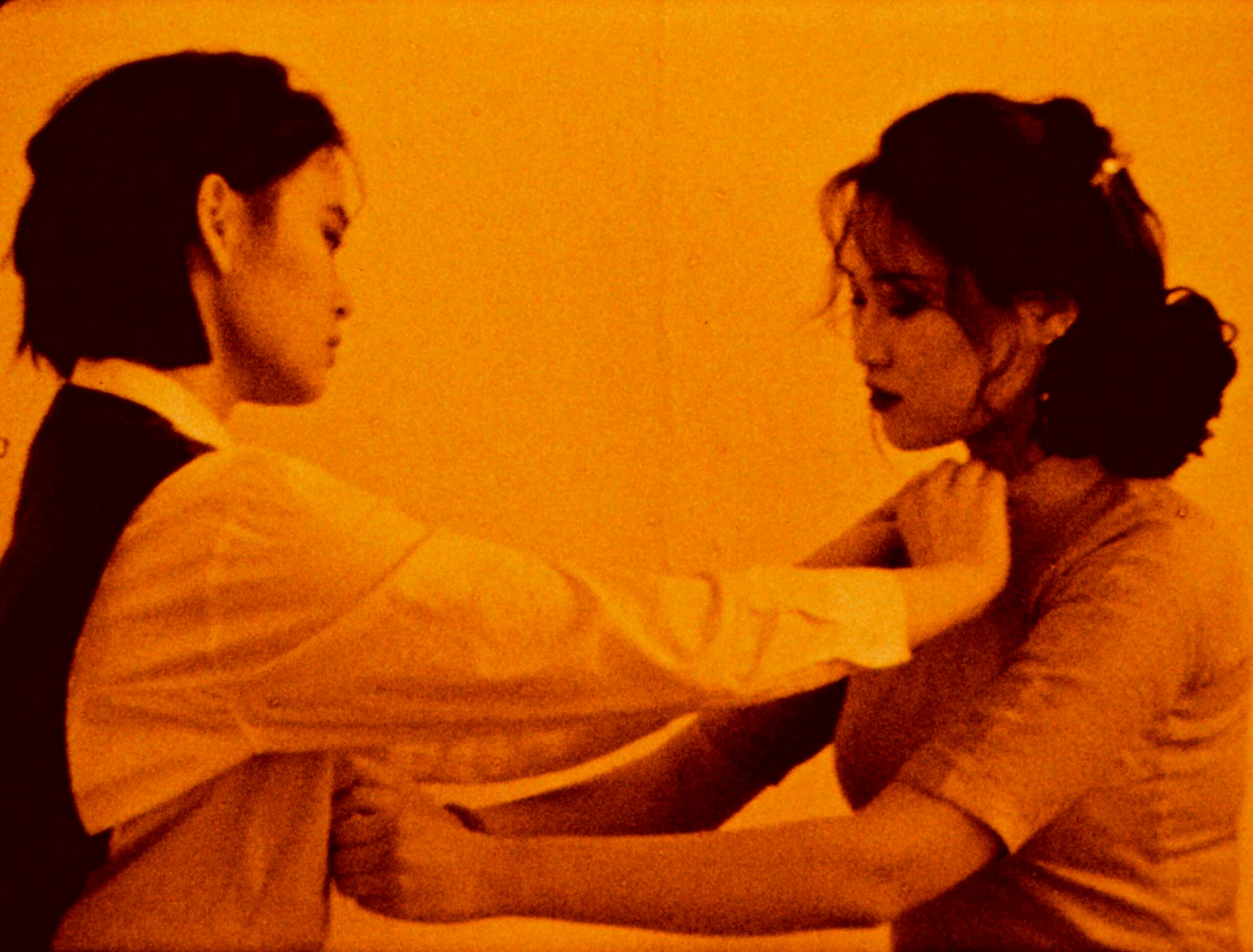
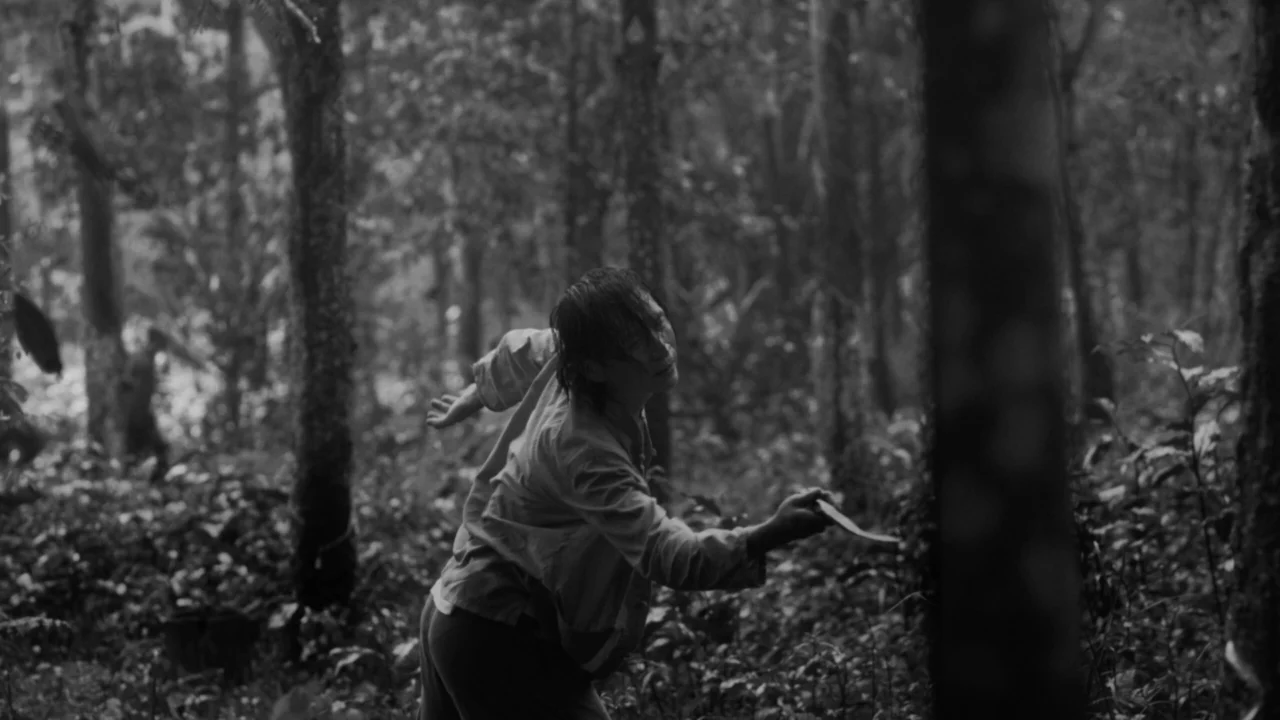
In the rubber plantations of Malaysian film Latex Labyrinth (Wey Yinn Teo, 2025), communist guerrillas emerge from the forests where they once fought British colonial power. Behind the scenes, workers carried food and money to them through latex barrels; children were taught to hold guns; stories of encounters between labourers and guerrillas were passed down, buried beneath the plantation landscape. Today, many of these plantations are being cleared for new developments.
The guerrilla is more than a historical figure. They become an affective presence: haunting landscapes transformed by another regime of power. What survives in the figure of the guerrilla is not necessarily a complete history of struggle, but its residue—a feeling of defiance, solidarity, desire, and the possibility that another world was once imaginable.
What does it mean to remain attached to a political history after its revolution has been defeated, its protagonists disappeared, and its possibilities declared obsolete? What happens when the feelings produced by struggle outlive the struggle itself?
This programme begins with what Ann Cvetkovich calls an “archive of feelings”: the idea that histories of struggle survive not only in documents and official records, but also as grief, trauma, longing, desire, and solidarity. These affects register what conventional archives cannot hold. Rather than treating the archive as a stable repository of facts to be recovered, the films here perform, distort, inhabit, and ultimately restage the feelings that remain. History returns through damaged images, bodies, landscapes, memories, absences, and imagined encounters.
To perform an archive of feelings is to practise a queer relationship to history: not reconstructing the past, but remaining with its unfinishedness. Restaging takes inherited materials and puts them to another use. In this sense, the archive becomes what José Esteban Muñoz calls disidentification—not abandoning inherited histories, nor accepting them on their original terms, but reworking them toward other possibilities.
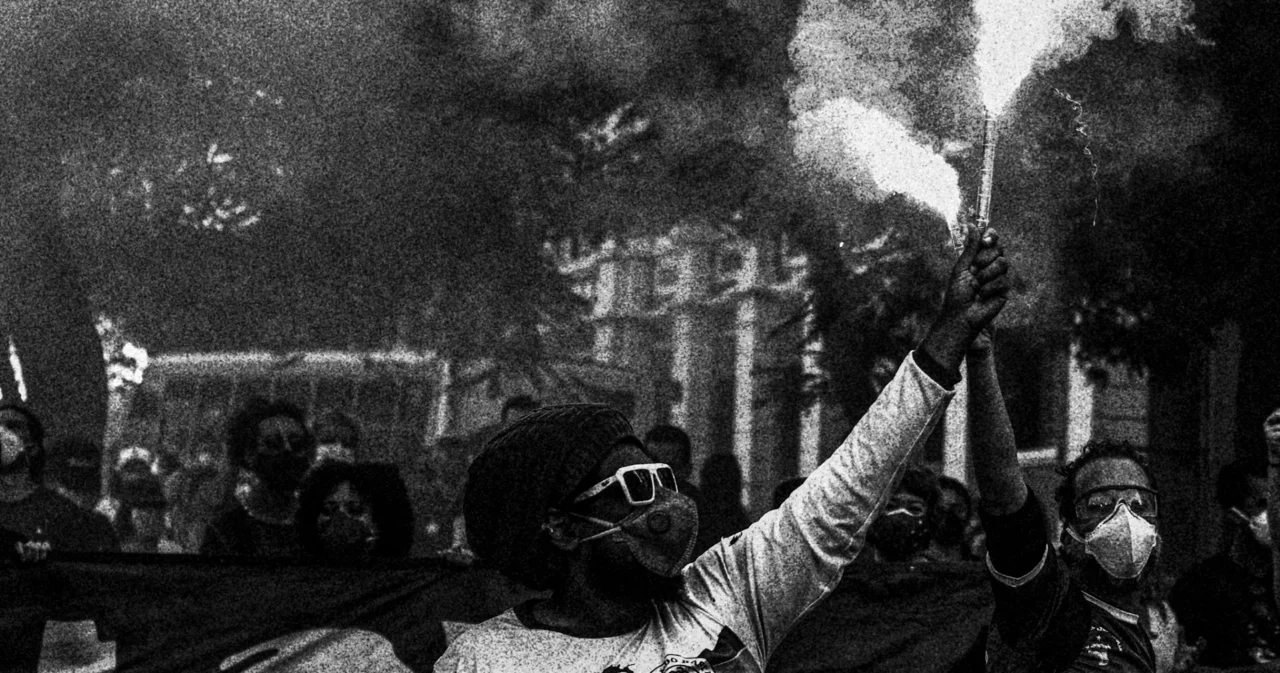
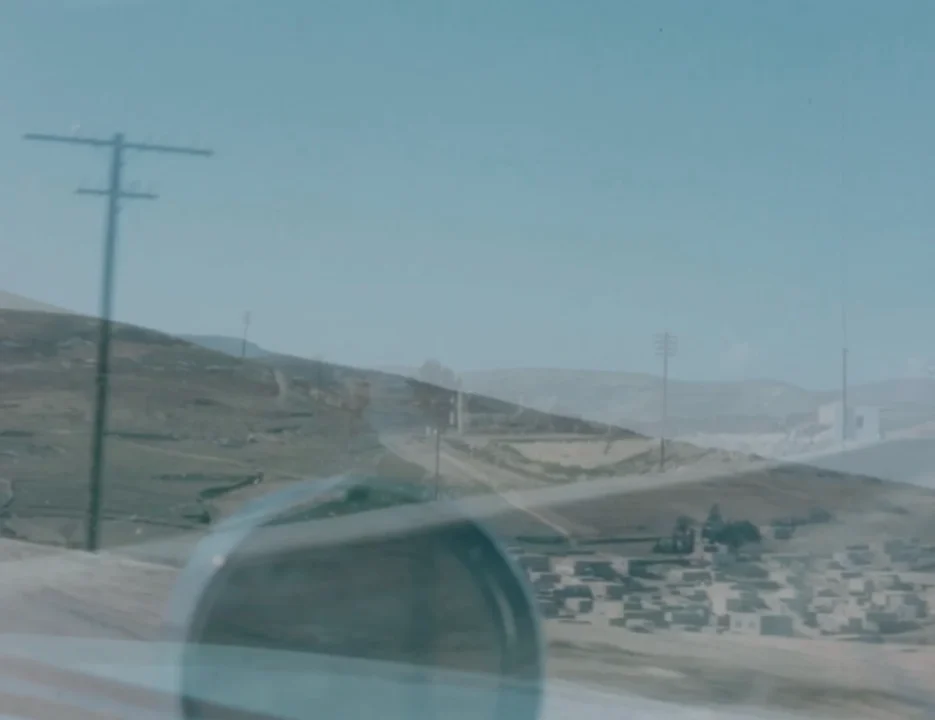
In meteors…, (Ghada Sayegh, 2025) fragments from a personal archive of Eastern Mediterranean home movies become traces of exile and mourning. In Documents for the End of the World (Henrique Buzachero, 2025), a state’s ban on sound leaves the sea as a shared voice, while photographs preserve lives and struggles that cannot be spoken. Latex Labyrinth brings buried histories of rubber labour, colonial violence, and communist resistance into the body through dance. Elegy for the Lost (William Hong-xiao Wei, 2025) intertwines queer intimacy, political repression, and collective memory through fiction and reenactment.
Across these films, history does not return intact. It flickers, disappears, goes silent, moves through bodies, or resurfaces in landscapes being transformed. The archive is not something we simply recover; it is something we perform, inhabit, and put back into motion.
A revolution may be over. A plantation may disappear. A country may be silenced. An archive may scatter across exile. A lover may be lost. But what if remaining attached to its feelings is itself a refusal of historical closure?
History is not yet finished, as long as the guerrillas are still moving.
— Rizky Rahad
Programmer