The idea that the past and the present aren’t naturally connected—that we’re the ones who connect them—feels only half true. Some memories come on their own, unbidden. A child grows up with their family’s customs and then carries on those customs without ever consciously deciding to do so. Our bodies tense up or tremble upon hearing a certain sound, even though we don’t yet remember why. We see a common object, and it reminds us of someone we haven’t thought about in ages. In all three of these instances, no one says, “Let’s remember.” The memory comes first, and only then we realize that we are connected to that memory.
It is this kind of connection that leads us to do what follows—such as recognizing the connection, naming it, weaving it into a story, and then deciding what to share with others. There are two things that are often mixed up in this phenomenon: connections that simply happen on their own, and connections that we create ourselves. If we assume that all connections are of our own making, memory becomes a free interpretation. People can connect anything to everything—and that is apophenia: a tendency to see patterns and meaning in things that are actually unrelated. This shows that the risk of memory lies in the present. The main issue is not whether a memory is accurate in relation to what occurred, but rather what effect it has on the people experiencing it today.
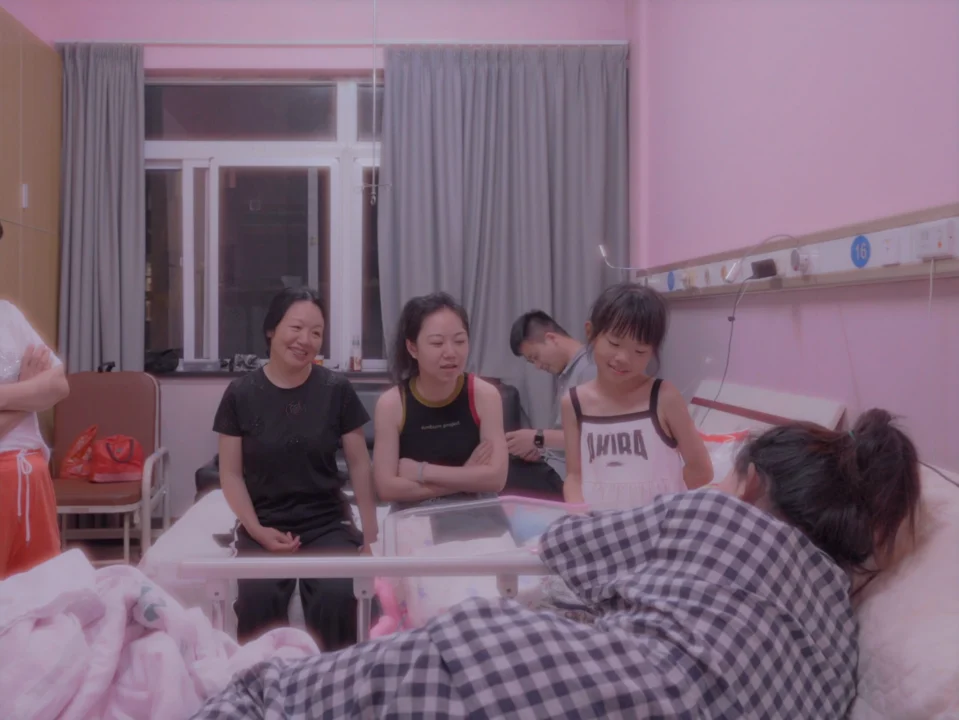
This program explores memory in ways that go beyond mere depiction without revealing its implications. About the Pink Cocoon (Binyu Wang, 2025) opens with a delivery room, where four generations of a family are waiting for a baby boy to be born. This hope stems from the family’s long-held memory that a son is more valuable—a memory passed down from mother to daughter, who has felt her mother’s memories since birth. Now, her body is feeling them again. This family forgets nothing, and that is why this wound keeps recurring. Then, a question arises: is there such a thing as a memory that doesn’t weigh on anyone?
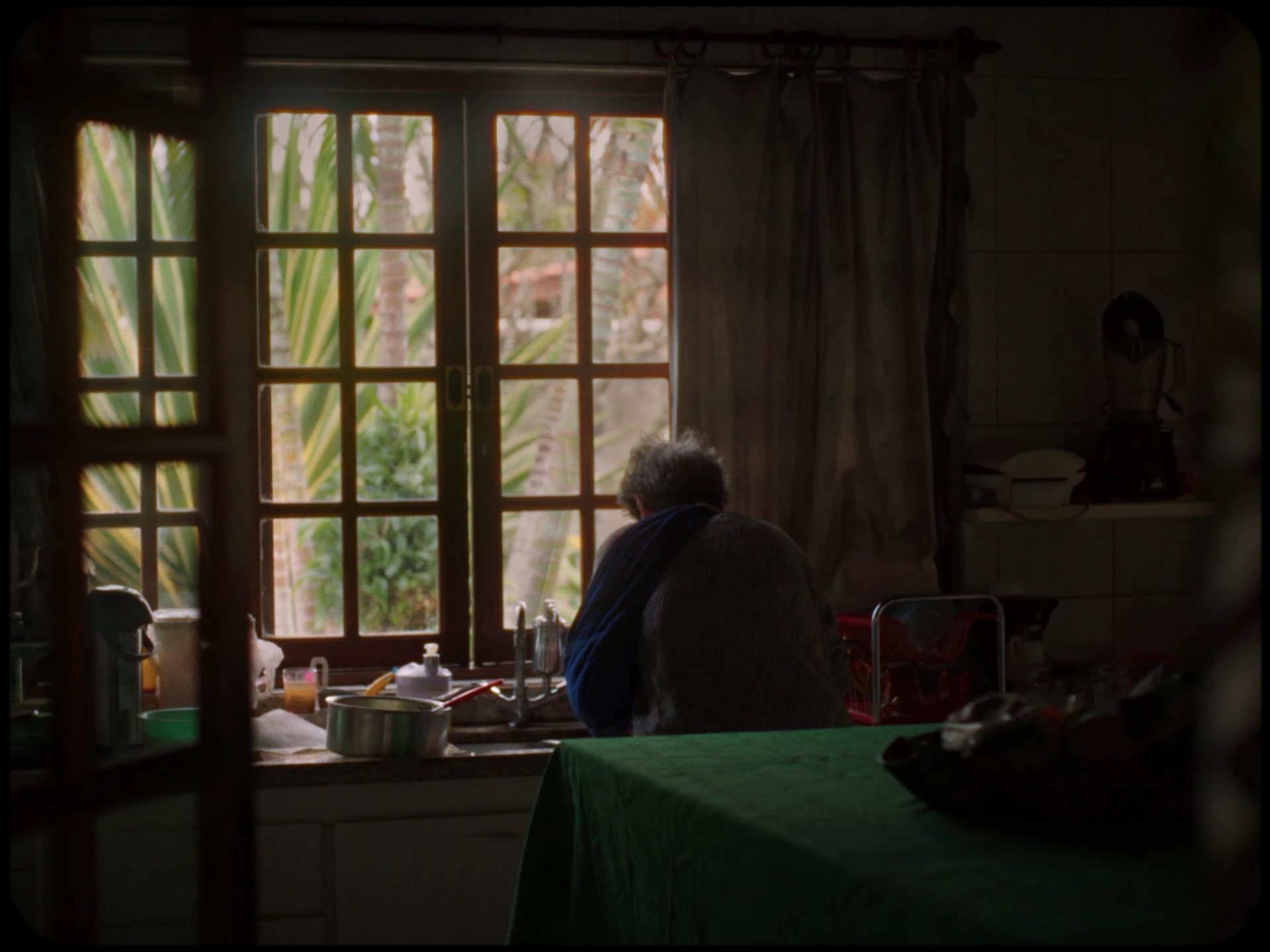
Ether (Luiza Calagian, 2025), through the perspective of a grandmother nearing her hundredth birthday, invites her granddaughter to delve into her past in an attempt to find answers. Memories demand nothing and are not a burden the granddaughter must bear. This is the grandmother’s way of preparing for her own passing. While memories are usually passed down from elderly to younger generations as a burden, here, memories instead become the grandmother’s personal provision. When she speaks, the granddaughter listens. When the grandmother is silent, the granddaughter continues to listen, not filling that silence with meaning. Some memories remain entirely the grandmother’s own. This film shows that a memory that does not weigh heavily is one that knows when to stop interpreting.
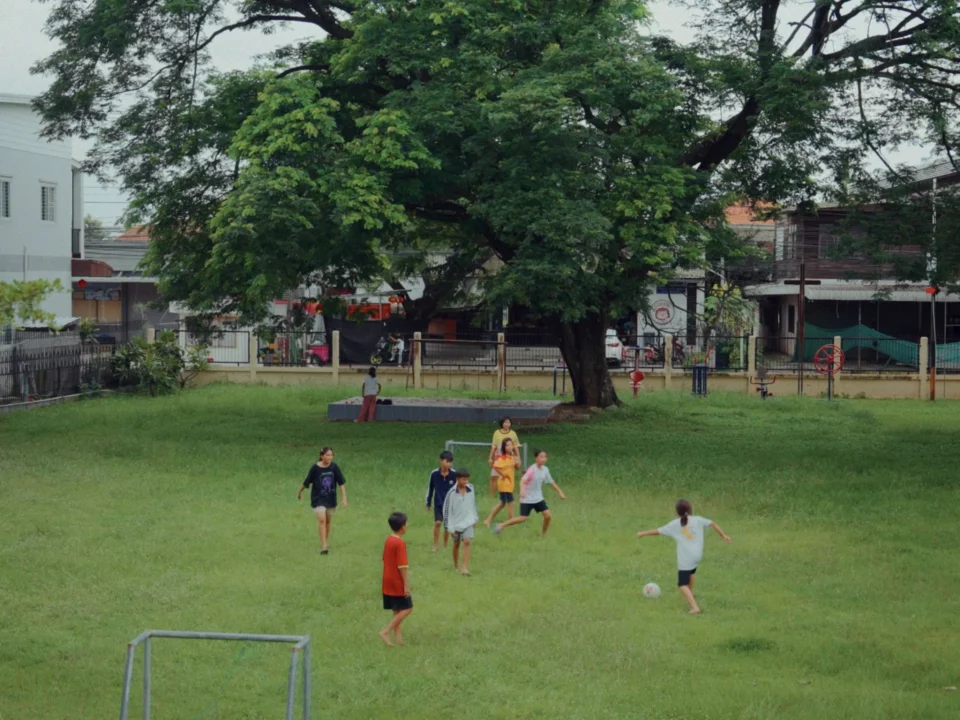
From the silence guarded by a person, if we remember, will God forget? (Chanasorn Chaikitiporn, 2025) shifts to the silence guarded by a place. A church in Udon Thani once served as a recreational space for American soldiers, a daycare center, an orphanage, and later became an Evangelical church. Not all of these layers have been documented. This film gathers accounts of memories from various generations about that place and does not treat them as facts. Memories are presented as both possibilities and questions. Children who imagine the future of that place shift memories from matters of the past to matters of the future. This approach carries its own risks. There is a doubt that acknowledges a memory cannot yet be confirmed, and there is a doubt used to negate the event itself. The two may sound the same, as the film offers no way to differentiate them.
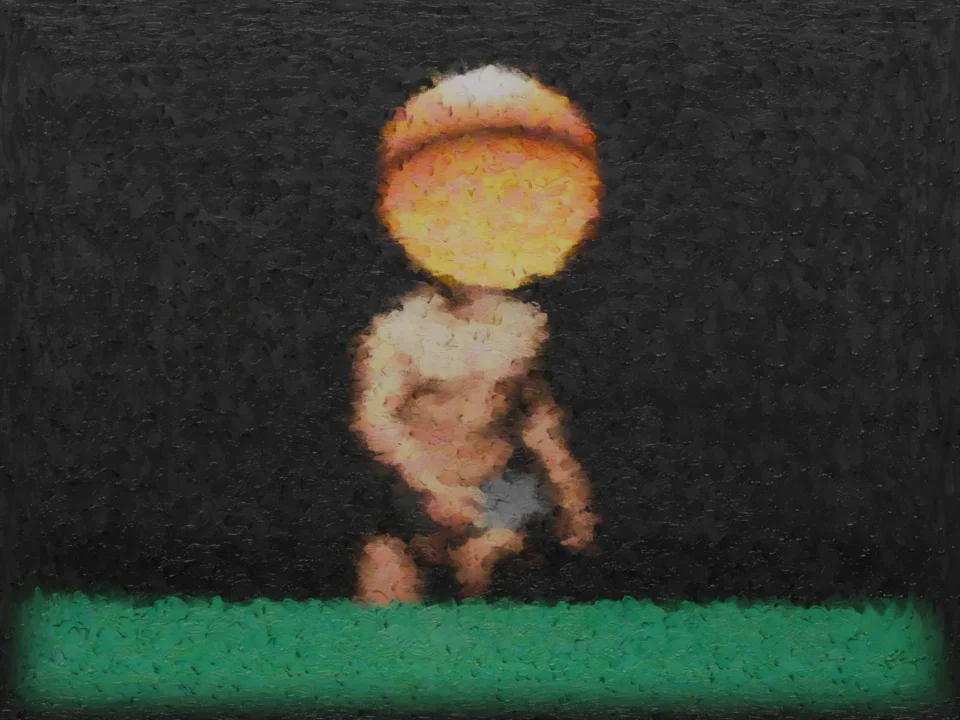
Ping Pong (Tianji Yu, 2025) takes the opposite approach. Memory is used to pass judgment, acting as the judge’s gavel. Memories of a close friend emerge through an object, only to be suddenly shaken by a social media post revealing the friend’s political stance. While other works reject memory as fact, this film portrays a determination to seek absolute certainty about who the friend truly is based on a single piece of evidence. When that certainty proves elusive, memory instead brings the viewer back to the journey of their friendship—a journey in which emotional bonds and political views were, in fact, never truly separate. The stakes are clear, and they lie not in reconstructing the past, but in saving the friendship that is still unfolding.
The films in Dear Memory program emphasize that distancing ourselves from how apophenia operates is not an attempt to suppress the human impulse to construct meaning. This means we need to bring that process of meaning-making into the present. When memories—whether sequential or merely linked—are repurposed as instruments of justification, the issue is not the extent to which those connections are historically accurate. This program invites us to distance ourselves from the desire to interpret and exert control over the past. At this point, the tendency to establish connections is no longer merely a mental reflex. There is an ethical stake at play, a provocation that every pattern we construct in the name of historical truth always demands direct accountability from people living today.
— Gerry Junus
Programmer