We usually speak of dreaming about the places we have lost. This programme turns that around. What if the places are the ones dreaming, and we are what they remember?
Documentary is often expected to prove that something happened. I have never fully believed this. The most truthful documentaries I know are the ones honest enough to admit what the camera cannot hold.
Memory is not an archive. It is a dream we keep revising. The photographs in a family album are smiles chosen on good days. The histories we are taught are versions that survived because someone had the power to tell them. The homes we grew up in now exist mostly in the way we remember them, which is to say, in the way we need them to be. To film the past faithfully, then, is not simply to record it. It is to dream it carefully, knowing that every image is part testimony and part longing.
This matters more than ever. We live in a time of fast erasure: rising floods, neighbourhoods cleared for development, cities rewritten by political force, communities scattered across borders. When places vanish this quickly, the image is often the only thing left standing. And an image of a lost place is never neutral. It is an act of resistance against forgetting, and at the same time, a confession that forgetting has already begun.
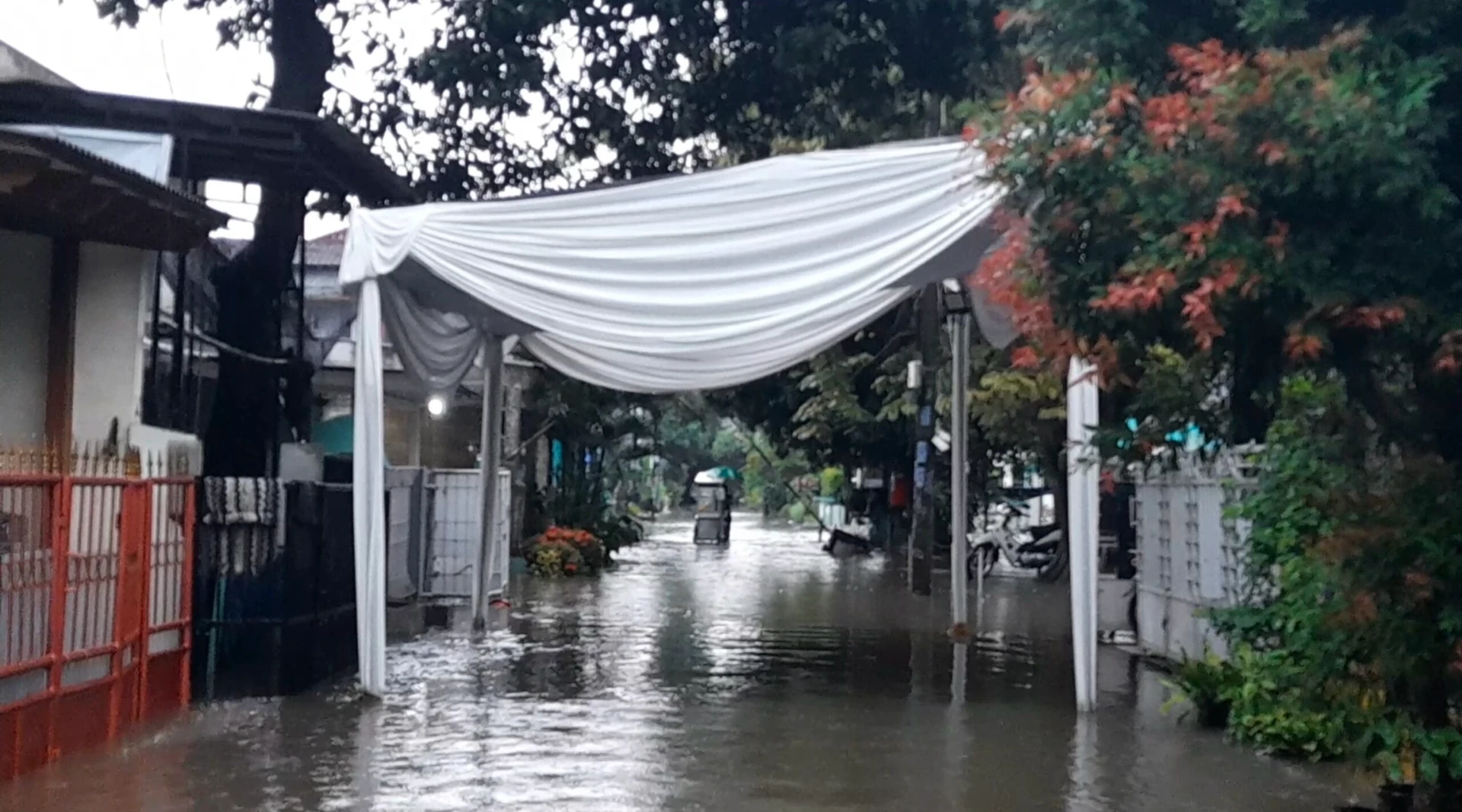
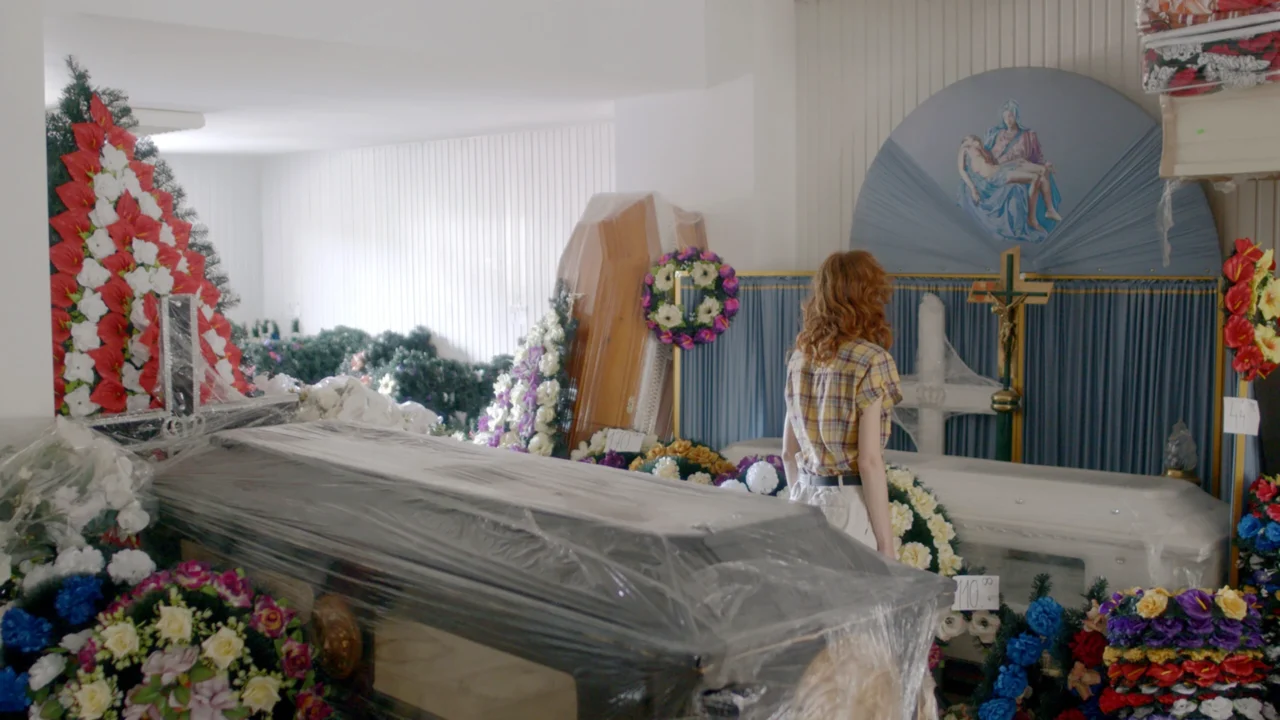
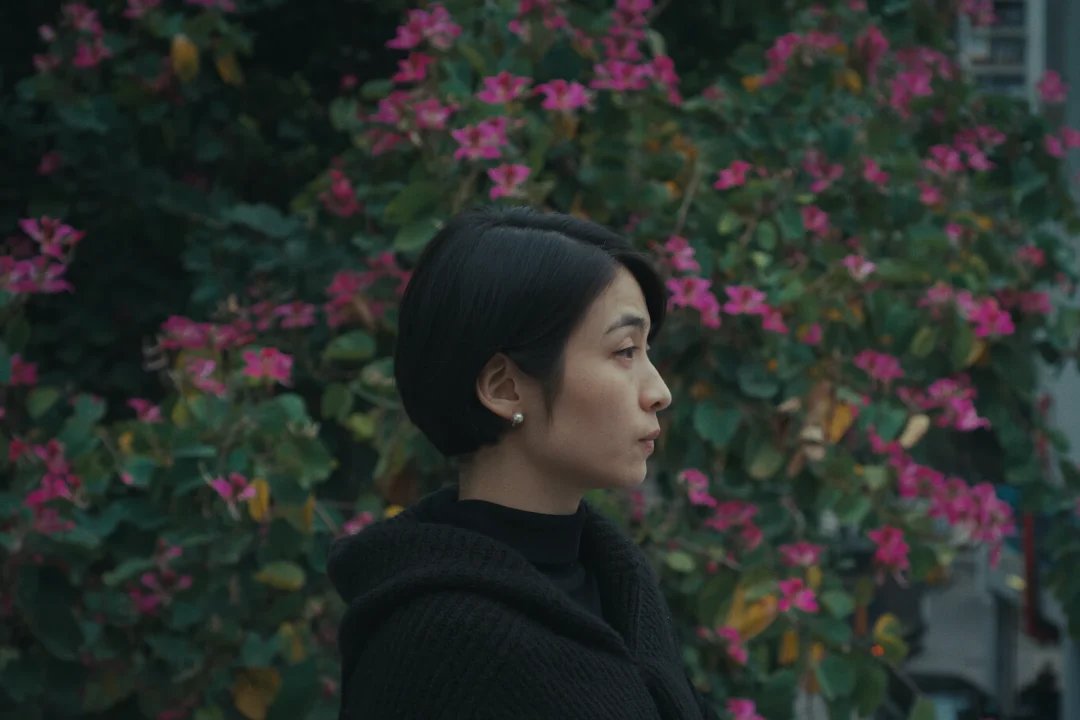
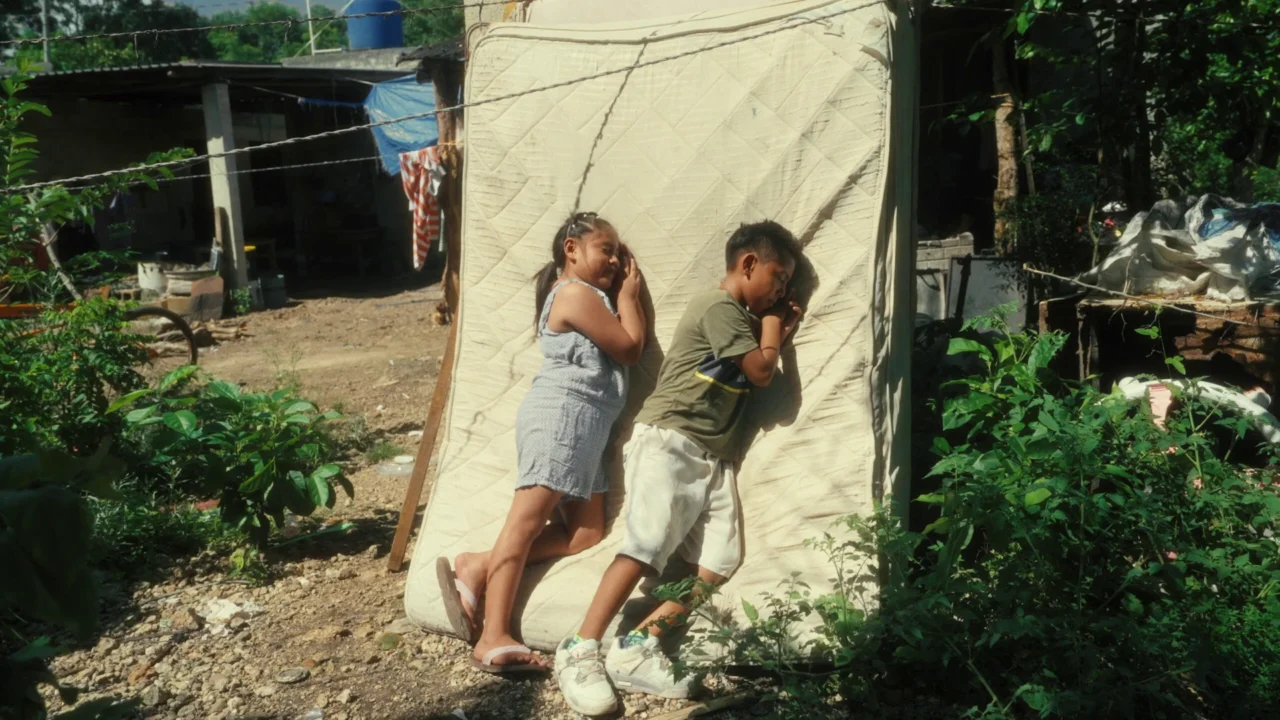
The four films in this programme live inside that tension. In Rainy Day Mother (Helmi Yusron, 2026), floodwater seeps into a family home and into the photographs kept there. As a mother sifts through images fading in her hands, she and her son talk about faith and marriage, the future she still imagines for him. The house holds two dreams at once: the one washing away, and the one not yet lived. The Other Spring (Monica Maria Moraru, 2026) returns to Nehoiu, a Romanian town once swept away by a flood under the Communist regime. Here the past refuses to stay buried. Ghosts wander through the present, and the director steps into her own film to ask who gets to tell a town’s story, and which version it is allowed to believe.
In Retrograde (Nikki Lam, 2025), Hong Kong becomes a place that can only be reached through memory. Made from the diaspora after 2019, it is a meditation on grief, and on making art about a home that keeps shifting as you try to hold it. “She may not always remember, but she will always forget.” Finally, A Small Alley Dreams of Us (Yi Lu, 2025) gives the last word to a place itself. On the night before its demolition, an alley in a sleepy Chinese town dreams of the children who once filled it, children who, it turns out, lived on the other side of the world.
I have come to think that documentaries can do something tender, not to fix reality in place, but to keep company with what is disappearing, and to let what is disappearing keep company with us. The places we come from may disappear. Perhaps they keep dreaming of us anyway.
— Yu Ern Chia
Programmer