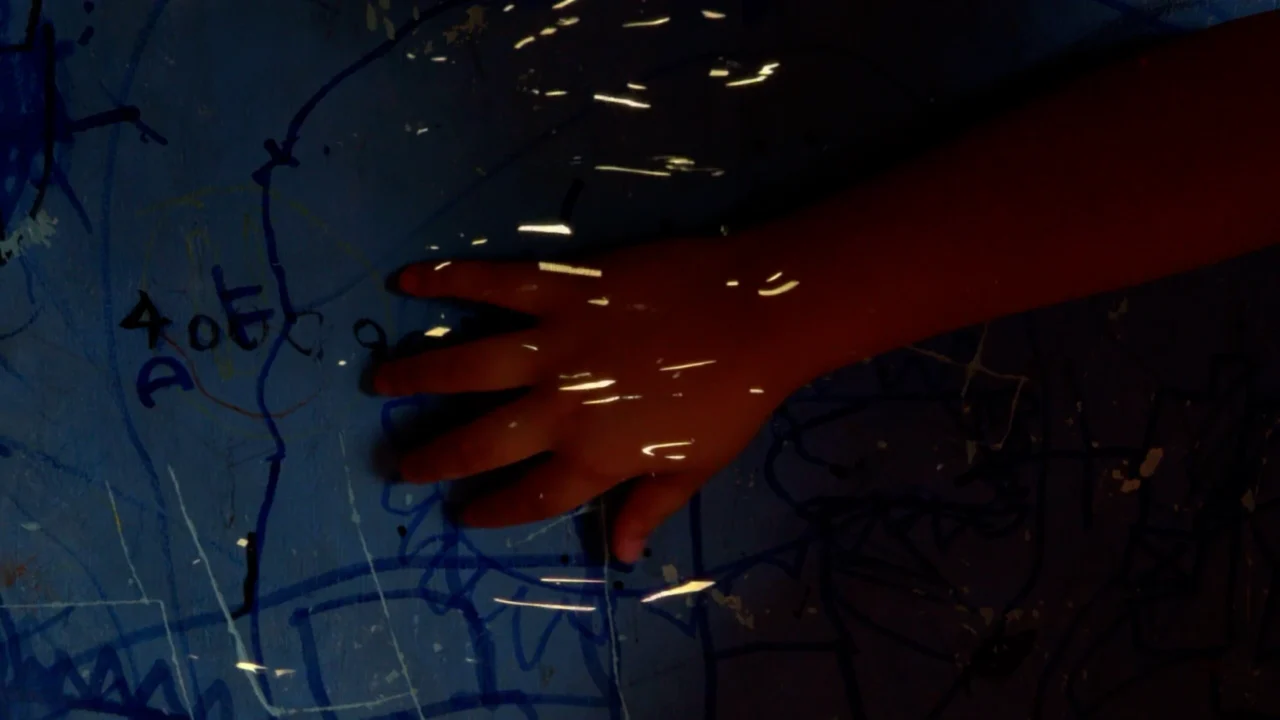
From the dark tunnels of silver mines, walls covered in the desperate graffiti of internees, to the old buildings in Palermo, Italy, everyone in the world is currently experiencing one thing in common: oppression. This oppression, in its various forms, may well stem from the culture of extreme capitalism that serves as the cornerstone of the global economy. The chaos, with its full spectrum of problems, can be captured and documented by a cinematic phenomenon known as documentary. More than just an aesthetic expression, documentaries cut to the core and take on an ideological edge—a record of our turbulent times. The courage to document such issues may stem from the fact that this film genre is within everyone’s reach. While it may be more “artistic” when produced by professionals, setting aside all such distinctions, at its core, documentaries are films of the people, by the people, and for the people.
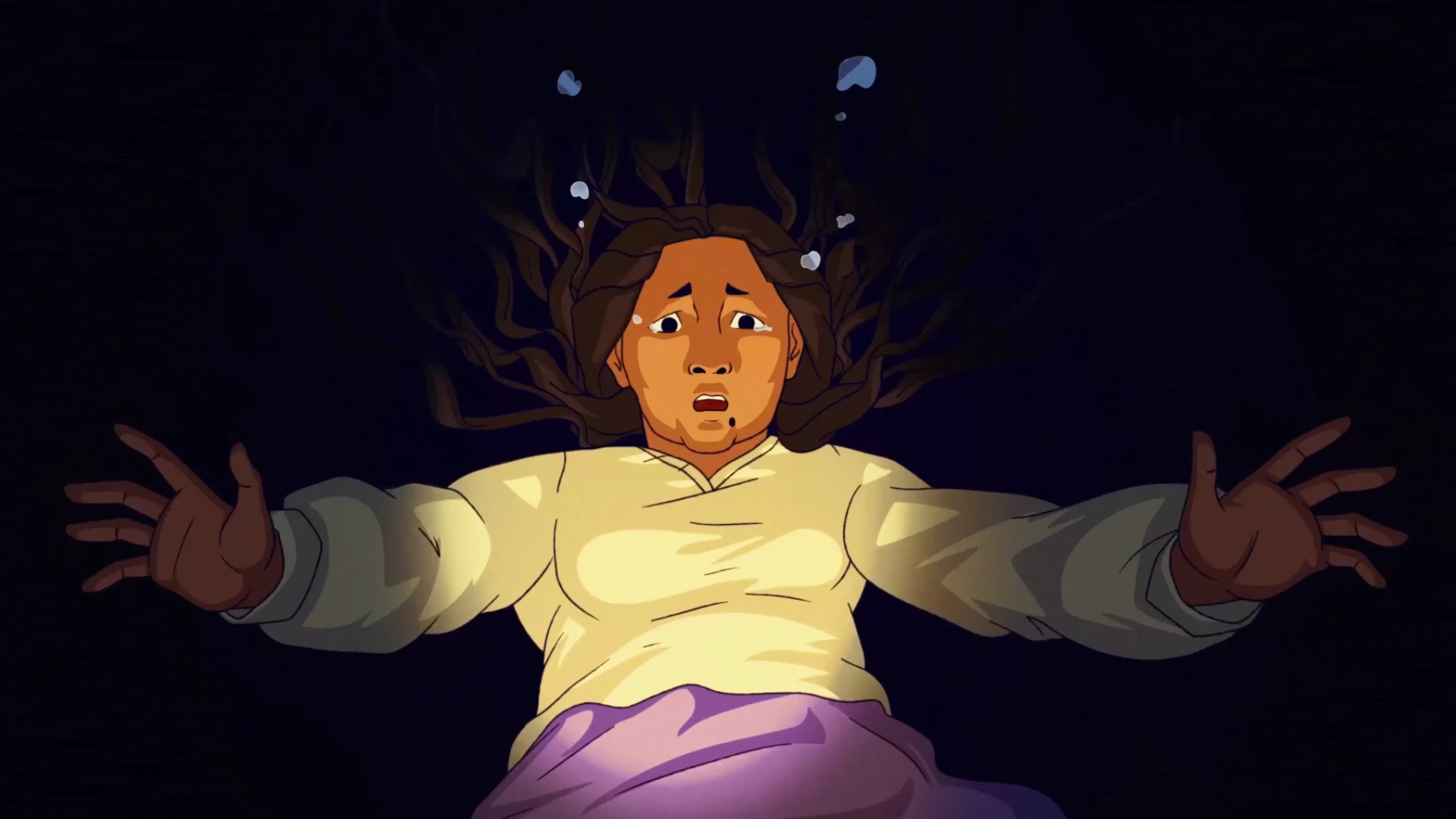
That austerity is evident in Second Skin (Mariia Lapidus, 2026), filmed entirely indoors with just two actors. It documents and reenacts sexual violence in Russia; it pulls the audience into the interrogation room alongside the victim; it shows the details and the sexual violence up close, as if we were the eyewitnesses or the perpetrators. Simplicity in documentaries bridges the gap to reality. Sexual violence isn’t presented with “sensational glamour” or laden with formal rhetoric, but is shown bluntly. Instantly. Brutally.
It seems that, amid the gloom of today’s world, amidst storms, earthquakes, and political turmoil, documentary films do not seek to offer “bread and wine”—as many commercial films do, for instance—but rather invite us to experience the pain firsthand. They do not flee, they confront us head-on. The courage to take a stand with all its consequences and aesthetic spectrum places documentary filmmakers like guerrillas in the vast jungle; militant yet nonsensical.
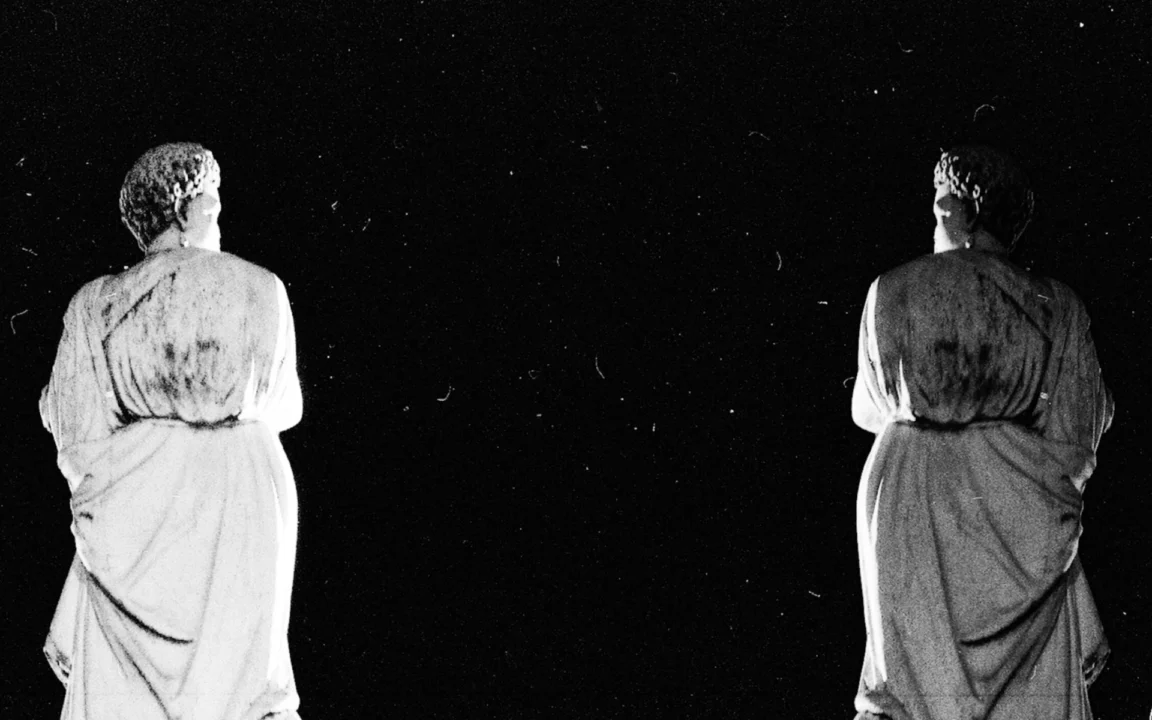
Even so, amid the bitter and dark observations made by the documentary filmmaker, there remains the poet’s gaze within the never-ending cultural guerrilla war. The building site (Tiziano Locci, Tito Puglielli; 2025) is the last poet of this guerrilla band. The film documents the loss, impoverishment, and marginalization of local residents caused by gentrification in modern cities driven by digital disruption. It does not merely show buildings being demolished, but goes further—delving into the details. The camera captures the corridors of dilapidated old building in Palermo and the clinking of room dividers, at first glance reminiscent of Caravaggio’s chiaroscuro paintings.
This visual approach, which celebrates and allows photographic details to construct their own narrative, is reminiscent of the poetic language of Federico García Lorca or Subagio Sastrowardoyo, where narratives of loss are shaped through reverie, drawing us into our own sense of loss. Thus, instead of mourning that loss in Palermo, the audience reflects on loss within their own context—the old buildings in Semarang’s historic district or houses in Banyuwangi or Sidoarjo. This reflection is the result or consequence of the details presented. It shifts the audience’s focus to the bigger picture, “plunging” them into a pilgrimage through personal and intimate images.
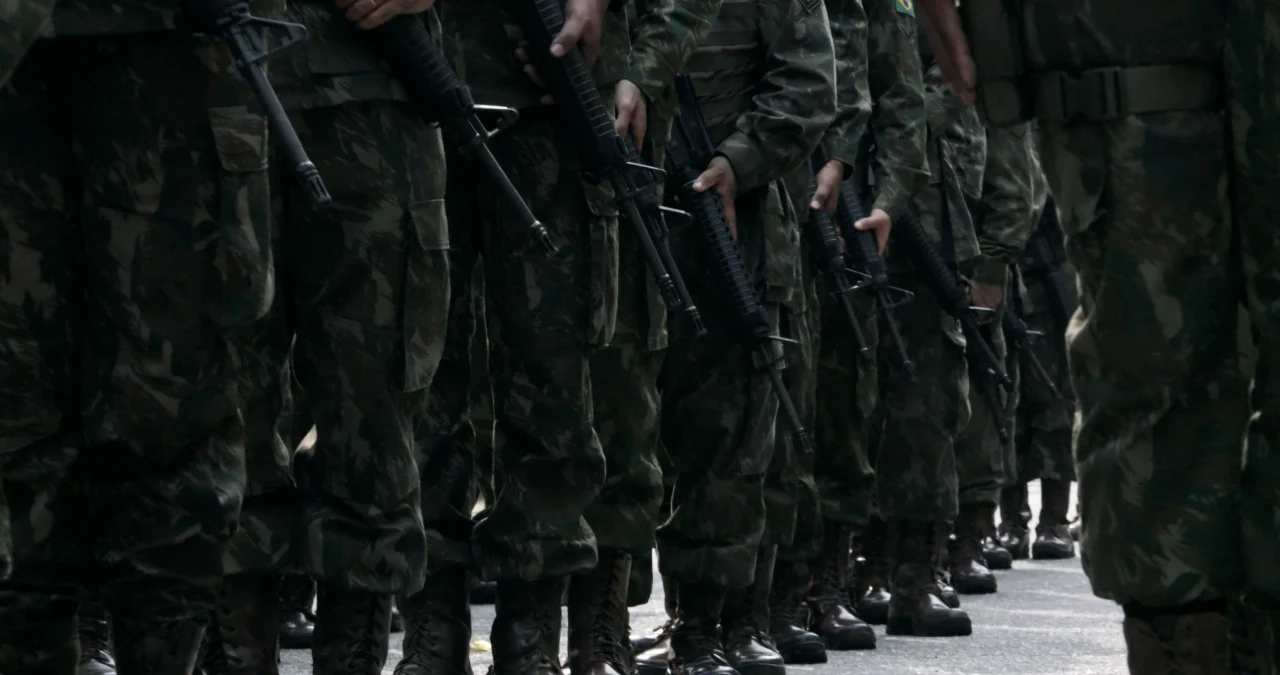
In addition, there are other films that offer local audiences a glimpse into Indonesia’s current situation: Smell of Diesel (Natasha Neri, Gizele Martins; 2025) and Collective Memory (Cristina Colmenares, 2025). The narratives are presented so intimately, almost without any distance. Indeed, these documentaries are infused with a spirit of activist zeal; through their courage—or perhaps their audacity—they document events and issues overlooked by mainstream media, ensuring that social phenomena remain in the public consciousness and continue to be relevant topics of discussion, even in other parts of the world.
These two films, along with many other documentaries in this year’s festival program, fulfill a duty and role that the arts—now subservient to the creative industry—have either forgotten or are afraid to undertake. They remind us that the world is heading toward a minor apocalypse, for the umpteenth time, and we will be witnesses. It is from this point that we can choose to remain passively seated in our audience chairs or to throw those chairs aside and promptly embark on a quest for change.
— Agung Kurniawan
Programmer