Explorers in the end of 19th century also contributed to the documentary film development. At that time, camera had been developing into varied forms, more simple and mobile. They carried it everywhere, away from home. They recorded daily life activities of people, landscapes, and various kinds of building in many cities in the world. Later on, it is called Travelogue film. In the next phase of the development, many filmmakers go further away to find out an ethnic group in the most remote area, like a work of Robert Flaherty in the North Pole[i]. Such films that later become the basis of today’s documentary films, as we can see in this festival.
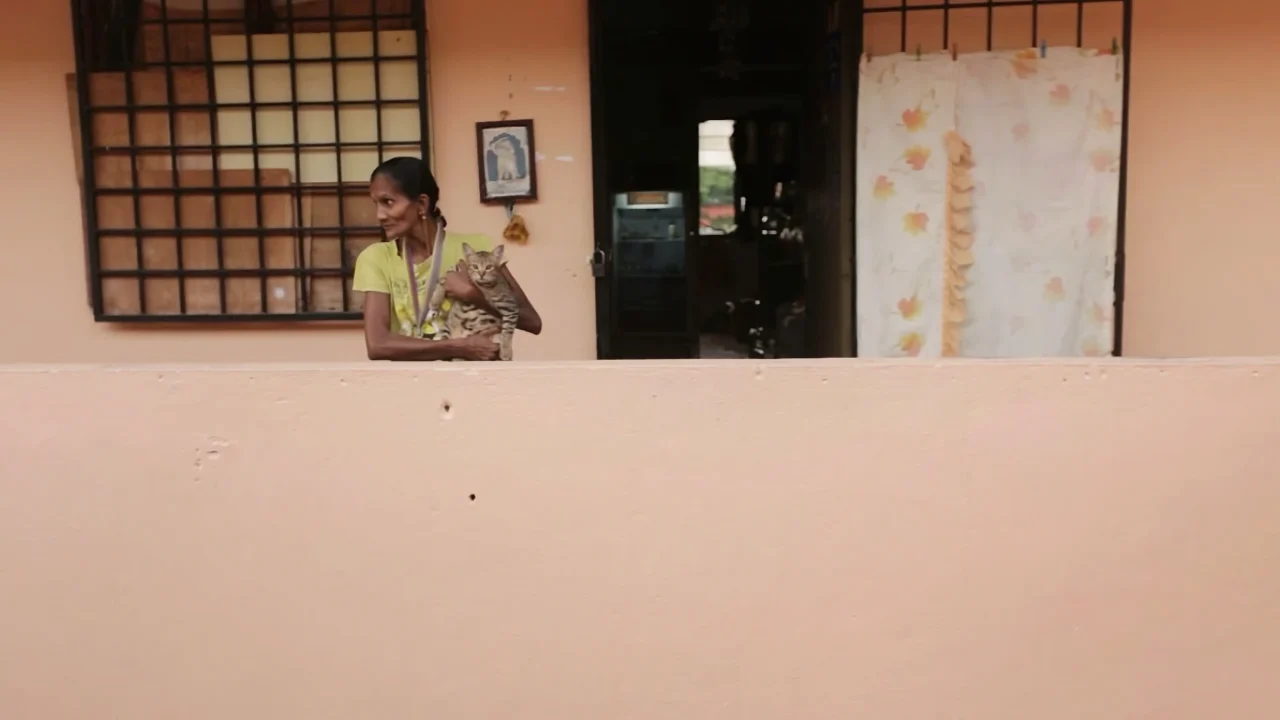
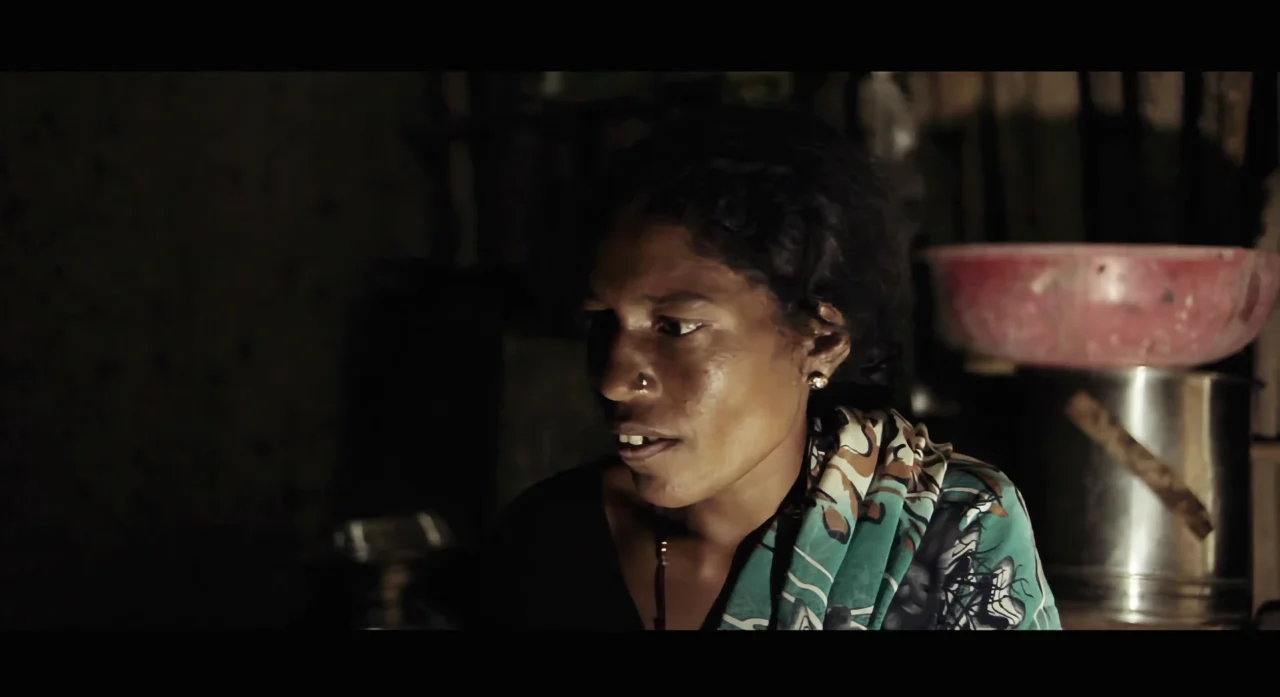
If above example is too old, Journey #2 will be one of the event record compilation about what’s happening in this dear mother earth recently. In this session, the films are categorized into two. In the first section we will see how people moves to demand their rights, like in The Park which the film will take the audience to Istanbul to trace down how the people protesting against the shopping center establishment inside the city park. Still in Turkey, Journey #2 will take the audience closer on the personal diary of a demonstrator who eagers to say “no” to the authoritative regime. Another story on protest is Shattered, a film by Ozair Rao, that pictures how poor people, who live in the planned city Putra Jaya, Malaysia, take their protest action. The last film of this section is coming from India through Cotton Dream, a film by Sandeep Balhara. It dramatically tells a community of farmer in Thanegaon, western India, who is entangled by debt because of extreme climate change and agriculture technology.
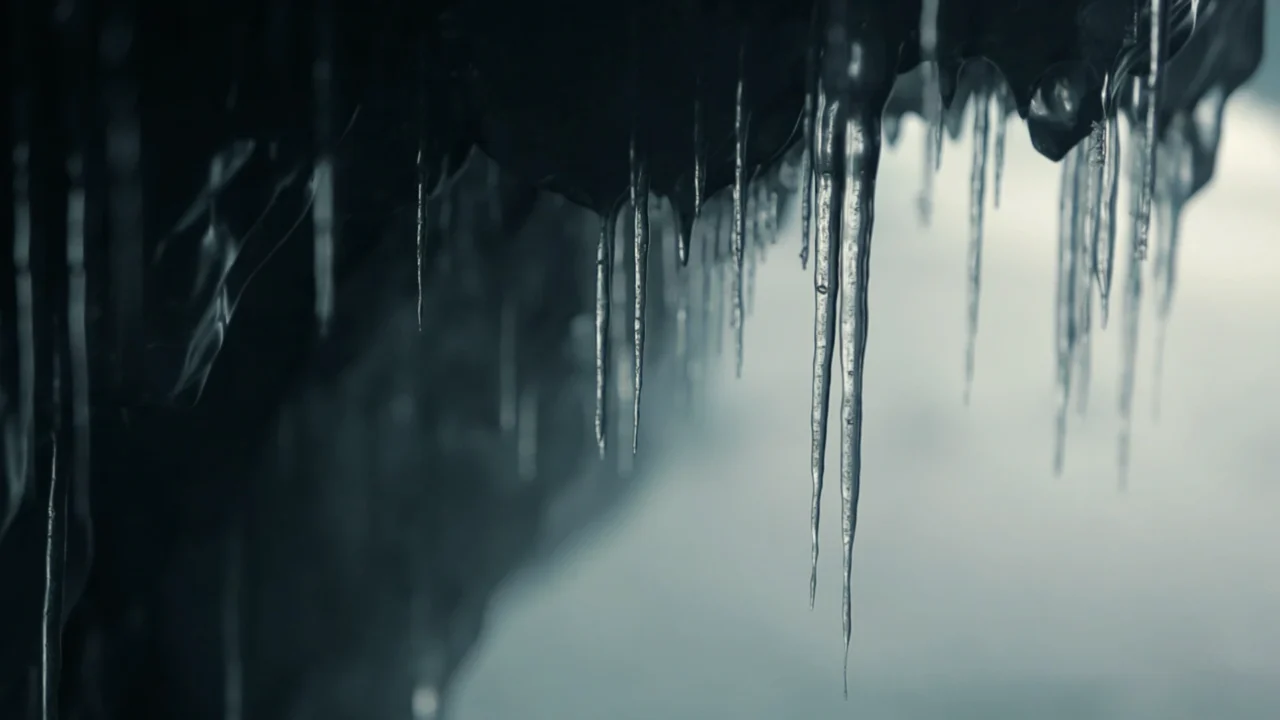
In the second section of Journey #2, we will make a journey to the northern side of Russia and Siberia. Hosted by Zima, a film by Cristina Picchi, which gently introduces us to the people who survive in the extreme climate. From the north we then take off to Iran to see Boys With Broken Ears, directed by Nima Shayeghi. This film follows three Iranian young men who struggle to achieve their dream to become the strongest wrestler in the world. It successfully explores and sketches how Iranian youngsters dedicate themselves to be “heroes” in wrestling. Our last story in this session is a passionate expectation of Jazz, a Filipino man, who longs for his couple arriving from Germany. You can see this romantic story of a gay couple in Jazz in Love, a film by Baby Ruth Villarama.
These two sections are classified according to the definition of documentary film stated in the short colloquy at the beginning of this writing. The first section is group of films that trigger an action to make better life of a community, while the second one is a group of films that could give us understanding on many things happened.
— Franciscus Apriwan
Programmer
[i] Looking closely, Robert Flaherty film on the Inuit people (Nanook of the North, 1922) is similar to the narration of the antropologist at that time who told each of the elements of culture in a community. His second film Moana, 1926, Flaherty lived with the people of Samoa over a year. Some say that John Grierson wrote a review on Moana in the New York Sun in 1926 and also for the first time introduced documentary film terminology to the public.