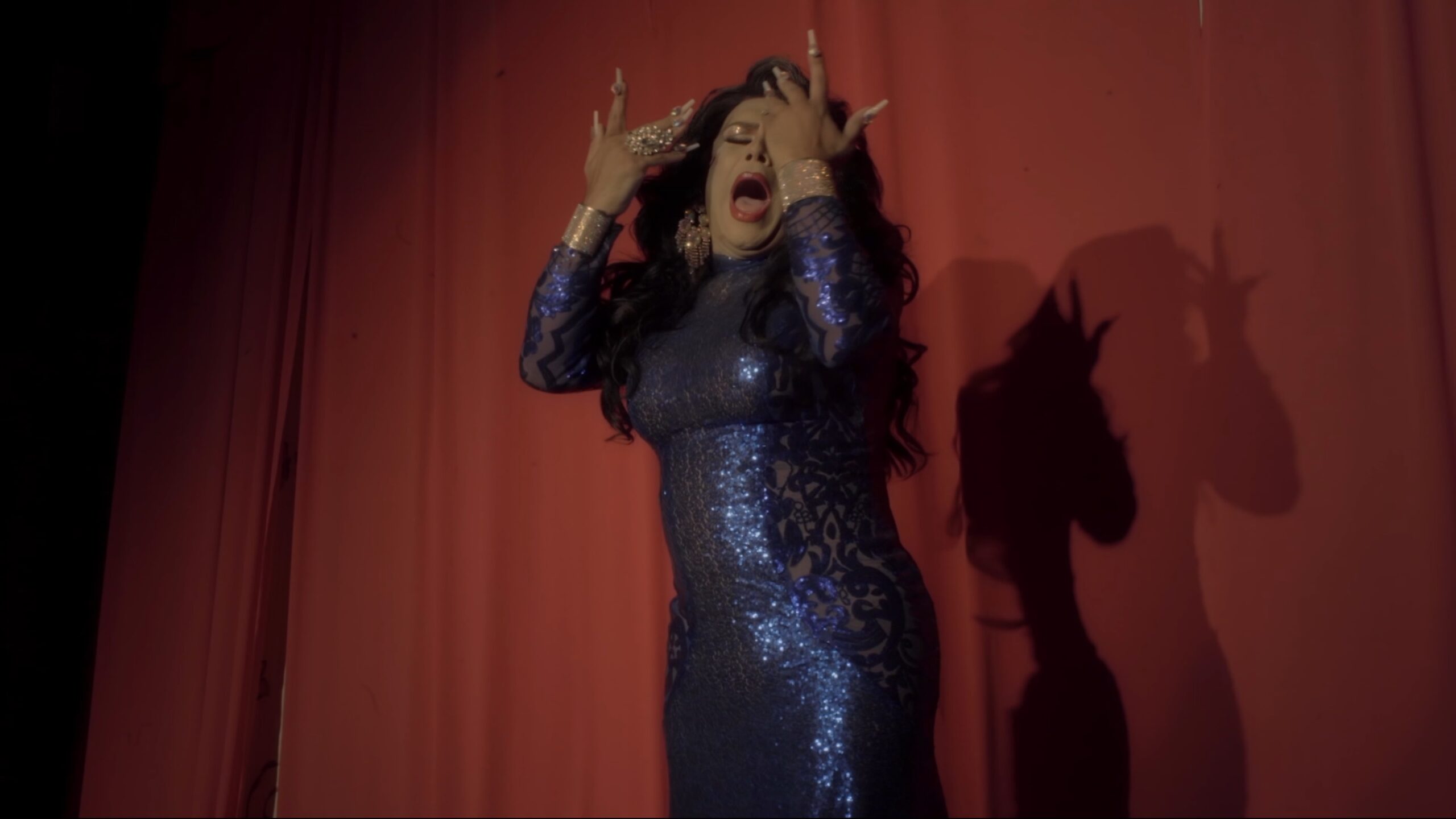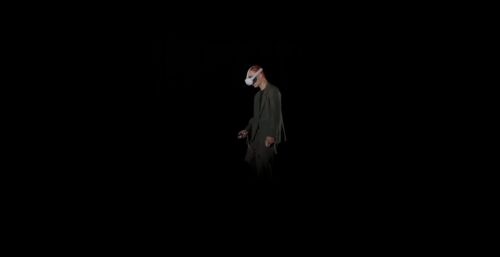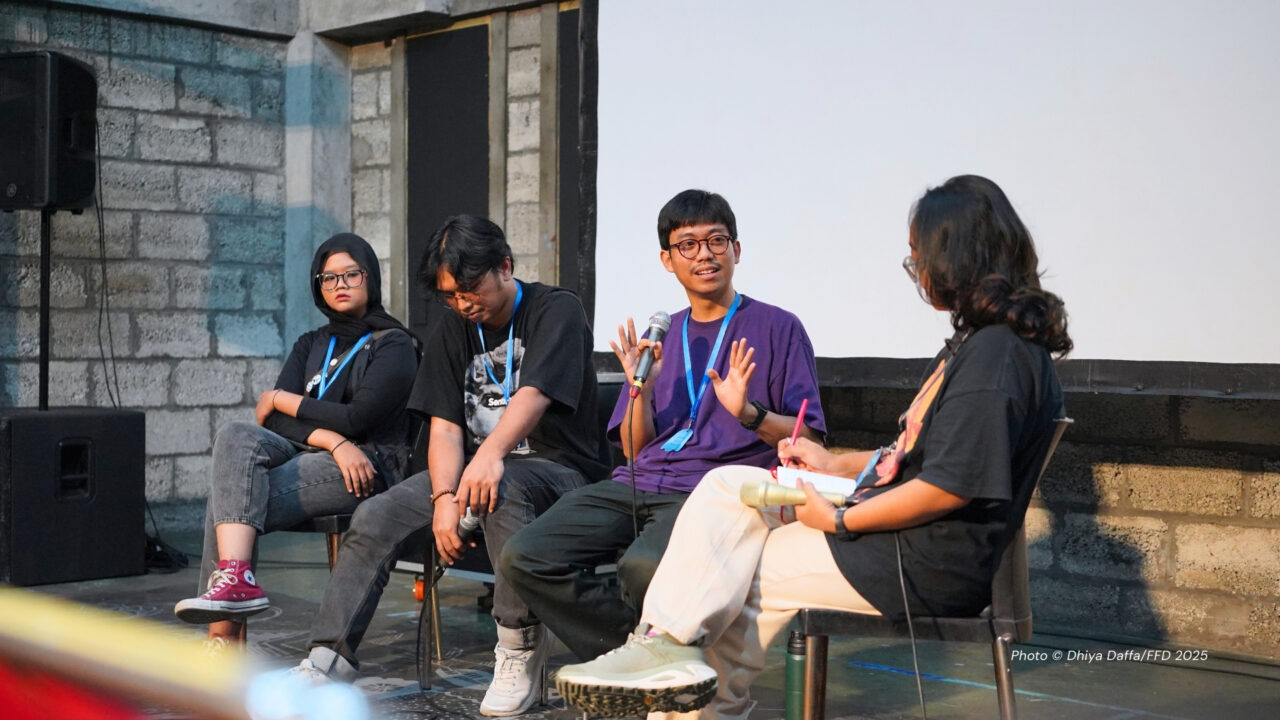
The film compilation under Lanskap: Mo(nu)ment program brought together three documentary shorts that explore the presence of individuals as windows to a wider social landscape. The three films namely NH Dini (Ardian Parasto, 2024), See a Mother, a Wife, and a Weaver (Suharditia Trisna, 2025), and The Silenced Soil (Dara Asia, 2025). The screening took place on November 24 at Kedai Kebun Forum, followed by a Q&A session attended by filmmakers Suharditia Trisna, Dara Asia, and Fraivio.
The session was opened by Vanis, curator of the program, who contextualized Mo(nu)ment as an attempt to challenge a growing tendency in contemporary Indonesian documentary to rely heavily on a single protagonist as the backbone of narrative. Vanis argued that while the subject often becomes the emotional anchor of documentary storytelling, filmmakers also have the agency to craft meaning that extends beyond the individual. In this sense, the three films serve as proposals, possibly even provocations, for audiences to engage with the social ecosystems surrounding the protagonist rather than stopping at the protagonist themself.
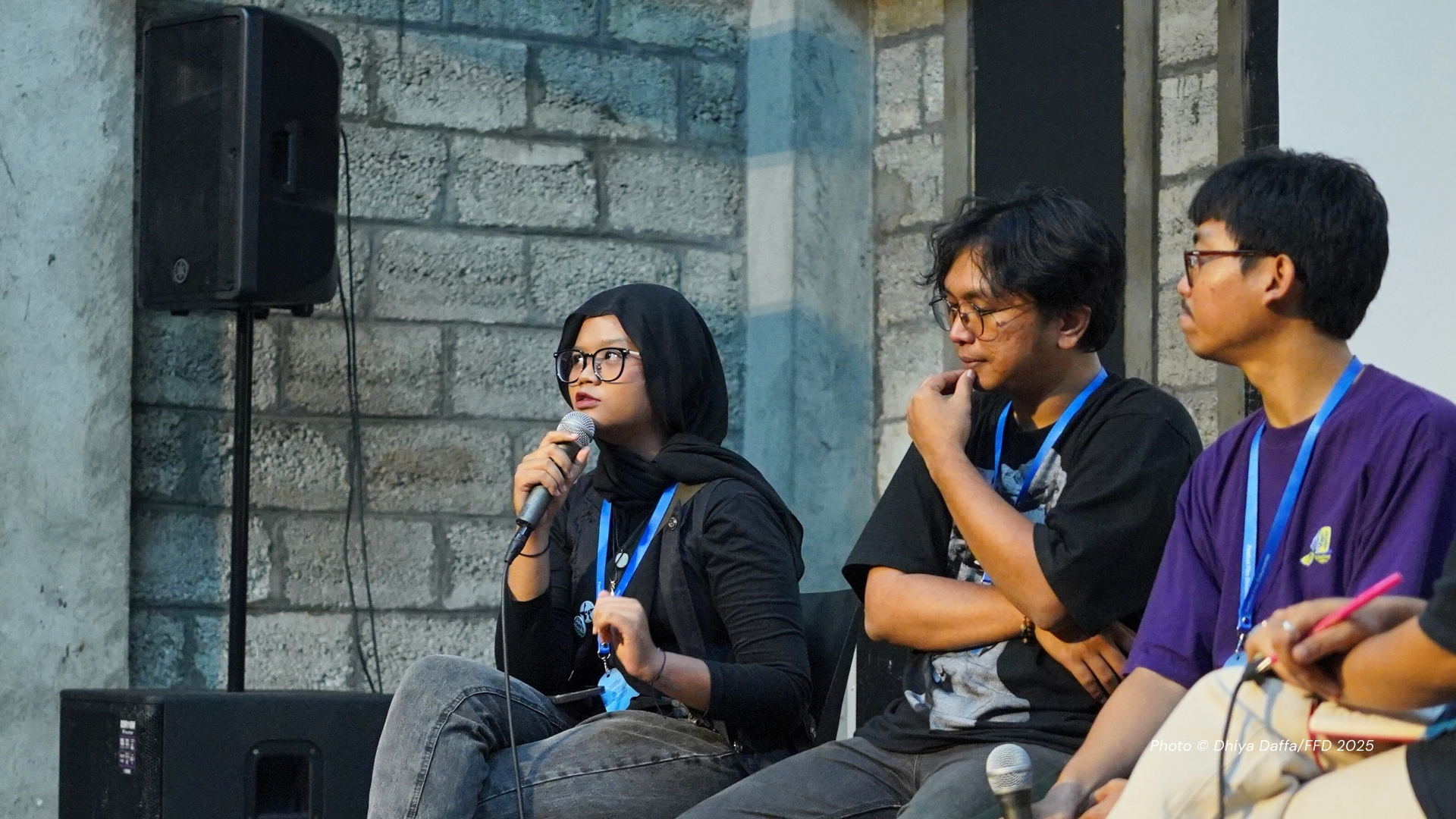
This framing resonated visibly with the three filmmakers, each of whom approached “the subject” from very different positions. Suharditia Trisna, reflecting on See a Mother, a Wife, and a Weaver, spoke candidly about his awareness of positionality as a cis-hetero male directing a story centered on women. He described his decision not to place himself—or other men—at the center of the narrative as a deliberate ethical gesture rather than a stylistic one. Trisna explained that he intentionally reduced and cut male voices, including his own, to give space for the women in the film to speak on their own terms. With guidance from his producer, herself a woman from Rote, he developed the film around a constellation of women rather than building a story exclusively around Mama Masri as a singular icon.
In contrast, Dara Asia described entering The Silenced Soil through a series of broader narratives she was already researching—food sovereignty, the legacy of the Green Revolution, and the politics of agriculture. It was only mid-development, when the exhibition of Yos Suprapto was censored, that her research intersected organically with the activist figure. Asia emphasized that the shift was a sharpening of focus of the socio-political terrain she wanted to explore from the beginning. She expressed that her hope is not for the film to remain “an artwork that ends at the credits,” but for it to function as a gateway for public advocacy around agricultural crises.
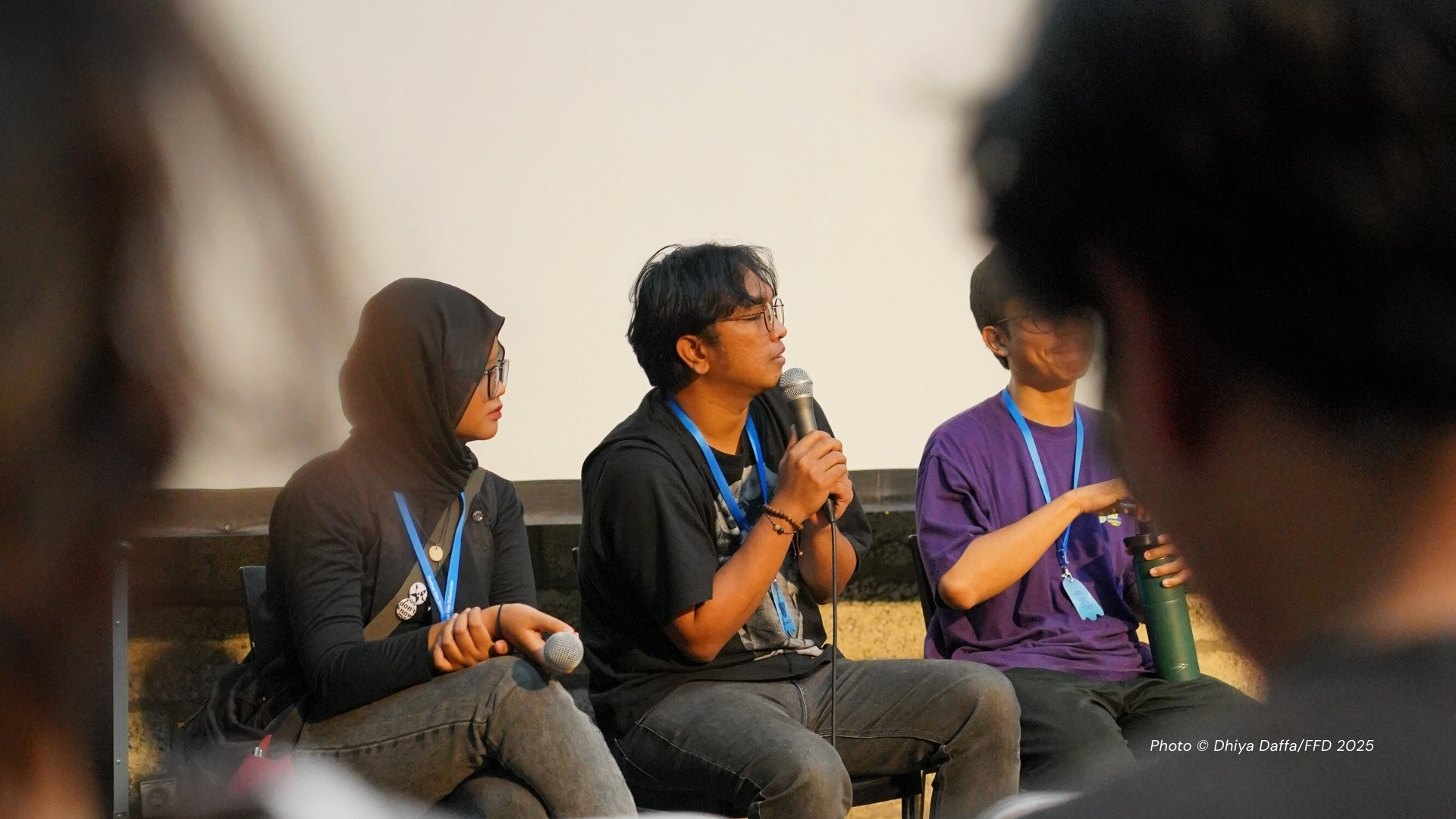
Meanwhile, Fraivio, speaking about NH Dini, explained that the film intentionally avoids repeating the well-documented narrative of NH Dini as a celebrated writer and activist. Instead, the team sought to observe how the people closest to her positioned NH Dini in their memories, not through her cultural legacy but through ordinary gestures, friendships, and daily life. According to Fraivio, the film’s contribution is not to add another layer of mythmaking around NH Dini. It was an effort to momentarily suspend the image of a public figure in order to reveal the person underneath.
As the conversation unfolded, Vanis returned to the program’s central idea of how the three films demonstrate agency not only from the subjects depicted on screen but also from the filmmakers. In See a Mother, a Wife, and a Weaver, empowerment emerges from women portrayed by a male filmmaker who consciously restricts the presence of men; in NH Dini, the protagonist herself is a historically powerful woman; and in The Silenced Soil, the activist figure at the center of the narrative is a man, but the film is directed by a woman navigating networks of power and censorship. The session therefore framed “agency” as a relation negotiated between filmmaker, subject, and social context.
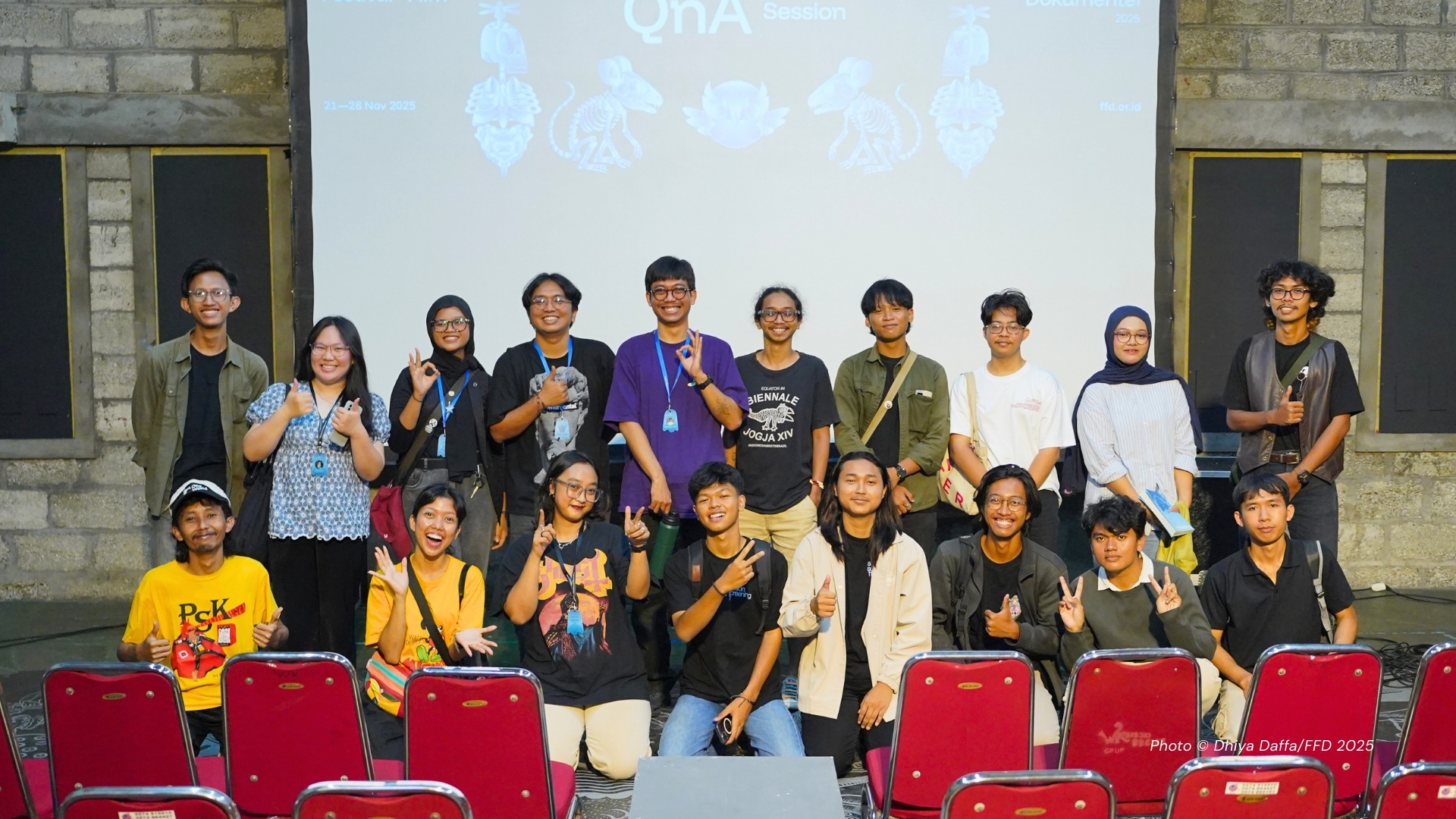
The discussion then circled back to the same premise that opened the session about documentaries’ power in anchoring themselves in a character without reducing themselves to merely a character-driven storytelling. Rather than defining the session with a single conclusion, it left the audience with a sense that each film in this program is about the world that shapes and is shaped by them. (Sarahdiva Rinaldy, 24/11/2025)