The March
Synopsis
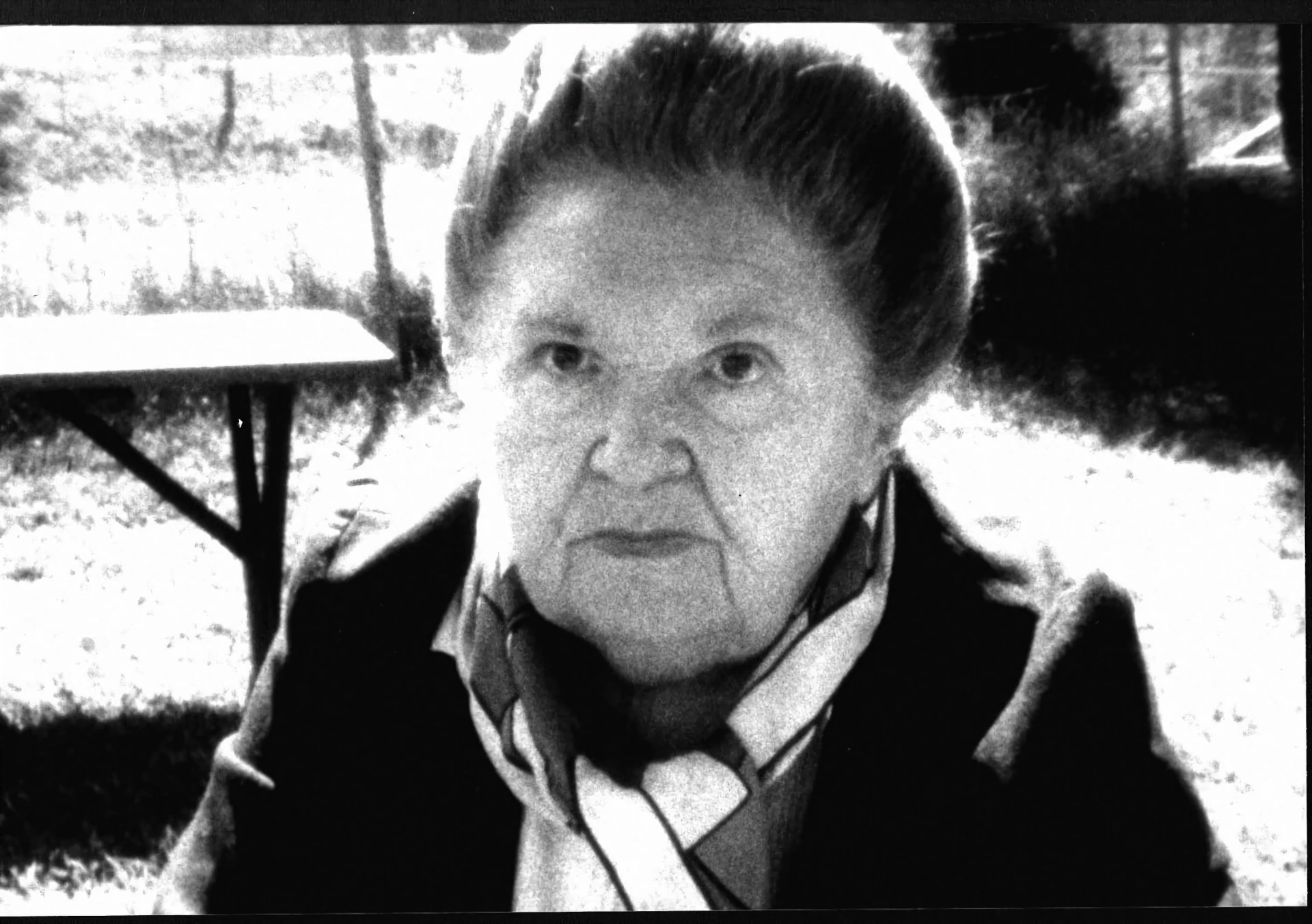
Both my parents were in Auschwitz and survived “The Death March.” My father, deceased since 1979, never spoke about his experiences. My mother, on the other hand, continuously made references to the “miracle” of her survival and recounted in vivid detail what it was like to walk for miles in the bitter cold with just a blanket and a pair of wooden shoes (“Trepches”). She tells a story of how one night when the entire column of inmates took a rest at a nearby farm, she found a small sack of sugar cubes in a hay loft, which kept her and a companion alive for several days. She recalls how the German soldiers would confront a weakened inmate who paused for a moment’s rest with the following shout: “Kanst du lofen?” (can you walk?) If the reply was negative or not forthcoming, she would be shot on the spot.
Schedule
Credits
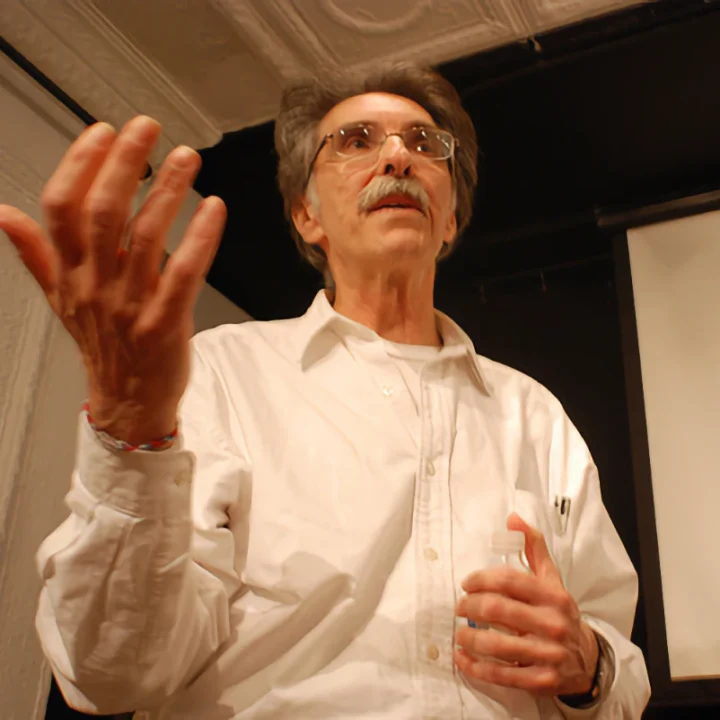
Abraham Ravett
Abraham Ravett holds a B.F.A and M.F.A in filmmaking and photography and has been an independent filmmaker for the past forty years. He was born in Poland and raised in Israel and the U.S.A.
His films have been screened internationally, including at several one-person shows at New York’s Museum of Modern Art. His work has won “Top Prize” at the Viennale 2000, Ann Arbor Film Festival, and Onion City Film/Video Festival. A retrospective of Ravett’s films was shown at the WRO Art Center, Wroclaw , Poland and at the 2014 Festival Film Dokumenter Yogyakarta, Indonesia.