Human civilization has a set of things to trigger a memory. Let us called epigraph, monument, museum, or film. Such things usually contain tangible proof that we could witness it with our own eyes, including statues, dioramas or film scenes that could bring us to the imagination of what actually happening in the past. If we take a word from apparatus theorist, any tools and techniques used to make film are part of the reality itself; therefore reality is an expression of a dominant ideology.[i] And then what will happen to the minor narration of history? Will it be repressed forever because of the dominance?
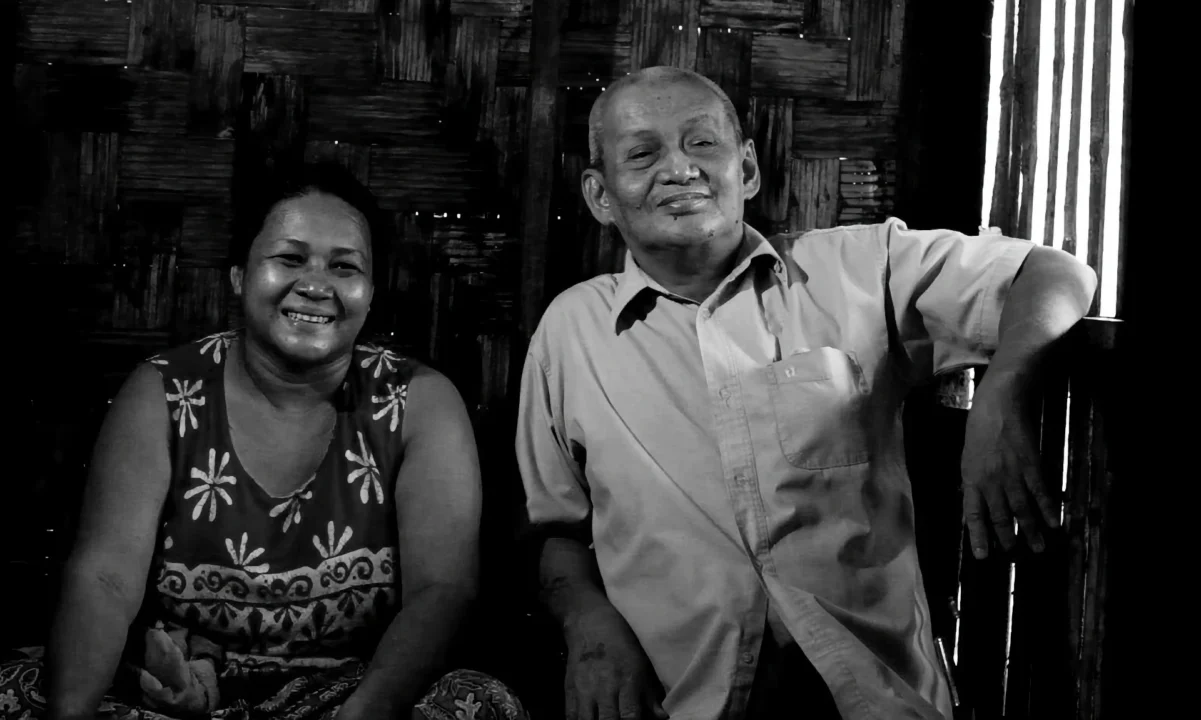
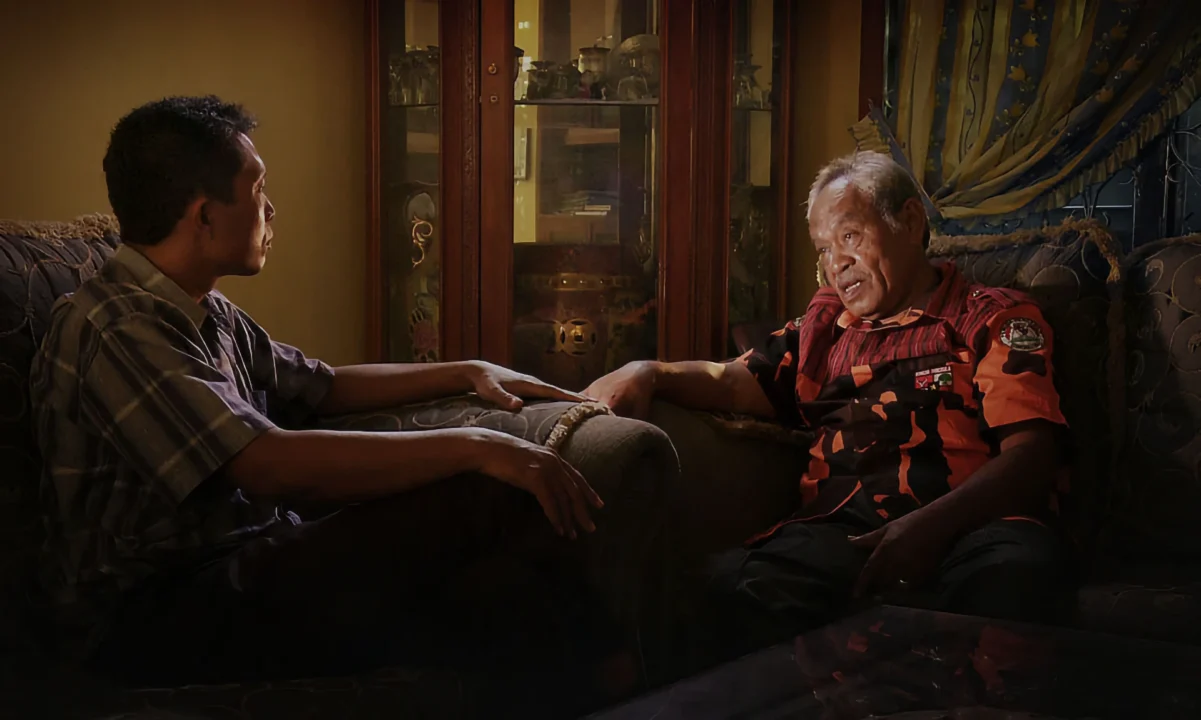
In this session, FFD presents a journey across the time through film. These films were chosen as a trigger for us to imagine past events not from a mainstream narration of formal history, but from a minor narration that is repressed by the tyranny in the past time. This session presents Senyap (The Look of Silence), a documentary piece directed by Joshua Oppenheimer and Anonim, which tries to raise a historical narrative about a family, victim of a massacre in post 1965. Senyap (The Look of Silence) will become a time line to see a family exploring their silence story of the past.
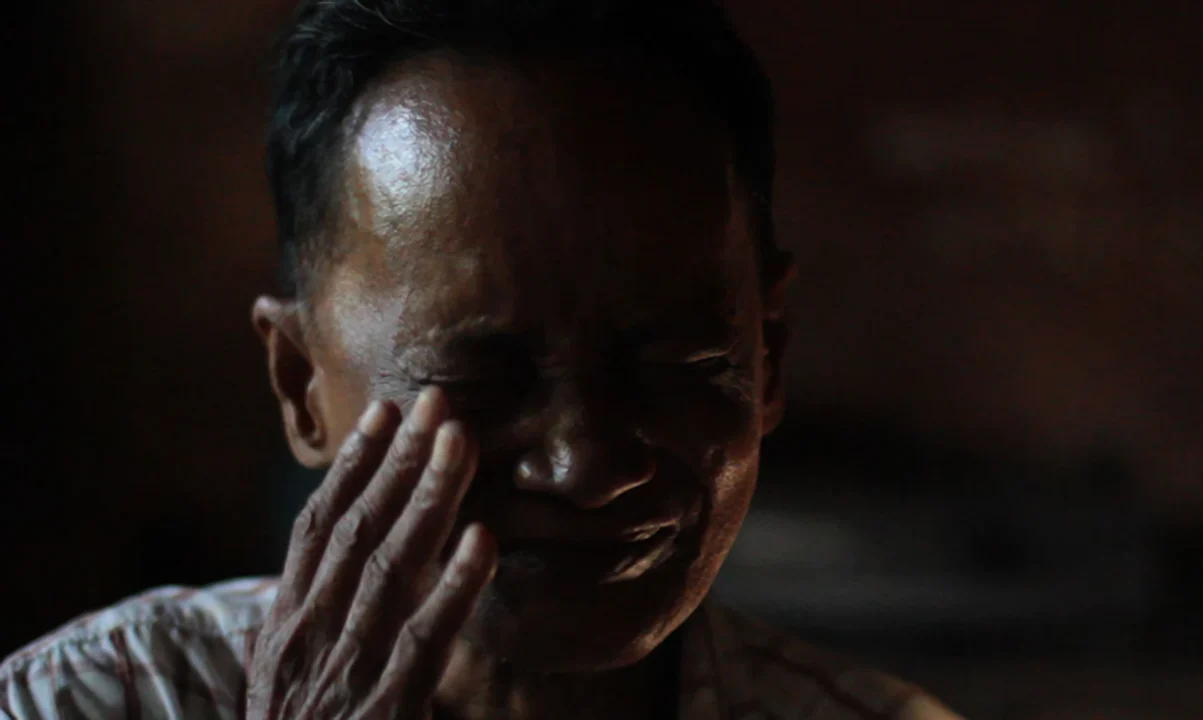
The second film in this section is Sound of Silence, a documentary piece by Burmese filmmaker Thet Oo Maung. This film encourages a Burmese military veteran to recall his experience in the battlefield. One of interesting parts of this film is that Thet Oo Maung method using war footage to trigger a memory of the subject. Then, slowly he drags the war situation to the current condition in Myanmar.
War is Tender Thing is the third film in this menu. Andjani Arumpac, as director as well as narrator of this film, widely open tracks down the history of her family. Honest talks become her path to trace the impact of the long war happened in the southern Philippines.
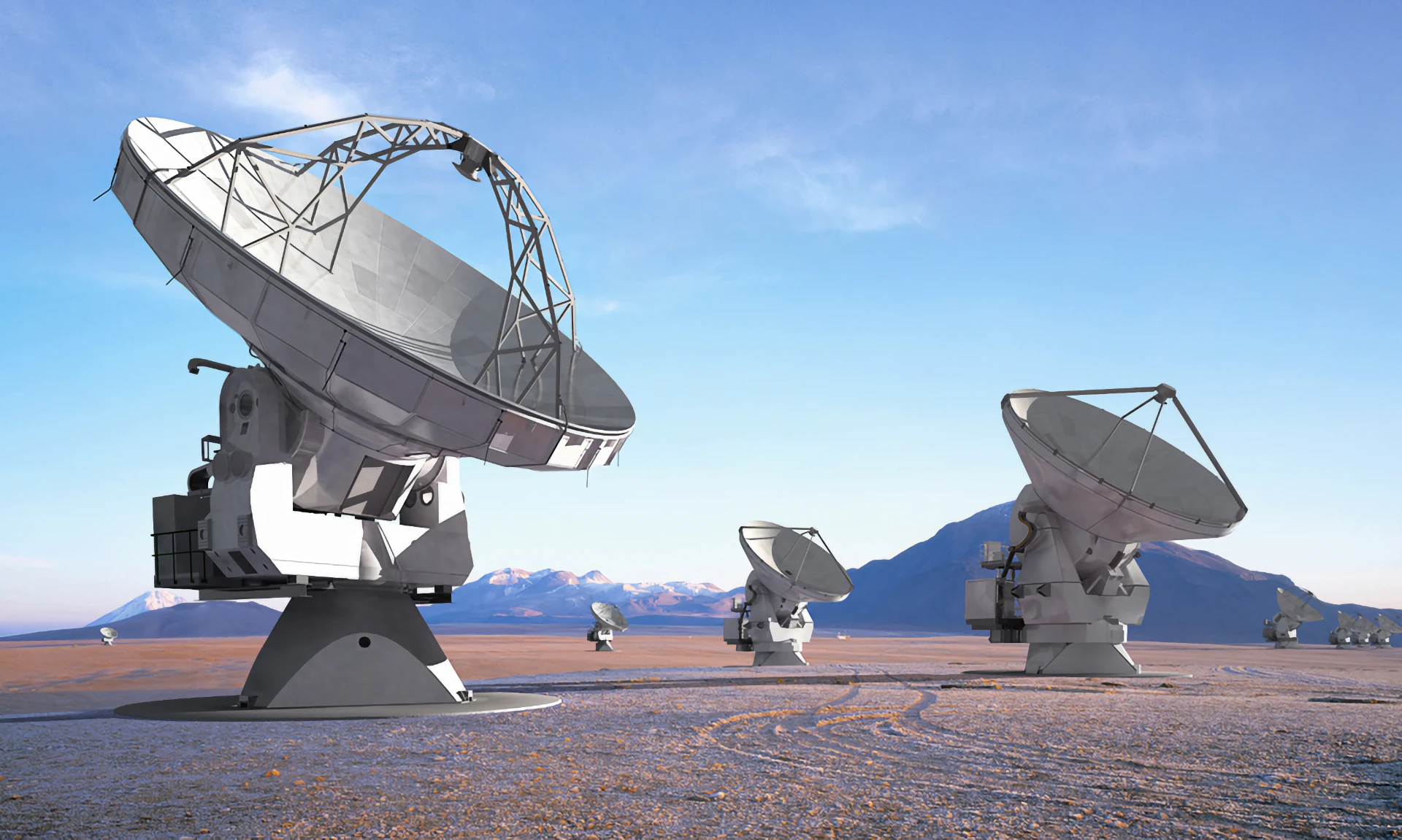
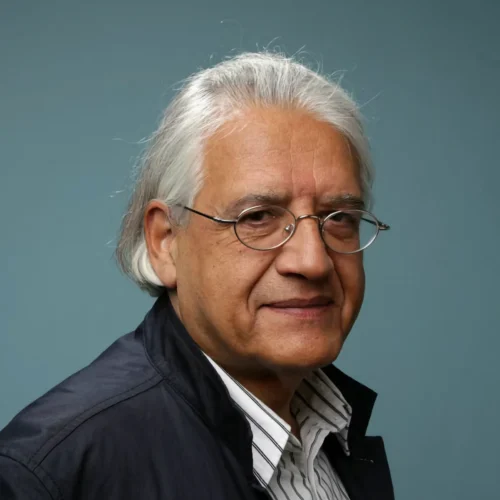
The last film of this session is Nostalgia For The Light, by Patricio Guzman. This film encourages the audience to redefine the concept of time, history, past, and memory. One of the theses of this film is our existence in a firm relation to any chains of complicated cause and effect in the past. Patricio Guzman is a Chilean director who was also an exile in the era of Pinochet government. Nostalgia de la luz poetically tells how human defines the history of the past, from the most ancient through star observation, digging out the remnants of civilization, until a tireless effort of a family of the force elimination victim by the military junta in Chile between 1974-1988. For Indonesian audience, watching Nostalgia for the Light is also as a reflection on the history of violation in this country. In addition to the screening, a paper by Tri L. Astraatmadja, an astronomer in Max-Planck, Germany, will make it thorough as it also could enrich our study on the history of Chile and the world of astronomy.
— Ayu Diah Cempaka
Programmer
[i] Cited from Gaines, 1992 via Fauzanafi, 2012