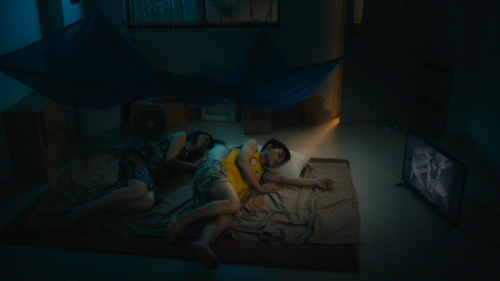
When we think of witch hunts, we usually think of the Salem witch trials or even the witch hunts from 14th to the 18th century Europe. Truth be told, it happened all over the world: the Middle East, Sub-Saharan Africa, China, and a lot of other regions—even somewhere as close and local as Eastern Java, which happened in the late 90s. Looking at several cases of witch hunts, it’s easy to dismiss it with the development of modern thought. Its tropes are even subverted in popular media, which gives “witches” a different outlook; now through a more nuanced lens.
“Witches” are now in the process of reclamation, slowly stripped away from its stereotypical simplification. Looking at Suzzanna’s Ratu Ilmu Hitam (Lilik Sudjio, 1981) retrospectively, for example, gives the witch a room for agency in her own narrative. Or a more recent example is Wicked (Jon M. Chu, 2024), which centres two very different witches in its story to make a point for feminist intersectionality—reflecting on real life struggles, such as identity, inclusivity, and gendered expectations. With witchiness standing amidst the progress of reclamation from its misogynistic lens, there’s no way witch hunts are still happening in our contemporary age of science and reason, right?
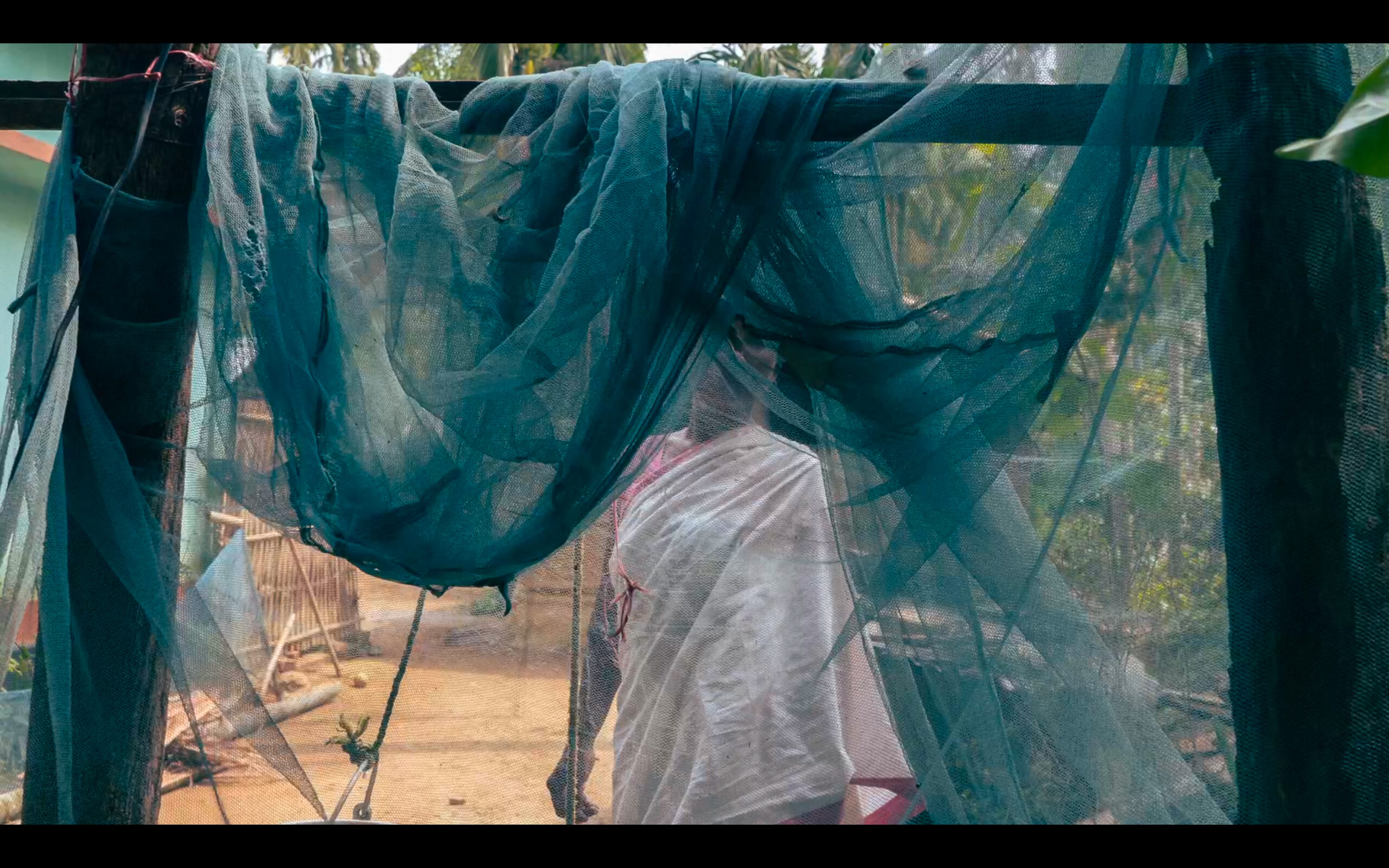
Witch hunting and branding is still practiced in India, predominantly in the states of Assam, Jharkhand, Chhattisgarh, and many others. Murders with witchcraft as a motive in India have amassed more than three thousand deaths since the 2000s.
The Flow of Resilience (2024) is a cinematic embroidery of personal archives—a found diary, old photos, and verbal accounts told by the victims—to meditate on the memories and lived experiences of the accused witches from the Northeast of India. As if rummaging through an archive of collective trauma, this short documentary seeks to find the missing pieces that are systemically being erased from history. Ultimately, it unveils a reality that is far removed from current modern narratives, that branding someone as a “witch” is still used to suppress, erase, and destroy both the lives and lived experiences of women under a systemic patriarchal society.
Witch hunting and branding is still prevalent because it is a very effective way to silence the marginalized and customarily weak. Many of these (accused) witches are healers, widows, and even elderly women that are deemed as a threat to the patriarchal standards of subservient women. The accused witches, most of all, do not comply with the cis-hetero norms. Even the simple reason of living in independence and autonomy could lead to an accusation. Real life accounts of witch hunts (told by the victims themselves or even their kin) remain hidden and sparse because of the fear of stigmatization that might lead to something as severe as an unjustified death punishment. Retelling a story of one’s experience being branded and hunted as a witch would only make their lives more precarious—for sharing it would only make them tell on themselves.

Is it fair to reclaim “witch” symbolisms when witch hunts still exist, then? It’s not necessarily unfair to reclaim the term. Although, what is important is for us to acknowledge and understand the uneven realities that exist in the now. Reclaiming the “witch” as identity and “witchcraft” as indigenous praxis from its harmful stigma imposed by colonial powers as a symbolism for intersectional progress can be fair if the reclamation is conscious, relational, and rooted in solidarity rather than abstraction; as seen from the appropriation of the “witch” identity by white feminism, and other harmful examples.
As The Flow of Resilience sheds light into these violent happenings in regions with little to no international media coverage, let’s make sure that the accused witches’ stories remain in resilience—written boldly in history and not lost with the proliferation of scant symbolism in popular media. Otherwise, it risks repeating a colonial move—of turning factual suffering and erasure of cultural practices into mere metaphors. (Timmie) (Ed. Vanis)
Film Details
The Flow of Resilience (Boi Thaka)
Pranami Koch | 14 min | 2024 | India
Official Selection for Spektrum
Festival Film Dokumenter 2025