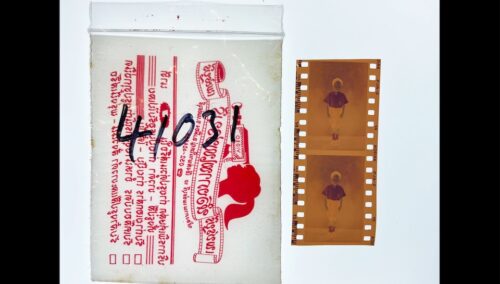
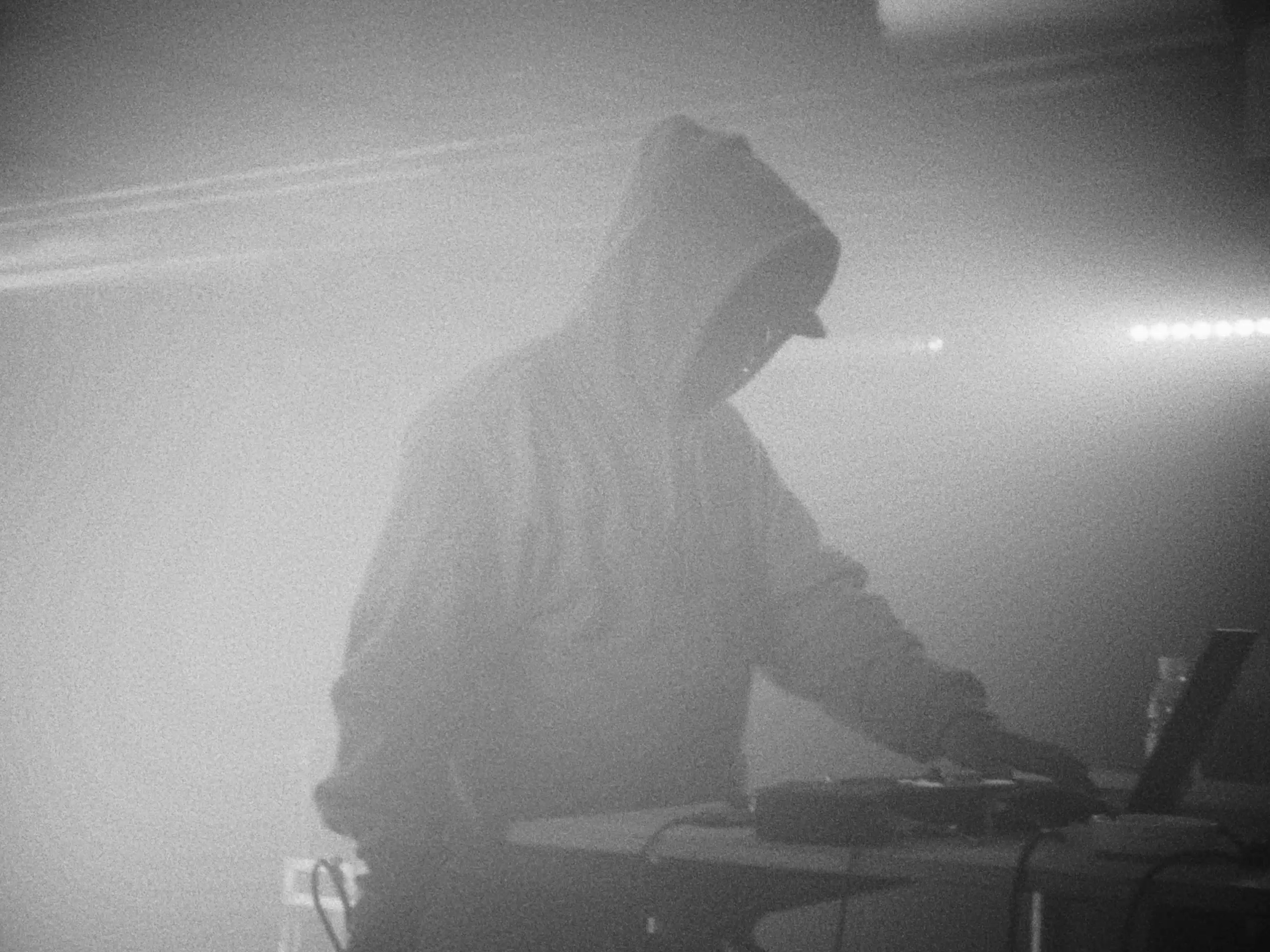
Alongside the roaring flow of the murky Ciliwung River, The Key to the Past (Hafiz Rancajale, 2025) unveils Jakarta, a city that keeps fixing its body but never heals. Manggarai Water Gate appears as a memory portal, storing sediments of colonialism and independence that settled on the riverbed. Since Batavia was established in the Ciliwung estuary and canals were built following this river artery, the body of water is transformed into a machine of control, of floods, of logistics, and, not to be forgotten, of power. When channels turned into giant sewers in the 18th century, cholera, dysentery, and death began to rise. We learn that modernization can also mean sterilizing what is alive and reviving what is rotten.

The documentary does not stop at infrastructure archaeology. He also asked a legitimate and fierce question: who is actually an “alien”? The narrator repeatedly accuses the “alien” of being the mastermind behind the murky and lifeless waters of the Ciliwung River.
“…foreign materials, together with other foreign materials, forming foreign layers, discovered in a foreign place, because of foreign machines, crafted by foreign hands.”
In local cosmology, water was once sacred and became a purifying medium. Sacredness is not merely about purity, but also connection and responsibility toward the living space, and when sacredness is being exclusive, in terms of access, what remains are only fences and warning signs. Ciliwung stands as a reflection of where chaos meets the cosmos, the rubbish and history, and those above the water and beneath the water.

For 10 minutes, two teenagers, who are the narrators in this documentary, invite us to read the city through garbage, fragments of memories, and whispers of change—not as passive victims, but as the ones who can shift the narrative. The colonial footprints are not only left in stones and floodgates, but they also swim through our way of seeing the river: blaming the “alien” while ignoring our role in destroying and reproducing the present. Rancajale reminds us: the key to the future is not doubling today—or even going back to yesterday. If water was once sacred as a relation, then we now need to restore that relation—opening the “door” not only to drain the flood, but to drain the collective responsibility of the city and its rivers. (Hesty N. Tyas) (Ed. Vanis/Trans. Shafira Rahmasari)
Film Details
The Key to the Past
Hafiz Rancajale | 10 min | 2025 | Indonesia
In Competition for Short Documentary
Festival Film Dokumenter 2025