“I loved you like Icarus loved the sun—too close, and too much.” You have probably seen that quote on the internet, floating between love poems and sad girl edits. Perishable Idol (Majid Al-Remaihi, 2024) feels like it belongs to that quote, too. Not about a person this time, but a place that once held love too tightly, until even the walls began to ache for it.
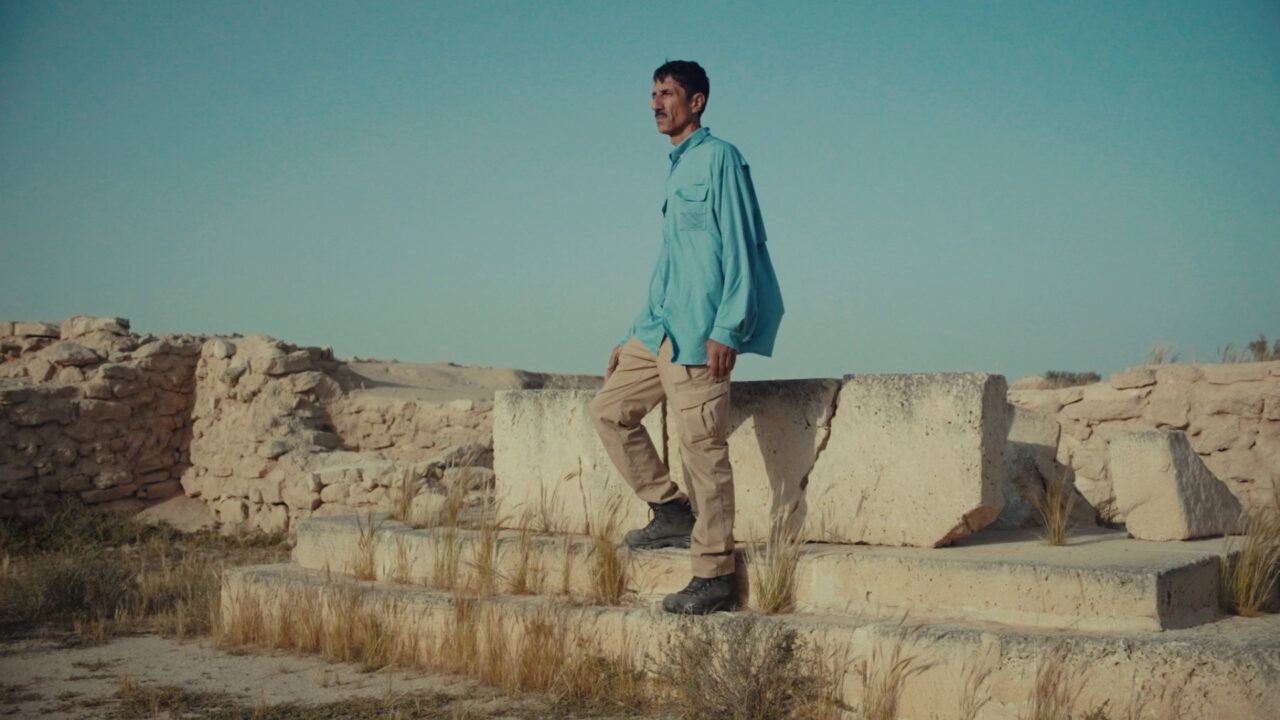
There’s an island, 20 kilometers off the coast of Kuwait City, called Failaka. The Greeks referred to it as Ikarus, evoking the myth of the boy who flew too close to the sun. The Sumerians, before them, called it Agarum. For centuries, it was a crossroads of sailors, merchants, and conquerors. Everyone wanted a piece of it, each leaving their mark, carving their version of beauty into its skin. Maybe that was the beginning of its quiet ruin: loved not for what it was, but for what others wanted it to be. And as the centuries of desire and ambition stacked upon one another, the world finally tore through it in 1991. The Gulf War came, and with it, silence. No footsteps have stirred its soil since. The wind has claimed the voices, and the walls have learned to hold their breath, guarding memories only they can remember.
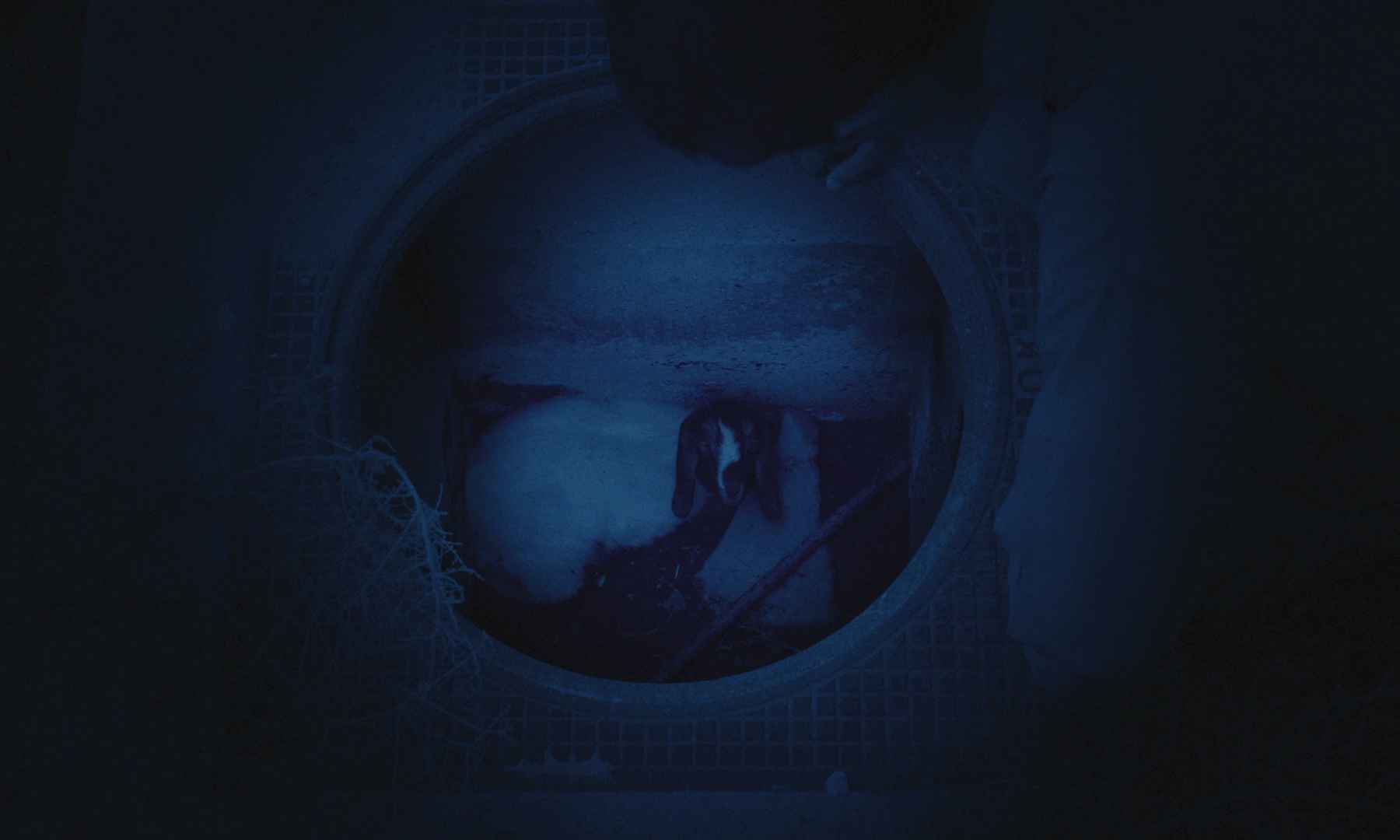
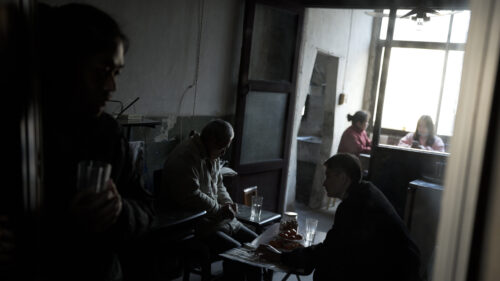
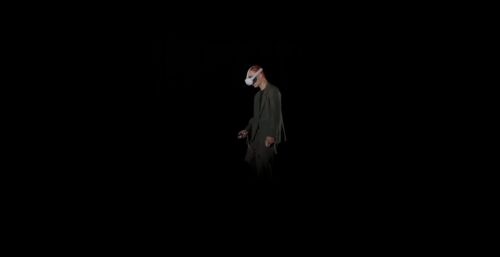
This documentary does not straightforwardly convey the full story. However, it drifts like walking through a dream where the past keeps peeking through cracks in the walls. There are no people, only traces: an empty school, a half-fallen door, a swing that still moves when the wind blows. The camera glides slowly, as if afraid to disturb something sacred. And yet, somehow, the island feels alive. Not as a place, but as a memory that refuses to fade. You can almost sense what it used to be: children running, women hanging laundry in the sun, prayers rising with the evening air. All of it now lives only in echoes. And there, the myth of Icarus lingers: the boy who reached for light, who forgot that wings melt. Failaka, too, feels like a version of him: a land once radiant, desired, and reshaped too many times, until it couldn’t hold itself together anymore.
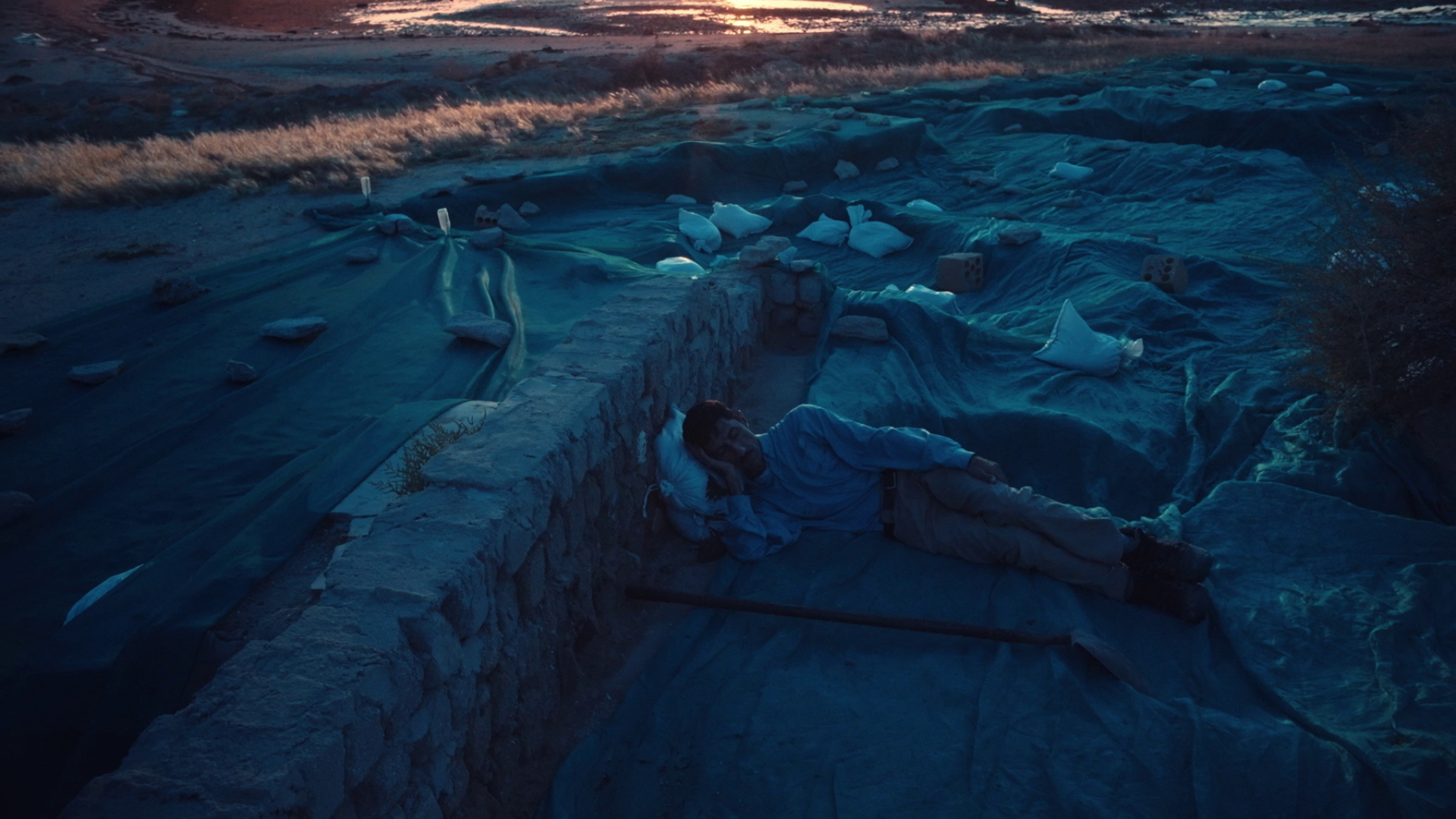
Perishable Idol moves slowly, almost reverently, as if listening to a place that has learned to speak through silence. It somehow understands that ruin isn’t the opposite of beauty, but its afterimage. That sometimes, what we destroy is not what we hate, but what we loved too intensely to let be. Perhaps that’s the kind of love the documentary speaks of: the kind that doesn’t survive forever, but leaves warmth behind. The kind that teaches you how beauty can outlast presence. After all is said and done, when the documentary ends, you don’t remember the facts or the history. You remember a feeling of loving something until it breaks, and still calling it beautiful..
Maybe, just maybe, some things aren’t meant to be preserved, only remembered. And in that remembering, you can almost hear the island whisper back: “I was loved—too close, and too much.” Like Icarus, the island reached too close to the light. Loved too intensely to survive, yet still radiant in memory. (Tirza Kanya) (Ed. Vanis)
Film Details
Perishable Idol (سبات النخيل)
Majid Al-Remaihi | 19 min | 2024 | France, Kuwait, Qatar
In Competition for Short Documentary
Festival Film Dokumenter 2025