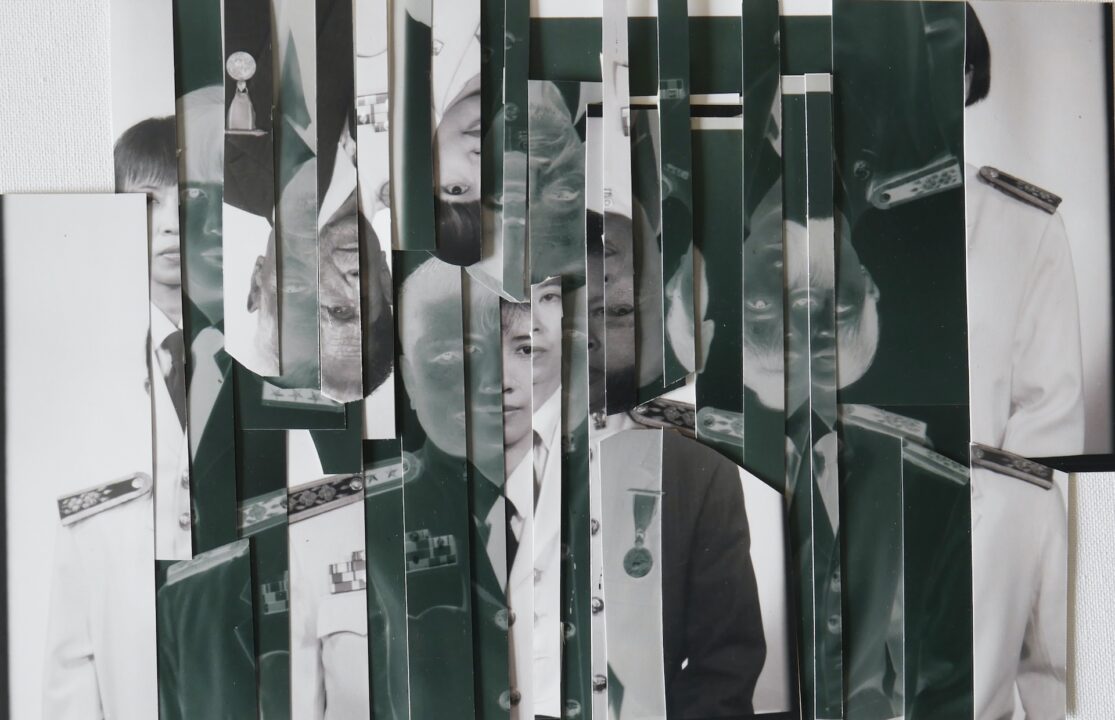
In Southeast Asia, to speak directly and criticise the authorities is to be subject to severe prosecution. To mitigate this, we have learned to speak around a subject, refer to it and shape it, without having to address it directly. Our programme, How to Say Something Without Speaking, brings together films from across the region that examine and propose a variety of methods on how to speak up for yourself and your rights without compromising on your safety.
Developed as part of the Teka-teki Sinema film programming workshop hosted by FFD earlier this year, we are further addressing the position of the witnesses of history. In an age of live-streamed genocide, war, and mindless doom-scrolling, is it still enough to bear witness? In this context, we are particularly drawn to the haptic effects of sound, which demands of the viewer to engage beyond vision and engage films physiologically. By centering haptic sound, we propose a means of engaging with films beyond vision and into a totality of sensorial experience towards re-engagement with our world.