Post-cinema
When cinema is no longer the dominant medium but rather a part of a more complex and digitally connected landscape, it gradually shapes our everyday experiences and common sense. The emergence of various digital media has transformed how films or videos are produced and consumed, creating new aesthetic experiences, and ushering us into an era where technology and culture together generate a new “structure of feeling,” as Steven Shaviro describes in his notion of post-cinema. The rise of artificial intelligence (AI) marks a period that invites prolonged meditation on the moving image itself.
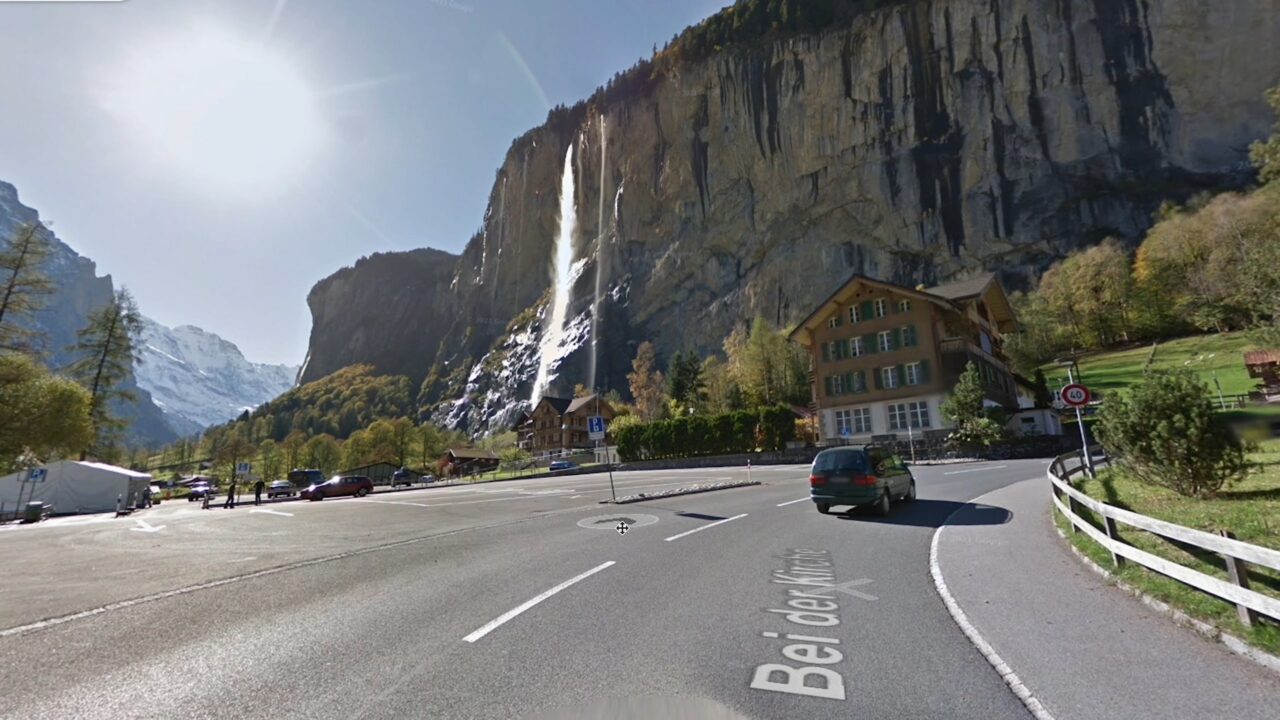
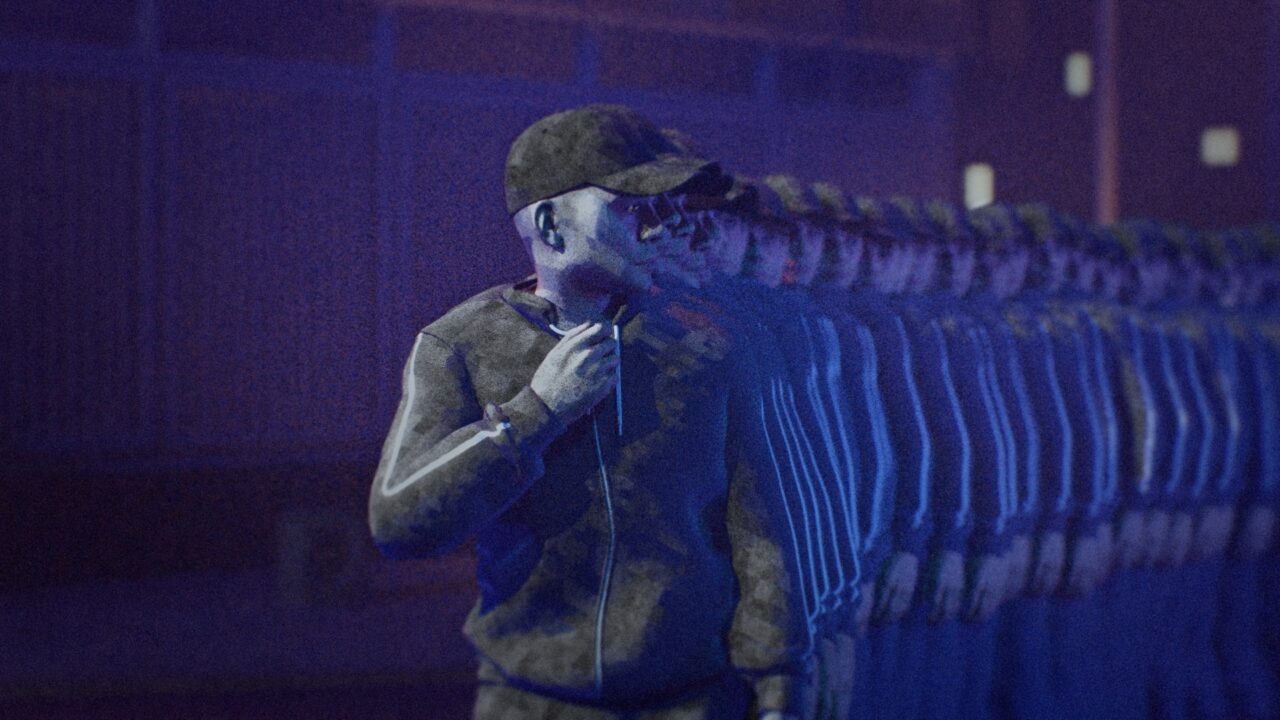
This year’s Perspektif program seeks to open discussions and examine various contemporary media practices as captured by filmmakers. Their Eyes (Nicolas Gourault, 2025) depicts how workers in the Global South train AI technologies by annotating objects in photos or videos. They are the invisible workers behind the technologies that allow self-driving cars to navigate in the Global North. The encounters and journeys within the network, through a satirical montage of images from Google Street View in Machine Vacations (Hadafi Raihan Karim, 2025), shift the behavior of internet users from conventional search engines to certain algorithms that are not easily separated. Closed-circuit television (CCTV), a continuously evolving security feature, captures 15 frames per second, while a bullet fired by the police is recorded for only 67 milliseconds. The CCTV footage in Sixty-seven Milliseconds (Fleuryfontaine, 2025) adds a precise sense of realism without diminishing the film’s investigative elements, blending early cinema techniques of chrono photography with CGI. These three films surpass the conventional concept of production using film cameras, as if inviting us to redefine the documentary form in the post-cinema era.
Four artists explore the use of various kinds of “cameras” in the narrative reconstruction Ep.10 Reality Sandwich: Jogja Chronicles (Ho Bin Kim, 2025), which questions our understanding while examining the very shifts expressed in its story. Elsewhere in the world, The Orchards (Antoine Chapon, 2025) takes us to the memory of a district in Damascus, Syria that is razed to the ground as punishment as their citizens rebel against the ruling regime. In this film, former residents are confronted with a computer displaying a new 3D model of their district, filled with political graffiti as an act of remembering their crusade.
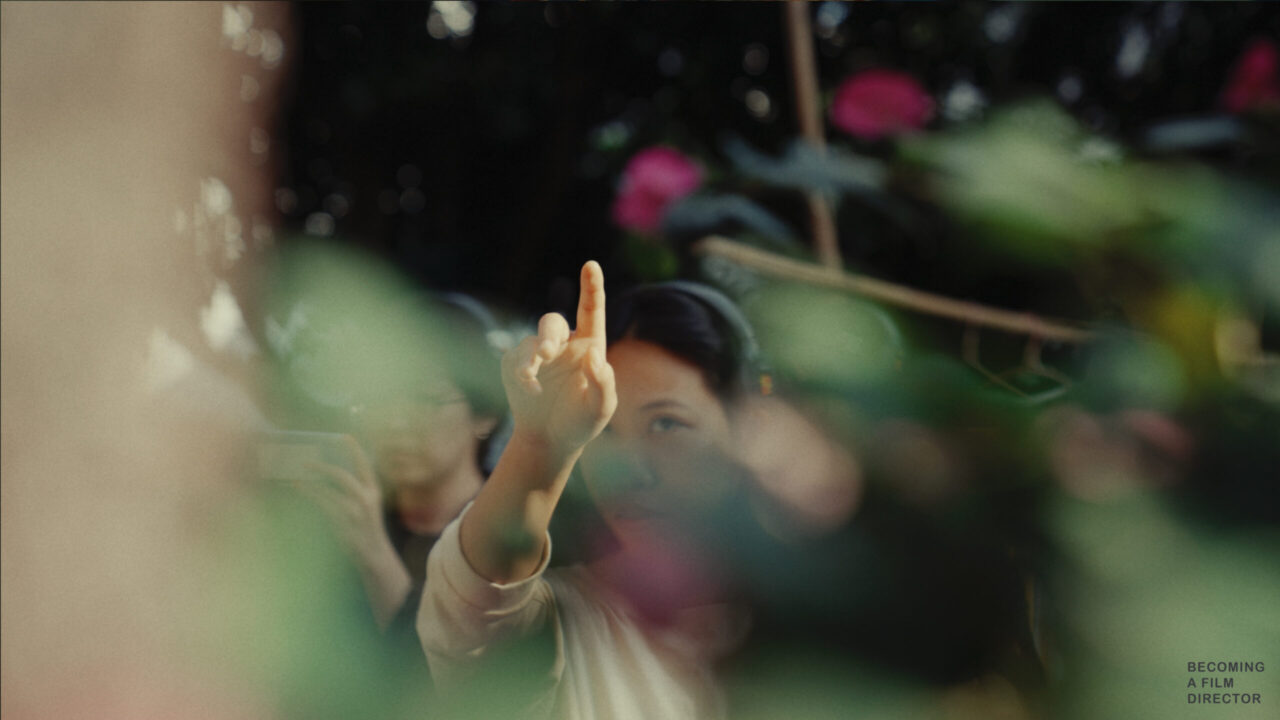
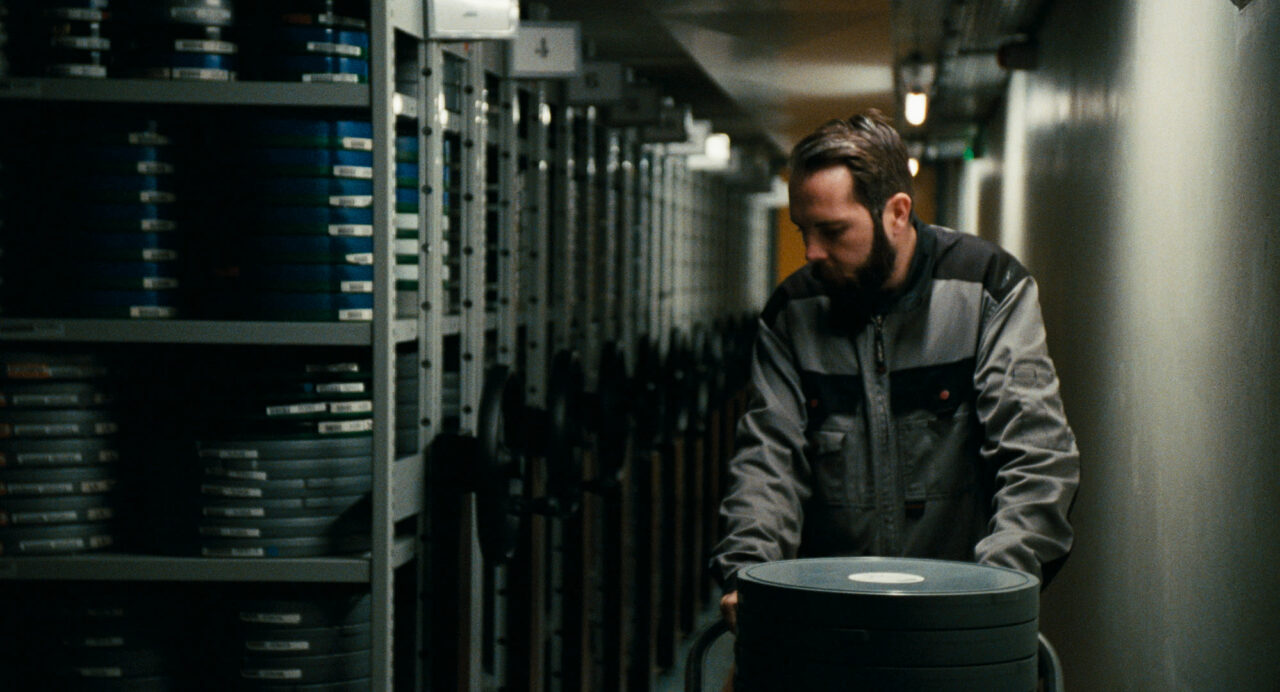
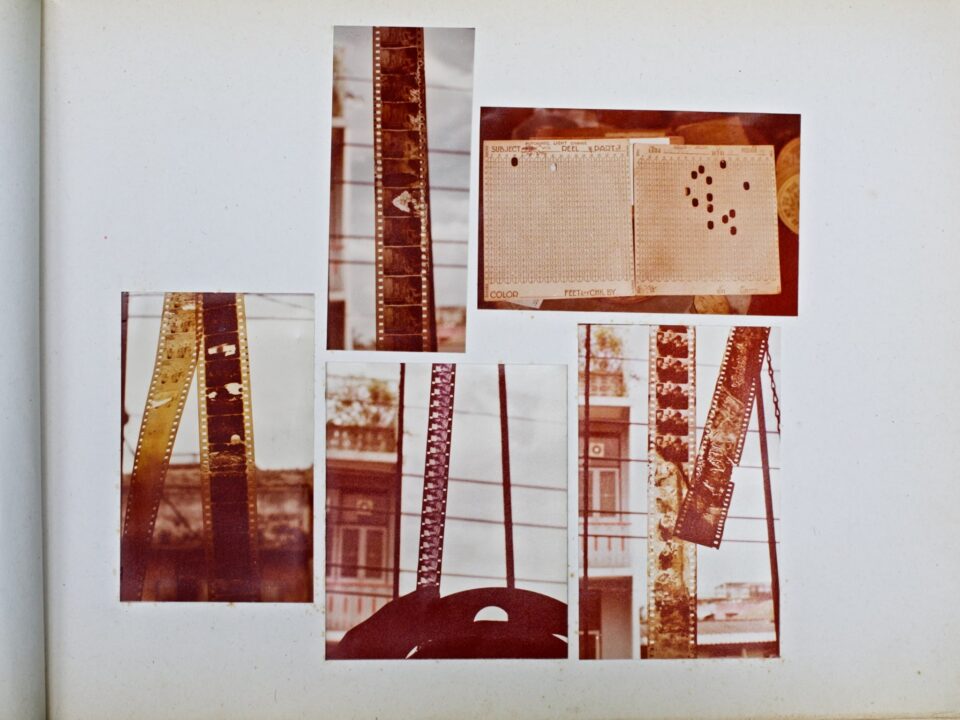
This era of post-cinema does not simply abandon the products and practices of conventional cinema that have persisted for more than a century. This program also aims to offer a compilation of stories that preserve cinema’s continuing breath through conventional trajectories. In recent years, feminism has gained significant attention in China, coinciding with rising awareness among women and their struggles, as portrayed in Becoming a Film Director (Rongfei Guo, 2025), which offers a new perspective and invites reflection on a journey fraught with challenges. Another struggle is presented in Series of Actions (Chanasorn Chaikitiporn, 2024), which traces the origins of film archiving in Thailand, intricately linked to its sociopolitical networks. Through its exploration of Dome Sukvong, the founder of the Thai Film Archive, this film reminds us of the vital role that film archiving and activation play in a nation’s civilization. As if the symphonies of a city in the 1920s, Few More Centuries (Raphaël Martin-Dumazer, 2025) portrays the restoration process of a 35mm film, documenting cinema’s iconic locations across France. This short film reveals clever processes, integrating the technical, whilst also questioning the future of film preservation.
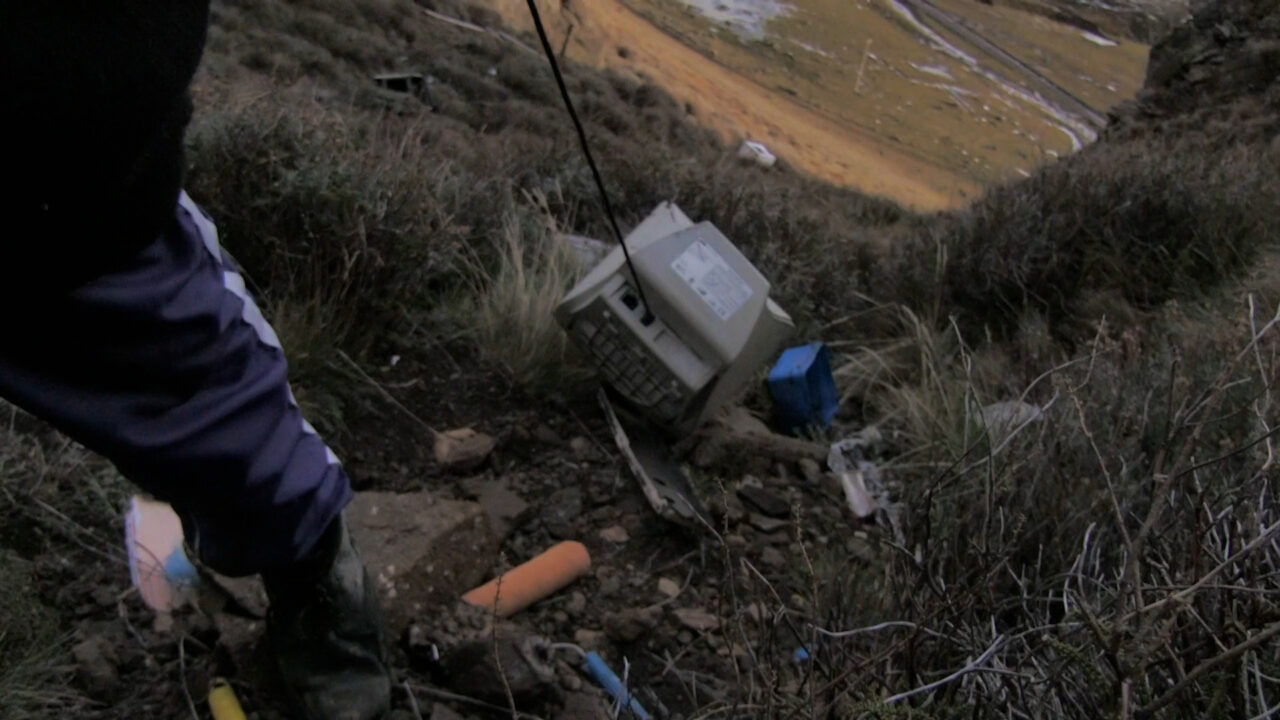
The New Ruins (Manuel Embalse, 2024) takes us on a long reflection on what and how post-cinema manifests not only on the screen, but beyond it; by portraying obsessions which explore the connections between electronic wastes that records image, technology, and memory. Technological advancements inescapably affect the quickening pace of our lives, and this film transforms into a cheerful, musical personal diary that traverses its own boundaries and archival praxis itself. This reading does not aim to overstep our definition of post-cinema as practiced today, nor to abandon conventional cinema, but rather to refer to new modes of production, exhibition, as far as shaping new aesthetic experiences.