In the Darkness, I Hold Memories
Driven by a mutual interest and concern for single narratives of history, this exhibition is a joint effort between Forum Film Dokumenter and Cemeti – Institute for Art and Society. This exhibition features Suvi Wahyudianto and Maharani Mancanegara, two artists who consistently carry out history-based research as part of their creative process. Their approach, which utilizes archives and meticulous documentation, is important for seeing how art intersects with documentary practices as an effort to preserve memories and to speculate on the future.
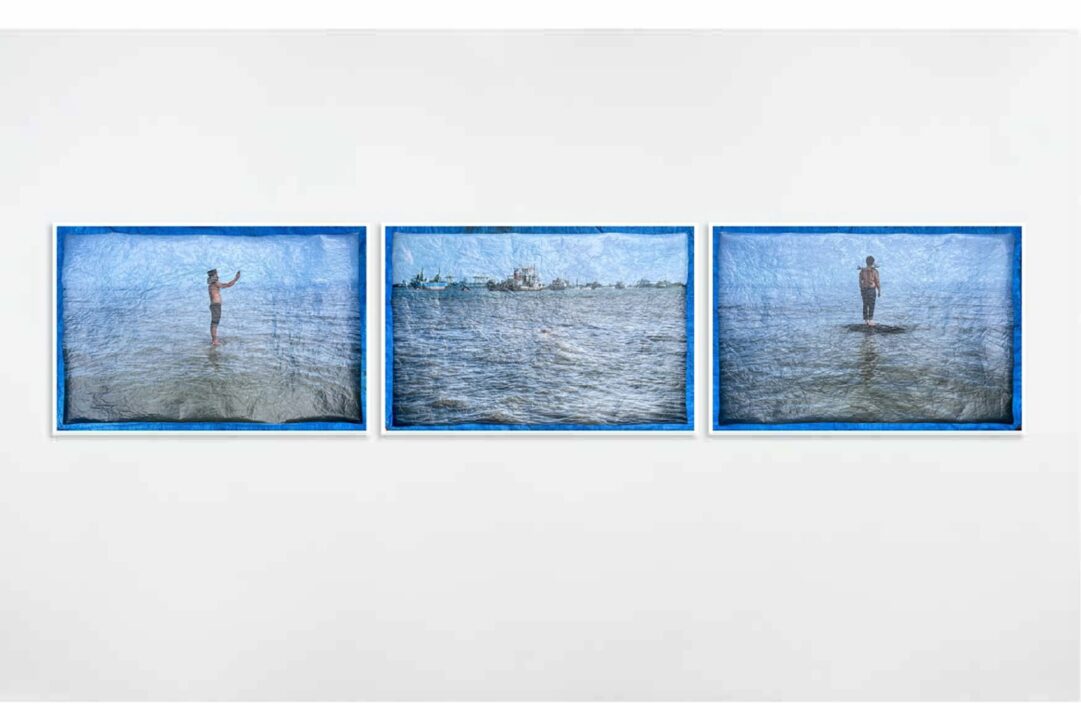
Suvi Wahyudianto is a Madurese artist who frequently researches the history of Madura and its relationship to the riots that occurred during the transition from the New Order to the post- reform era. Since 2023, he has been traveling to trace the history of Madura-Sambas riots. Together with Aloysius, a photographer and videographer from Sambas, West Kalimantan, he traveled to gain a deeper understanding of the violent conflict that occurred in 1999, one year after Indonesia’s reform. This 20-day journey provided them with clarity on narratives they initially did not fully grasp, considering that the events occurred during their childhood. The journey also gave them the opportunity to understand things in a different way: with more intimacy and other readings, both of the history itself and of speculations about future reconciliation.
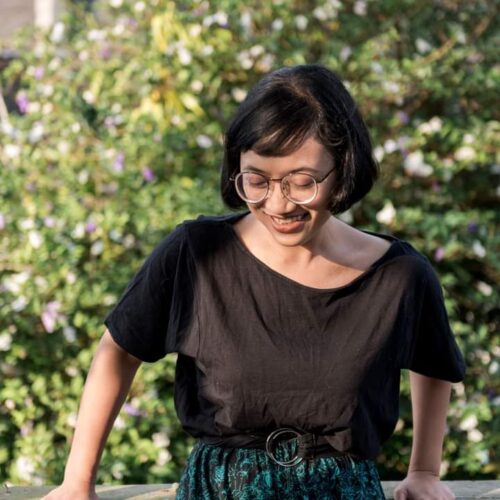
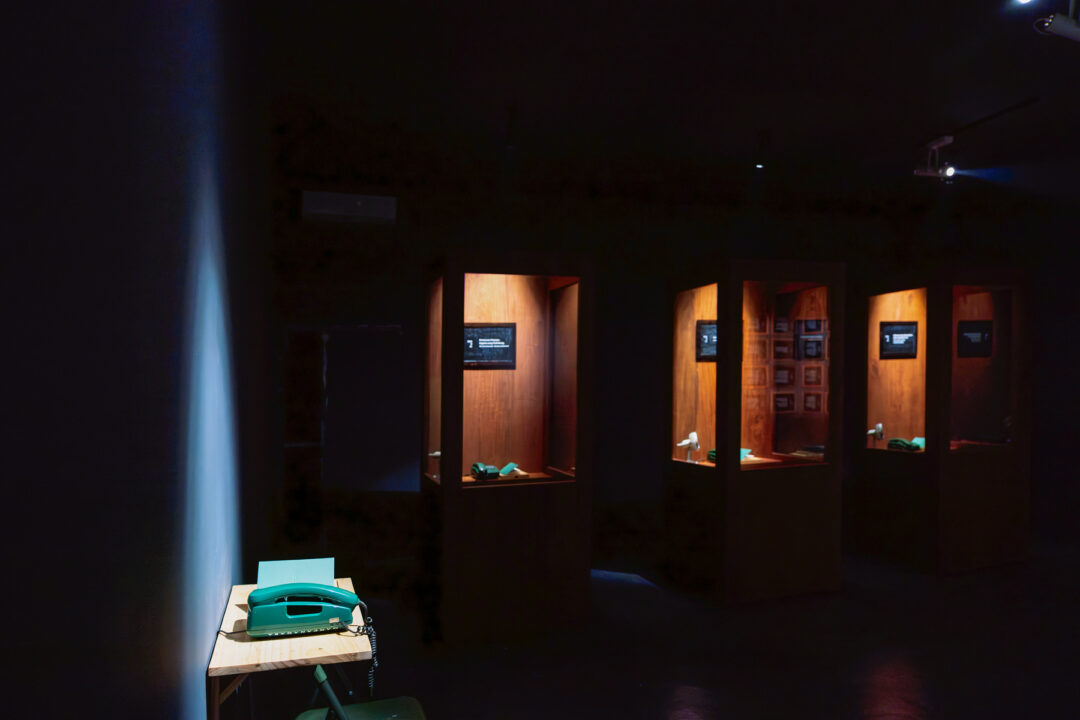
Sharing a similar interest in history, Maharani Mancanagara has spent the last 10 years tracing Indonesia’s history through the footsteps of her grandfather, R. Soegriwo Joedodiwirdjo. Her research began with a personal account of R. Soegriwo Joedodiwirdjo, who worked as a teacher. Through this personal narrative, Rani discovered how the political turmoil in Indonesia in 1965 led to her grandfather being accused of being involved with the Indonesian Communist Party. Maharani used her grandfather’s experience as a victim and political prisoner to delve deeper into the political situation in Indonesia in 1965. She examined her grandfather’s personal diary, which was discovered during her research. This discovery led her to other narratives, where she observed how this violent history is rarely discussed among the public. Her works not only offer a glimpse into Indonesia’s violent history, but also provide an opportunity for anyone to interpret the grand narrative of Indonesian history through personal experiences.
Our interest in art practices intersecting with current social issues has become increasingly prominent in light of various events, both from wars and conflicts abroad and social as well as national political turmoil. History plays an important role in constructing the main narrative that needs to be disseminated—both in a global and local context. History plays an important role in constructing the master narrative that the people in power want to celebrate and remember. By presenting a single narrative, history is used as a tool to seize and perpetuate power. This singular narrative, which is then followed by the banning of other interpretations of history, remains a challenge to this day.
The program presented in the format of this exhibition is part of a long process for us, as institutions together with artists and various interdisciplinary practitioners, to relearn about the relationship between history and violence. This attempt to understand history then becomes an important starting point for us to comprehend the meaning of solidarity in a broader context, especially in a range of struggles against crises and conflicts occurring in various regions both at home and abroad.